When the Internet Gets It Wrong
Scroll through social media long enough and you’ll eventually see it: shocking breaking news about a celebrity. Sometimes it’s true. But other times? It’s completely made up.
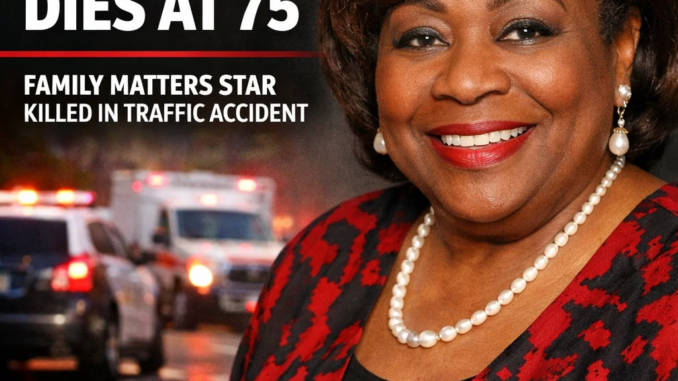
Recently, rumors began circulating online claiming that beloved Family Matters actress Jo Marie Payton had died in a tragic traffic accident. The story spread fast—faster than a wildfire in dry grass. Fans reacted with shock, sadness, and confusion.
But here’s the catch: viral news isn’t always real news.
In this article, we’ll unpack how this rumor started, why celebrity death hoaxes go viral so easily, and how you can spot fake stories before sharing them.
Who Is Jo Marie Payton?
A Beloved Television Icon
Jo Marie Payton is best known for playing Harriette Winslow in the classic sitcom Family Matters. Her character served as the heart of the Winslow household—wise, funny, and always ready with a life lesson.
The show ran through the 1990s and became a cultural phenomenon. Millions of viewers tuned in weekly to watch the Winslow family navigate everyday life, often alongside the unforgettable Steve Urkel.
Payton’s performance helped define the show. She brought warmth and authenticity that made audiences feel like they were part of the family.
A Career That Spans Decades
Beyond Family Matters, Payton has worked across television, voice acting, and film. Her career stretches over several decades, showing remarkable versatility and dedication to her craft.
Fans know her not just for one role—but for the personality and energy she brings to every project.
The Viral Rumor That Shocked Fans
Where the Story Started
The rumor claimed that Jo Marie Payton had died at age 75 in a traffic accident. The headline was dramatic. Emotional. Perfectly crafted to grab attention.
And it worked.
Posts began appearing across social media platforms, blogs, and message boards. Within hours, thousands of people were reacting to the claim.
Some shared condolences. Others posted memories of watching Family Matters growing up.
But there was one problem.
No credible news organization reported the story.
Why the Story Spread So Quickly
Think about how social media works. A shocking headline pops up in your feed. Your emotions kick in before your logic does.
You react. You share. Maybe you comment.
That simple action pushes the post into more feeds—and suddenly thousands of people see it.
The algorithm doesn’t ask if the story is true. It only cares if people engage.
And shocking stories get engagement.
Why Celebrity Death Hoaxes Are So Common
Shock Equals Clicks
Online content thrives on attention. The more shocking a headline is, the more likely people are to click.
Celebrity death rumors check every box:
-
Emotional
-
Urgent
-
Shareable
-
Surprising
For shady websites chasing ad revenue, that formula is gold.
People Trust Headlines Too Easily
Here’s a simple truth: most people read headlines, not full articles.
If the headline says a famous actor died, many readers assume the information must be true—especially if they recognize the celebrity.
But headlines can be misleading, exaggerated, or completely fabricated.
Social Media Amplifies Everything
Social platforms turn small rumors into global stories.
One post becomes ten. Ten becomes a hundred. Before long, the rumor feels real simply because so many people are talking about it.
It’s a digital echo chamber.
How Fake Celebrity News Is Created
Step 1: A Sensational Headline
Fake news creators start with a headline designed to provoke emotion.
Words like:
-
“Shocking”
-
“Breaking”
-
“Tragic”
-
“Sudden death”
These trigger curiosity and urgency.
Step 2: Minimal Verification
Many fake articles include little or no actual reporting. They rely on vague language or recycled details.
Sometimes the story contains no sources at all.
Step 3: Rapid Social Media Distribution
Once published, the article spreads through social media groups, reposts, and automated sharing networks.
Within hours, thousands of users may encounter the rumor.
The Emotional Impact on Fans
Why People Feel Personally Affected
Celebrities often feel like part of our lives. Think about it—many fans grew up watching Family Matters every week.
The Winslow family felt familiar, almost like neighbors you visited through the TV screen.
So when rumors about a beloved actor’s death appear, fans react emotionally.
It’s a natural response.
Confusion and Misinformation
False death reports create unnecessary panic. Fans rush to confirm the news while others unknowingly spread it further.
Eventually the truth surfaces—but by then the rumor may have already reached millions.
How to Spot Fake Celebrity News
Check Trusted News Sources
Major news outlets verify information before publishing. If a celebrity truly passed away, credible media organizations will report it quickly.
If the story appears only on random websites or social posts, be skeptical.
Look for Reliable Sources
A real news article usually cites:
-
Family statements
-
Official representatives
-
Law enforcement or hospital reports
If none of those appear, the story may not be trustworthy.
Watch Out for Emotional Headlines
Sensational headlines often signal low-quality reporting.
Real journalism focuses on facts, not drama.
The Role of Algorithms in Viral Rumors
Engagement Drives Visibility
Social media algorithms prioritize content that sparks reactions—likes, comments, and shares.
Unfortunately, fake news often generates strong emotional responses.
That means the algorithm pushes it even further.
Outrage Travels Faster Than Truth
Psychologically, people respond more strongly to shocking or negative information.
Researchers sometimes describe it like this: lies travel fast because they’re exciting. Truth moves slower because it’s usually calmer.
It’s the difference between a thunderstorm and a gentle breeze.
Why We Should Pause Before Sharing
A Simple Habit Can Stop Misinformation
Before sharing a shocking story, take ten seconds.
Ask yourself:
-
Is the source credible?
-
Has a major outlet confirmed the news?
-
Does the article include real evidence?
That short pause can stop false information from spreading further.
Digital Responsibility Matters
In the age of social media, everyone plays a role in information flow.
We’re not just readers anymore—we’re distributors.
And that responsibility matters more than we realize.
The Lasting Legacy of Classic Sitcom Stars
Why Fans Still Love 90s Television Icons
Shows like Family Matters created characters audiences never forgot.
They represented family, humor, and everyday struggles in a relatable way.
Even decades later, fans still celebrate those moments.
Nostalgia Keeps These Stars Relevant
Streaming platforms and online clips introduce classic shows to new generations.
As a result, actors from those series remain part of the cultural conversation.
That’s one reason rumors about them spread so quickly—people still care.
How Fans Can Support Their Favorite Actors
Celebrate Their Work
Instead of focusing on rumors, fans can celebrate actors by revisiting their performances.
Watching classic episodes or sharing favorite scenes keeps their work alive.
Follow Official Sources
Actors and their representatives often share updates through verified social media accounts.
These channels provide far more reliable information than anonymous blogs.
Conclusion
The internet is powerful. It connects millions of people instantly and spreads information faster than any medium in history.
But that power comes with a downside: misinformation travels just as quickly.
The recent rumor about Jo Marie Payton’s supposed death shows how easily fake stories can gain traction online. A dramatic headline, a few social media posts, and suddenly thousands of fans believe something that was never verified.
The solution isn’t complicated. Pause before sharing. Check trusted sources. And remember that not everything trending online is true.
In the end, responsible readers help create a more trustworthy internet.
Frequently Asked Questions
1. Why do celebrity death hoaxes happen so often?
They generate massive attention and clicks. Websites chasing ad revenue often publish shocking stories because they know people will share them quickly.
2. How can I verify whether a celebrity death report is real?
Check reputable news outlets such as major television networks or well-known newspapers. If none of them report the news, the claim may be false.
3. Why do people believe viral rumors so easily?
Emotional headlines trigger quick reactions. Many people share posts before checking whether the information is accurate.
4. What should I do if I see suspicious celebrity news online?
Avoid sharing it immediately. Look for credible sources and verify the information first.
5. Do false celebrity death rumors harm anyone?
Yes. They can distress fans, damage reputations, and create confusion across the internet.