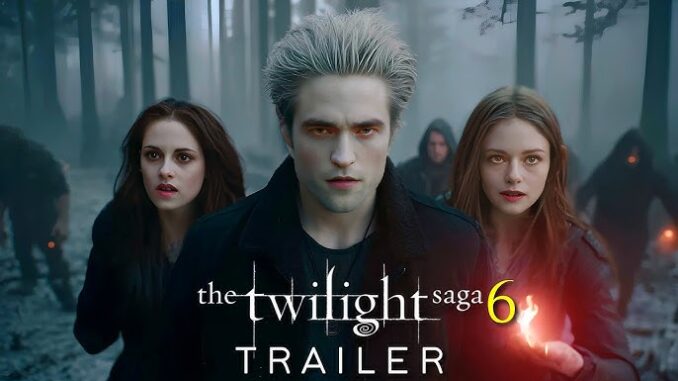
For more than a decade, The Twilight Saga has lived rent-free in the minds of fans worldwide. Love it or criticize it, the franchise carved a permanent place in pop culture with its moody atmosphere, forbidden romance, and supernatural lore. But beyond the love triangles and iconic one-liners, there are tiny, unsettling details hidden throughout the films that still haunt fans — details most viewers never consciously noticed.
Let’s dive deep into the shadows and uncover the subtle elements that make The Twilight Saga far more haunting than it appears on the surface.
1. Bella’s Lifeless Color Palette Is No Accident
From the moment Bella Swan arrives in Forks in Twilight, the world seems drained of warmth. Her wardrobe leans heavily toward muted blues, grays, and earthy browns — and this isn’t just Pacific Northwest realism.
The color grading mirrors Bella’s internal emptiness before she becomes a vampire. While other characters subtly change lighting tones depending on emotional arcs, Bella remains visually “cold” until her transformation in Breaking Dawn – Part 2, where warmer hues finally appear.
Haunting detail: Bella only truly looks alive after she dies.
2. Edward Almost Never Breathes
Fans joke about Edward Cullen being “too perfect,” but few notice how deeply this idea is reinforced visually. Played by Robert Pattinson, Edward barely blinks or breathes in emotionally tense scenes.
Watch closely during moments of intimacy — his chest is often still. This deliberate acting choice reinforces the unsettling truth: Edward is a corpse pretending to be human.
Why it haunts fans: The romance feels tender, yet biologically wrong — and your brain notices even if you don’t.
3. Forks Feels Isolated Because It Is
Forks isn’t just a gloomy town — it’s portrayed as emotionally cut off from the rest of the world. Background extras are minimal, streets often look empty, and even the high school feels eerily quiet.
Director Catherine Hardwicke intentionally framed Forks as a place suspended in time, mirroring the immortal existence of vampires.
Subtle implication: Bella doesn’t fall into Edward’s world — Forks slowly becomes it.
4. Charlie Swan Is the Only True Adult in the Story
Charlie Swan, portrayed by Billy Burke, is often treated as comic relief. But when you look closer, he’s the only character consistently acting rationally.
He questions Edward.
He worries about Bella’s safety.
He senses something is deeply wrong — but respects her autonomy.
Quiet horror: The one character grounded in reality is slowly pushed out of the narrative as supernatural obsession takes over.
5. The Cullen House Is Too Perfect to Be Comfortable
The Cullens’ glass house is stunning, modern, and filled with light — a stark contrast to traditional vampire lore. But look closer.
No family photos.
No signs of aging.
No clutter.
No warmth.
The home feels more like a museum than a living space.
Unsettling truth: Immortality strips life of imperfection — and imperfection is what makes a home human.
6. Bella’s Clumsiness Disappears Before Her Transformation
Fans often joke that Bella is accident-prone. But here’s the eerie part: as her bond with Edward deepens, her clumsiness quietly fades.
She moves more deliberately.
She falls less.
Her body begins adapting before she becomes a vampire.
Hidden foreshadowing: Bella was changing long before the venom touched her veins.
7. The Volturi Rarely Blink — and It’s Terrifying
Introduced in New Moon, the Volturi feel unsettling in ways that go beyond costume design. Actors like Michael Sheen exaggerate stillness, eye contact, and unnatural smiles.
Unlike the Cullens, the Volturi don’t pretend to be human.
Chilling detail: They aren’t monsters because they’re cruel — they’re monsters because they’ve stopped caring.
8. Jacob’s Anger Mirrors Bella’s Emotional Withdrawal
Jacob Black, played by Taylor Lautner, is often criticized for his rage. But his emotional volatility increases in direct proportion to Bella’s emotional shutdown.
As Bella withdraws into Edward’s world, Jacob becomes the physical embodiment of loss, grief, and abandonment.
Psychological horror: The saga frames Bella’s emotional numbness as romance — while punishing the character who reacts like a human.
9. Bella Rarely Laughs After Edward Enters Her Life
This is one of the most haunting details fans notice only on rewatches.
Before Edward, Bella laughs awkwardly, smiles nervously, and engages socially.
After Edward, her expressions narrow.
Her world shrinks.
Uncomfortable realization: Love doesn’t expand Bella’s life — it consumes it.
10. Immortality Is Portrayed as an Escape, Not a Gift
The saga sells immortality as beautiful, eternal love. But pay attention to the Cullens’ behavior.
They repeat high school forever.
They avoid human attachments.
They freeze emotionally.
Only Bella celebrates eternity — because she was already detached from her human life.
Final haunting thought: Immortality isn’t freedom. It’s avoidance.
Why These Details Still Haunt Fans Today
The Twilight Saga endures not because it’s perfect — but because it’s emotionally uncomfortable in ways that feel real. It romanticizes obsession, detachment, and self-erasure while quietly warning us through visual storytelling.
Fans don’t just remember the love triangle.
They remember the feeling — the cold, the stillness, the sense that something isn’t quite right.
And that’s why, years later, these unnoticed details still linger in the dark corners of our minds.
Final Thoughts
Whether you’re a lifelong fan or a curious rewatcher, The Twilight Saga reveals more with age. Beneath the glittering vampires and epic romances lies a psychological story about identity, isolation, and the price of eternal love.
And once you notice these details — you can never unsee them. 🩸🖤