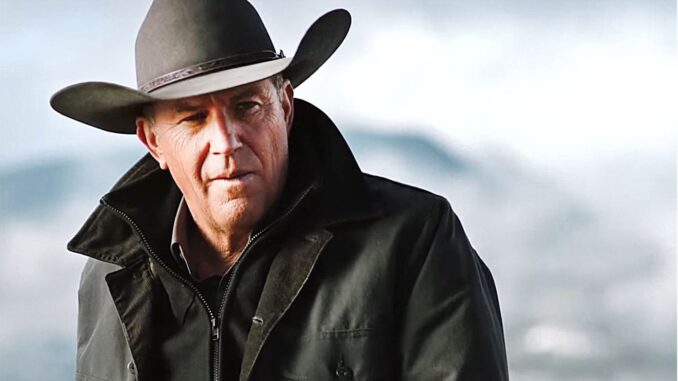
The Wild West Roars Back to Life
Hollywood has never truly left the frontier behind. Yet every so often, a project arrives that doesn’t just revisit the Wild West — it redefines it. That’s exactly what Kevin Costner aims to do with Kevin Costner’s The West, a sweeping historical series that dives deep into the myths, legends, and realities of America’s most romanticized era.
This isn’t another dusty cowboy drama. It’s history with grit. Storytelling with teeth. And a reminder that the frontier wasn’t just adventure — it was transformation.
Let’s saddle up.
Why Kevin Costner Keeps Returning to the West
If you’ve followed Costner’s career, you know the pattern. He gravitates toward landscapes where human ambition collides with nature and morality.
A Lifelong Western Storyteller
From Dances with Wolves to modern television hits, Costner understands the emotional pull of the frontier. The West represents freedom, risk, reinvention — themes that never go out of style.
The Yellowstone Effect
His role in Yellowstone reignited global fascination with ranch life, legacy, and land wars. Audiences didn’t just watch — they felt the dust, the pressure, the stakes.
Now he’s taking that fascination and grounding it in history.
What Kevin Costner’s The West Is Really About
At its core, the series explores the people who shaped the American frontier — not just the heroes, but the complicated figures history often simplifies.
Beyond Cowboys and Outlaws
Expect layered storytelling:
-
Indigenous resistance and survival
-
Railroad expansion
-
Lawmen and vigilantes
-
Settlers chasing opportunity
-
Women reshaping frontier society
The show peels back mythology to reveal the messy truth beneath
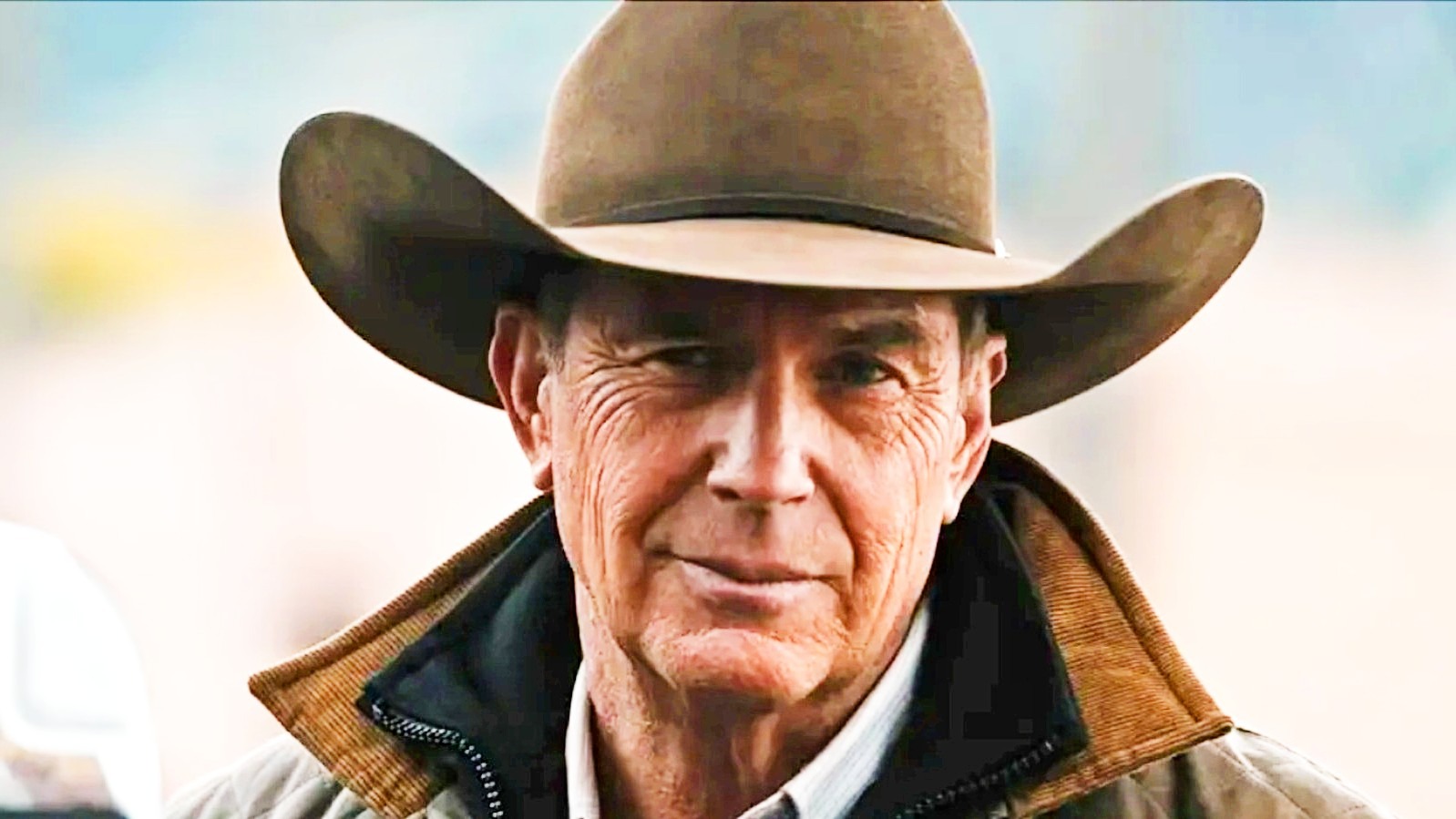
A Docuseries With Cinematic DNA
Unlike traditional history programming, the series blends:
-
Dramatic recreations
-
Expert commentary
-
Archival research
-
Cinematic visuals
It feels like a movie… but teaches like a classroom.
The Role of the History Channel
The project lands on History Channel, a network known for turning complex historical events into accessible storytelling.
A Strategic Partnership
Costner brings star power and narrative instincts. The network brings research infrastructure and a built-in audience hungry for historical epics.
Together, they create something bigger than entertainment — cultural conversation.
Why Audiences Are Obsessed With Western Revivals
Here’s the truth: Westerns never die. They evolve.
The Frontier Mirrors Modern Anxiety
The West deals with timeless questions:
-
Who owns land?
-
What does justice look like?
-
How does progress reshape identity?
Sound familiar? That’s because these questions still dominate headlines.
Nostalgia Meets Reality
People crave simpler worlds — but they also crave truth. Shows like this satisfy both impulses.
Myth vs Reality — The Series’ Biggest Strength
The Wild West mythology is powerful. But mythology alone feels hollow today.
Humanizing Historical Figures
Instead of heroes and villains, the series presents people navigating impossible choices.
Lawmen made compromises. Outlaws had motivations. Settlers carried hope and harm simultaneously.
History becomes personal.
Expanding Whose Stories Get Told
One of the most important shifts in modern Western storytelling is perspective. This series highlights voices often sidelined — Indigenous leaders, immigrants, Black cowboys, frontier women.
The West becomes more complex… and more real.
Cinematic Storytelling Without Fictional Limits
Costner’s signature style shows up everywhere.
Visual Scale
Wide landscapes. Golden sunsets. Harsh winters. The environment isn’t a backdrop — it’s a character.
Emotional Intimacy
Even in massive historical events, the focus stays human. Fear. Hope. Loss. Ambition.
That balance keeps viewers invested.
How The Series Fits Into Kevin Costner’s Legacy
This project feels like a natural evolution.From Fiction to Historical ReflectioEarlier Western projects explored themes through characters. Now Costner explores the real events that inspired those stories.
It’s almost like he’s tracing the roots of his own career.
A Bridge Between Generations
Older viewers recognize familiar stories. Younger audiences encounter them for the first time — but through a modern lens.
That’s powerful.
The Educational Impact
This isn’t just bingeable content. It’s teachable content.
History That Feels Immediate
Instead of dates and names, viewers see cause and effect:
-
Expansion creates conflict
-
Technology accelerates change
-
Individuals reshape systems
History becomes dynamic rather than static.
Sparking Curiosity
The best history shows don’t answer everything. They make you Google at 1 a.m.
This series does exactly that.
Production Quality That Rivals Hollywood Films
One reason people are talking about the show? It looks expensive — because it is.
Authentic Locations and Design
Costumes, weapons, architecture — every detail aims for accuracy without sacrificing cinematic flair.
Modern Filmmaking Techniques
Drone cinematography, immersive sound design, dramatic pacing. It doesn’t feel like traditional documentary television.
It feels epic.
Cultural Relevance in 2026
Why release this now?
Because society is re-examining history everywhere.
Rewriting National Narratives
Audiences want nuance. They want context. They want honesty about how nations were built.
Western history sits at the center of that conversation.
Entertainment as Reflection
Shows like this allow viewers to process modern issues through historical distance. It’s safer — but still impactful.
The Emotional Core — Reinvention
At its heart, the West is about starting over.
Hope and Risk
People moved west chasing possibility. Sometimes they found freedom. Sometimes tragedy.
That emotional gamble resonates today.
Identity on the Frontier
Who you were didn’t always matter. Who you became did.
That idea still drives stories — and people.
Fan Expectations and Early Buzz
The internet response has been immediate.
Western Fans Are Ready
Years of modern Western success built an audience hungry for deeper history.
New Viewers Are Curious
Even people who never watched Westerns are intrigued by the documentary angle.
It expands the genre’s reach.
What Makes This Series Different From Other Western Content
Plenty of shows feature cowboys. Few examine the systems behind them.
Structural Storytelling
Railroads. Politics. Economics. Migration. Violence. Progress.
The West becomes a network of forces, not just individual tales.
Emotional Honesty
The series doesn’t romanticize everything. That honesty builds trust with viewers.
The Future of Western Storytelling
Projects like this signal a shift.
Hybrid Genres Are Rising
Drama + documentary + cinematic spectacle = the new history format.
Complexity Wins
Audiences no longer want simple hero narratives. They want layered truth.
This series leans into that demand.
Why Kevin Costner Remains the Perfect Guide
Some actors play Western characters. Costner feels like he belongs there.
Authentic Presence
His calm narration and gravitas make history feel grounded.
Trust Factor
Viewers believe he respects the material. That credibility matters when tackling national history.
Conclusion: The Frontier Never Really Closed
The American West isn’t just geography — it’s mythology, identity, and ongoing debate. With Kevin Costner’s The West, the frontier rides again, not as nostalgia alone but as exploration.
The series reminds us that history isn’t finished. It echoes forward. Every railroad laid, every boundary drawn, every story told continues shaping the present.
And maybe that’s why we keep returning to the West. Not for escape — but for understanding.