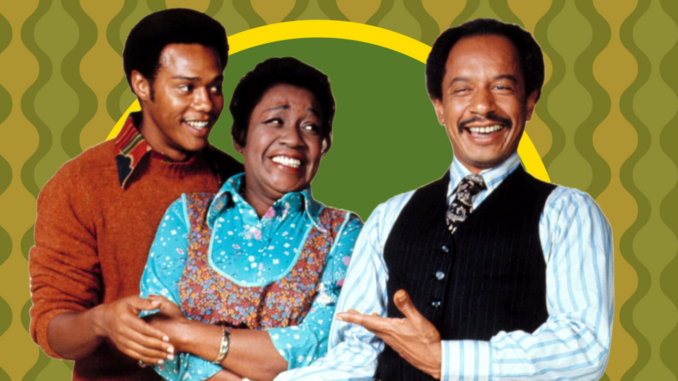
⚡ Then vs Now: When “Comedy” Crossed the Line — George Jefferson and the Controversy We Can’t Ignore
“😳 When a sitcom dared to say what society tried to avoid…”
Back in the era of The Jeffersons, audiences laughed at moments that, today, would likely ignite immediate backlash. At the center of it all stood George Jefferson—a bold, sharp-tongued businessman who didn’t just break stereotypes… he created new controversies.
💥 The peak of tension: “reverse racism” on screen
George Jefferson was famous for his unapologetic attitude toward white characters—especially his neighbor Tom Willis. Their interactions were often filled with biting remarks, sarcasm, and outright hostility.
What made it explosive?
-
George didn’t soften his words
-
He openly mocked and challenged Tom
-
The show turned deeply sensitive racial tension into punchlines
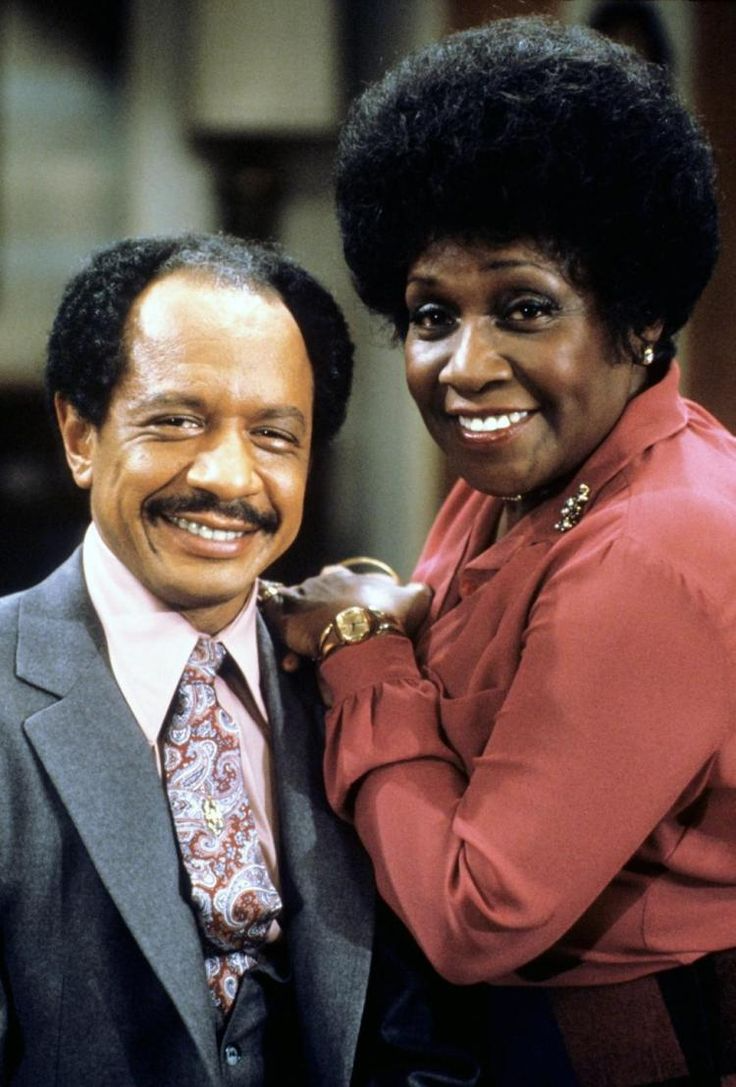
😳 Why this would shock modern audiences
In the 1970s, this dynamic was seen as bold and even groundbreaking—flipping traditional racial power dynamics on their head. It gave voice to frustrations rarely acknowledged on mainstream TV.
But today?
That same behavior could easily be labeled as promoting division rather than dialogue. Modern audiences are more sensitive to how race is portrayed—not just who is speaking. What was once considered “brave satire” might now be criticized as fueling stereotypes or normalizing hostility.
⚖️ Then vs Now — A cultural shift
-
Then: Raw, confrontational humor = honesty
-
Now: Nuance, respect, and context = necessity
The question is no longer just “Is it funny?”
It’s: “What message does it leave behind?”
🚨 Calling it out
Let’s be clear—portraying prejudice, even as satire, walks a dangerous line. George Jefferson’s behavior, while reflective of certain real frustrations, often crossed into territory that today would be openly challenged and criticized.
And maybe that’s the point.
What once sparked laughter now sparks debate.