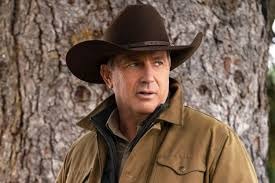
Kevin Costner Says He Wasn’t to Blame for Yellowstone Scheduling Issues: “There Were No Scripts”
Introduction: When a TV Phenomenon Hits Turbulence
Few modern TV shows have dominated pop culture like Yellowstone. It’s gritty, cinematic, and powered by Kevin Costner’s towering performance as John Dutton. But when news broke about scheduling issues, delays, and Costner’s eventual exit, fingers started pointing fast — and many pointed straight at him.
Now, Costner is setting the record straight. And his explanation? Surprisingly simple: there were no scripts.
So what really happened behind the scenes? Was Kevin Costner the problem — or was the problem much bigger than one actor? Let’s dig in.
The Yellowstone Scheduling Controversy Explained
How the Drama Started
Rumors don’t appear out of thin air. Reports suggested that Kevin Costner’s packed schedule — especially his passion project Horizon — clashed with Yellowstone production timelines. Fans and insiders alike began whispering: Did Costner choose movies over the show that made him a TV icon again?
Costner’s Key Claim — “There Were No Scripts”
Costner has been blunt. He says he was ready to work — but there was nothing to work with.
No scripts.
No finalized storylines.
No clear shooting schedule.
In Hollywood terms, that’s like showing up to the airport without a boarding pass and being blamed for missing the flight.
Kevin Costner’s Perspective — Timing Isn’t the Same as Avoidance
The Difference Between Availability and Organization
Costner has emphasized that he made time. What he didn’t have was clarity. Scripts determine everything — from shooting days to actor availability. Without them, scheduling becomes guesswork.
And guesswork doesn’t fly when you’re juggling:
-
A massive TV series
-
A self-financed film saga
-
Dozens of cast and crew commitments
Why Scripts Are the Backbone of Production
Think of scripts as architectural blueprints. You wouldn’t accuse a builder of delaying a house if no plans existed. Costner argues Yellowstone was in that exact situation.
Was Kevin Costner Unfairly Blamed?
The Convenience of a Single Scapegoat
It’s easy to blame the biggest name in the room. Kevin Costner is the face of Yellowstone. So when things went sideways, public perception locked onto him.
But production delays often stem from:
-
Writing bottlenecks
-
Creative disagreements
-
Network decisions
-
Showrunner timelines
Rarely from one actor alone.
Costner’s Track Record Tells a Different Story
This is an actor known for discipline, professionalism, and longevity. From Dances with Wolves to Yellowstone, Costner doesn’t exactly have a reputation for flaking.
That matters.
The Role of Taylor Sheridan and the Writing Process
Sheridan’s Expanding TV Empire
Taylor Sheridan isn’t just running Yellowstone. He’s overseeing an entire universe:
-
1883
-
1923
-
Tulsa King
-
Mayor of Kingstown
-
And more
Creative brilliance has a cost — and sometimes, that cost is time.
When Success Becomes a Bottleneck
Writing multiple high-stakes shows simultaneously is like spinning plates while riding a horse. Something eventually wobbles.
Costner’s claim suggests that wobble landed squarely on Yellowstone Season 5.
Kevin Costner’s Horizon Project — A False Narrative?
Passion Project or Convenient Villain?
Yes, Costner was working on Horizon. And yes, it demanded time. But he’s been clear: Horizon didn’t replace Yellowstone — it filled empty space created by delays.
That distinction changes everything.
Why Multi-Project Actors Aren’t the Exception
In today’s industry, top actors juggle projects constantly. The difference? Most productions coordinate. According to Costner, Yellowstone couldn’t — because it wasn’t ready.
The Fallout — How Fans and Media Reacted
H3: Social Media vs. Reality
Online, narratives spread faster than facts. “Costner quit.” “Costner caused delays.” Headlines thrive on drama.
But nuance rarely goes viral.
Fans Start Re-Evaluating the Story
As Costner spoke out, many fans began reconsidering. The question shifted from What did Costner do? to Why wasn’t the show prepared?
That’s a big pivot.
What This Means for Yellowstone’s Legacy
Can Yellowstone Survive Without John Dutton?
John Dutton isn’t just a character — he’s the spine of the show. Removing him changes the entire emotional architecture.
The controversy makes one thing clear: coordination matters as much as creativity.
A Lesson for Future TV Giants
Yellowstone may become a case study in what happens when ambition outpaces logistics.
Kevin Costner’s Final Word — Calm, Not Combative
No Attacks, No Meltdown
What stands out most? Costner isn’t angry. He’s measured. He’s factual. He’s almost… disappointed.
That tone lends credibility.
“I Showed Up Ready”
Costner’s message is simple: he didn’t walk away. The road just wasn’t built yet.
Industry Insight — Why This Happens More Than You Think
TV Production Isn’t Linear
Unlike films, TV writing often evolves mid-production. That flexibility can be magic — or chaos.
When Stars Become Schedule Anchors
When a show revolves around one actor, delays hit harder. That doesn’t mean the actor caused them.
Conclusion: The Truth Is Rarely One-Sided
Kevin Costner’s explanation doesn’t rewrite Yellowstone history — but it adds missing chapters. His claim that “there were no scripts” reframes the controversy from ego to logistics.
In the end, this wasn’t about a star choosing himself over a show. It was about timing, preparation, and the fragile balance behind TV’s biggest hits.
Sometimes, the drama behind the camera rivals what’s on screen.