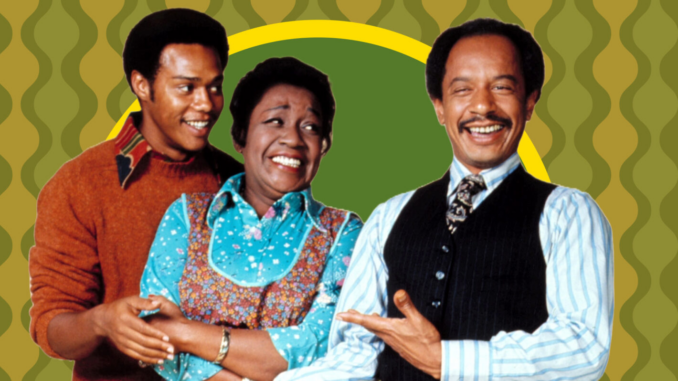
For decades, The Jeffersons has been remembered as a bold, funny, and groundbreaking sitcom about a Black family “moving on up” to a better life. On the surface, it was about success, wealth, and breaking barriers. But beneath the laughter and iconic theme song, the show carried something far heavier — a quiet, persistent pain that most viewers never fully acknowledged.
At the center was George Jefferson, played by Sherman Hemsley, a man who had “made it” financially but could never fully escape the weight of where he came from. His sharp tongue and comedic arrogance masked a deeper insecurity — the fear of not belonging in a world that still judged him. Alongside him, Louise Jefferson, portrayed by Isabel Sanford, became the emotional anchor of the family, often absorbing the tension, the prejudice, and the quiet heartbreak that came with their new status.
What made “The Jeffersons” truly powerful was how it disguised trauma as humor. Racism wasn’t just a topic — it was a constant presence, woven into conversations, conflicts, and everyday interactions. The show didn’t always confront it with dramatic speeches; instead, it let it linger in uncomfortable silences, in awkward exchanges, in moments where laughter felt slightly forced. Success did not erase struggle — it simply changed its shape. The Jeffersons had money, but they were still fighting to be seen, respected, and accepted in a society that wasn’t ready for them. 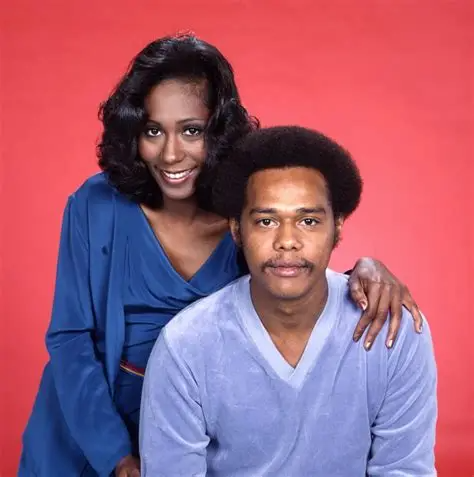
There is a particular kind of sadness in watching characters achieve everything they were supposed to want, only to realize it doesn’t bring peace. That is the hidden tragedy of “The Jeffersons.” Behind the luxury apartment and upward mobility lies a deeper question: what does it cost to “move on up” if the world refuses to move with you? The show never fully answered that question, and perhaps that is why it still resonates. Because the pain it hinted at — the feeling of being out of place even at the top — has never truly gone away.
Decades later, “The Jeffersons” remains more than just a sitcom. It is a reflection of ambition, identity, and the emotional toll of breaking barriers in a world that resists change. And once you see that layer, the laughter never sounds quite the same again.