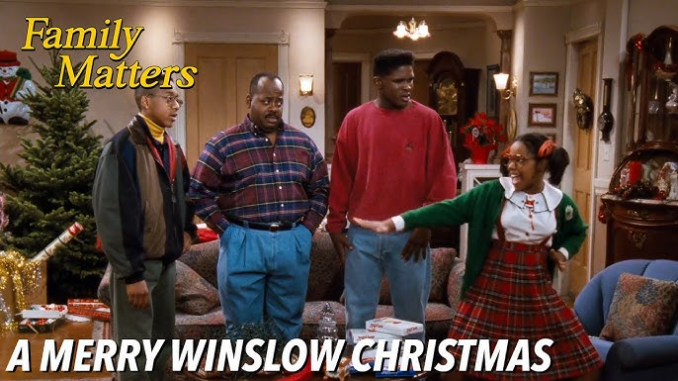
If you grew up in the ’90s, chances are the theme song of Family Matters still lives rent-free in your head. You can probably picture the Winslow house. You definitely remember the suspenders. And yes—you’ve said “Did I do that?” at least once in your life.
But here’s the thing. Even die-hard fans don’t know everything about this iconic sitcom. Behind the laugh track and heartwarming lessons, there’s a treasure chest of surprising trivia.
Let’s open it.
1. The Show Was Originally a Spin-Off
Here’s something that shocks many fans: the show wasn’t meant to stand on its own at first.
Family Matters actually spun off from Perfect Strangers. The character Harriette Winslow appeared as an elevator operator on that show before producers decided her family deserved their own spotlight.
Imagine being a supporting character… and then getting your own series. That’s like being the backup singer who suddenly headlines the tour.
2. Steve Urkel Was Supposed to Be a One-Time Guest
Yes, really.
The character Steve Urkel was originally written as a one-episode nerdy neighbor. That’s it. One and done.
But when Jaleel White delivered that high-pitched voice and those unforgettable suspenders, audiences went wild. Studio crowds laughed so hard that producers knew they had something special.
The lesson? Sometimes the side character steals the entire show.
3. The Catchphrase Wasn’t Planned to Be Iconic
“Did I do that?”
It wasn’t meant to define a generation. It just… happened.
The line became a cultural phenomenon almost overnight. It landed on T-shirts, lunchboxes, and even school hallways across America. That’s the magic of sitcom timing—lightning in a bottle.
4. Carl Winslow Was a Familiar Face Before the Show
Before playing the lovable cop dad, Reginald VelJohnson had already built a reputation as a police officer on screen.
He appeared in Die Hard as Sergeant Al Powell. So when he stepped into Carl Winslow’s shoes, he didn’t have to fake the badge energy—it was practically second nature.
Talk about career consistency.
5. The Show Helped Define ABC’s TGIF Era
Back in the ’90s, Friday nights meant one thing: family sitcom marathons on ABC.
Family Matters became a cornerstone of the legendary TGIF programming block. It wasn’t just a show—it was a ritual. Pizza, couch cushions, and laughter filling the living room.
Streaming is convenient, sure. But nothing beats that collective Friday-night buzz.
6. Harriette Winslow Was Recast in the Final Season
Fans with sharp eyes noticed something in the final stretch.
Harriette Winslow was originally portrayed by Jo Marie Payton. However, during the last season, the role was recast.
It’s one of those behind-the-scenes changes that felt subtle but significant. For long-time viewers, it was like noticing your favorite chair had been moved slightly out of place.
7. Urkel Had an Alter Ego—And Fans Loved Him
Remember Stefan Urquelle?
Same actor. Completely different vibe.
Stefan was smooth, confident, and cool—the polar opposite of Urkel. Watching Jaleel White switch between personas was like seeing a masterclass in comedic acting.
It also proved something powerful: even the nerdiest character had hidden depth.
8. The Show Tackled Serious Issues
Sure, it was funny. But it wasn’t fluff.
Family Matters addressed racism, gun violence, peer pressure, and police ethics. It blended heart and humor in a way that felt authentic, not preachy.
That balance is rare. It’s like sneaking vegetables into a delicious meal—you’re entertained, but you’re also learning.
9. It Ran for Nine Successful Seasons
Nine seasons. Let that sink in.
From 1989 to 1998, the Winslow family became part of millions of households. That kind of longevity doesn’t happen by accident.
It happens because viewers connect. And they did—deeply.
10. The Winslow House Became a Cultural Symbol
Even if you’ve never visited Chicago, you probably recognize the Winslow home exterior.
It became more than just a filming location. It symbolized warmth, safety, and family values.
Sitcom houses have a strange power, don’t they? They feel like places we’ve lived in—even if only through a TV screen.
11. Urkel’s Popularity Shifted the Show’s Focus
Originally, the series centered on the Winslow family dynamic. But as Urkel mania grew, storylines increasingly revolved around his inventions, misadventures, and love for Laura.
Some fans loved it. Others missed the earlier family-centered tone.
It’s a classic TV dilemma: follow the breakout star or stick to the original formula?
12. The Sci-Fi Storylines Were Unexpected
Time travel. Cloning. Space missions.
At times, Family Matters felt more like a science fiction show than a traditional sitcom. Urkel’s wild inventions took the series into completely unexpected territory.
But strangely? It worked.
It added unpredictability. You never knew if the next episode would feature a heartfelt family talk—or a teleportation experiment gone wrong.
13. The Theme Song Still Hits Different
“It’s a rare condition, this day and age…”
That opening theme remains one of the most nostalgic intros in sitcom history. It perfectly captured the show’s core message: family comes first, no matter what.
And honestly? That message never goes out of style.
Why “Family Matters” Still Resonates Today
So why are we still talking about this show decades later?
Because it wasn’t just about laughs.
It was about resilience. Community. Parenting struggles. Teen insecurities. First crushes. Embarrassing mistakes. Second chances.
It showed that families argue. They mess up. They grow.
And somehow, by the end of 22 minutes, everything feels okay again.
That’s comfort television at its finest.
The Cultural Impact of Steve Urkel
Let’s be real. Steve Urkel wasn’t just a character. He was a phenomenon.
He made it okay to be nerdy before nerd culture went mainstream. Long before superheroes dominated box offices, Urkel was proudly intelligent, awkward, and unapologetically himself.
In many ways, he was ahead of his time.
Behind-the-Scenes Chemistry Made It Work
Great sitcoms rely on chemistry. And the cast delivered.
The playful tension. The heartfelt father-daughter moments. The sibling rivalry. None of it felt forced.
It felt lived-in.
That authenticity is what keeps fans rewatching episodes decades later.
How the Show Helped Shape 90s Television
Family Matters wasn’t just part of a trend—it helped define it.
It stood alongside other iconic sitcoms and contributed to a golden era of network television. It proved that shows centered around Black families could dominate ratings and become mainstream cultural staples.
That’s legacy.
The Enduring Power of Nostalgia
Rewatching the series feels like flipping through a photo album.
You remember where you were. Who you watched it with. What life felt like back then.
And suddenly, you’re not just watching a sitcom. You’re reliving a chapter of your own story.
Conclusion: Why Every Fan Should Revisit the Winslows
At its core, Family Matters was about love wrapped in laughter.
It gave us unforgettable characters, timeless lessons, and moments that still spark joy decades later. From Urkel’s chaos to Carl’s booming voice, every element blended into something special.
So whether you’re revisiting old episodes or introducing the show to a new generation, one thing’s certain:
The Winslow door is always open.
FAQs About Family Matters
1. Was Steve Urkel meant to be the main character from the beginning?
No. He was originally intended as a one-time guest character before becoming the breakout star of the series.
2. How many seasons did the show run?
The show aired for nine seasons between 1989 and 1998.
3. Did the show always focus on comedy?
While primarily a sitcom, it often addressed serious social issues alongside humor.
4. Why was Harriette Winslow recast?
The original actress left during the final season, leading to a recast for the remaining episodes.
5. Why is the show still popular today?
Its themes of family, resilience, and humor are timeless, making it relatable even decades later.