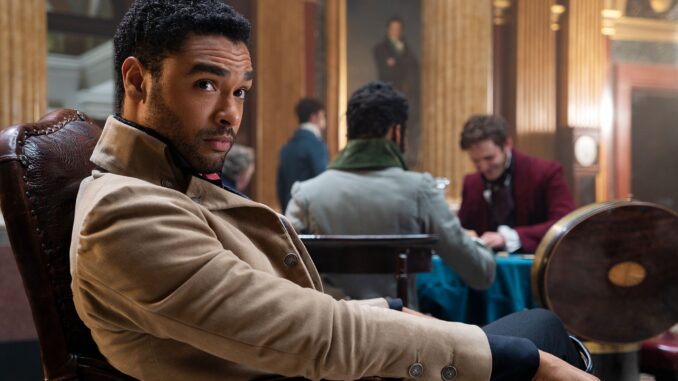
Simon Basset’s story in Netflix’s Bridgerton feels deeper with emotional trauma, showing why his choices hit differently after the book.
If you’ve watched Netflix’s Bridgerton, Simon Basset (Regé-Jean Page) may seem like the perfect brooding hero, handsome, charming, and mysterious. But reading Julia Quinn’s The Duke and I, the first book in the series, gives a deeper understanding of why Simon acts the way he does.
The show simplifies his backstory, but the book shows the full weight of his childhood trauma, his father’s cruelty, and the pressures of elite society. Understanding Simon’s backstory beyond what the show initially presents makes him a far more complex figure than the onscreen version alone suggests.
Bridgerton: Simon Basset Is a Victim of Elite Assimilation
In Quinn’s novel, Simon’s stutter as a child and the emotional trauma caused by his father’s cruel treatment are central to his character development. Due to his stammering, Simon was rejected by his father and was mostly absent while growing up. This isn’t just personal cruelty; it is elite assimilation.
The Hastings family had been granted a position in the royal family by the Queen, and Simon’s speech impediment could cause embarrassment, potentially jeopardizing their status. Another reason for Lord Hastings’ harsh attitude was his desire to protect his legacy at all costs as a Black man living in early 19th century Regency era England.
For example, the book describes how young Simon would avoid speaking because of his father’s ridicule. Every mistake felt like it could cost him love and respect. While the show acknowledges these moments, it streamlines them for a modern audience, emphasizing Simon’s charismatic adult persona.
In the show, Lady Danbury is given a larger role, guiding Simon and supporting him. This makes him more likable and slightly less broken on screen. But the book shows the full impact of his father’s pressure. The Hastings’ legitimacy is conditional and politically symbolic. Simon’s failures may threaten not just inheritance, but the right to belong. Once you accept that premise, Simon’s abandonment issue stops being idiosyncratic.
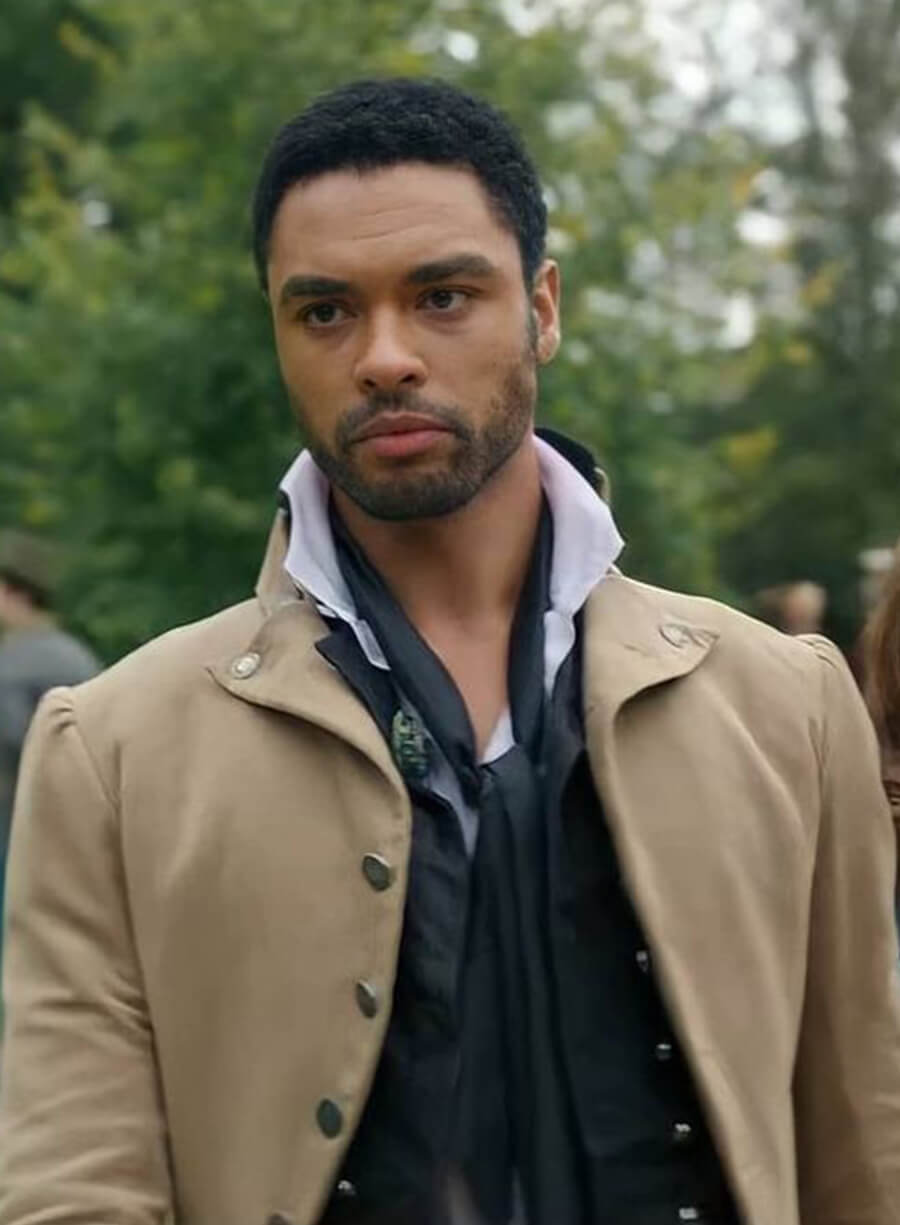
Why Simon’s Vow Is Not Just Self-Sabotage in Bridgerton?
Simon’s vow to end his family line can feel like self-sabotage or brooding drama. In the book, it’s more complicated. It’s a reaction to abuse and abandonment. His father’s rejection left deep scars. The show also hints at racial undertones in Simon’s isolation, which they nod to through casting choices.
In the show, Simon was raised as a Black, under conditional elite acceptance. Playing a Black Duke in a historically white aristocracy adds an extra reason to his fear of belonging. His stutter, his anger, and his distrust of love are tied not only to personal trauma but to navigating a society that subtly excludes him. In the book, Simon was’t specifically Black, but similarly, he was traumatized by paternal scrutiny and rejected inheritance out of spite. While the books don’t make Simon’s race a factor, the series uses it to highlight the weight of elite society and how being different can shape someone’s vows and fears.
Simon’s decision not to have children is treated unfairly, especially when Daphne’s desire for motherhood is portrayed as morally superior. When race is ignored, Simon’s vow looks like stubbornness. When race is acknowledged, the vow reads as an attempt to stop reproducing trauma.
This matters because the show still insists on a happy ending that resolves through childbirth, without fully reckoning with what Simon feared becoming. So next time you binge Bridgerton, consider reading The Duke and I.
Bridgerton Seasons 1-3 are available to stream, and Season 4 Part 1 is premiering on January 29, 2026, and Part 2 on February 26, 2026, on Netflix (US).