Did Anyone Watch the 2003 S.W.A.T. Movie and/or the S.W.A.T. Show From 1975–1976 and Can Tell Me How Different They Are From S.W.A.T. (2017–2025)?
If you’ve ever wondered how the 2017–2025 S.W.A.T. series compares to the 1975 classic or the 2003 action-packed movie, you’re not alone. Fans often jump into the newer S.W.A.T. expecting the same tone, pacing, and feel — only to realize they’ve stepped into a completely new universe.
And honestly? The differences are massive. From tone to characterization to action style, the S.W.A.T. franchise has evolved so dramatically over 50 years that each version feels like a product of its era.
Let’s break down exactly how these three iconic versions compare — and why the 2017 reboot stands apart from both.
Understanding the Three S.W.A.T. Versions
The 1975–1976 Original Series
The Foundation of the Franchise
The original S.W.A.T. show debuted during a time when network TV was experimenting with police dramas and action formats. It was bold for its era — tactical gear, squad cars, and special weapons on primetime TV? That was groundbreaking.
Tone: Clean-Cut, Straightforward, and Episodic
The original was lighter, more procedural, and designed for family TV hours. Episodes wrapped up neatly. The good guys always won. Violence was toned down. Moral dilemmas existed, but softly.
Character Focus
While Hondo was still the leader, the original didn’t dive deeply into personal backstories or emotional arcs. Characters were heroic archetypes rather than layered individuals.
The 2003 S.W.A.T. Movie
A Popcorn-Friendly, High-Octane Action Film
Starring Samuel L. Jackson, Colin Farrell, and LL Cool J, the movie took the S.W.A.T. concept and infused it with early-2000s blockbuster energy.
Tone: Slick, Fast, and Cinematic
Explosions, stylized shootouts, and snappy one-liners dominated. Think: action heroes first, emotional depth later.
Plot Over Character
The focus wasn’t on the emotional lives of the officers — it was on the mission. The storyline? Escorting an international criminal who publicly offers $100 million for his rescue.
S.W.A.T. as a Spectacle
The movie modernized tactical deployment but still operated like a high-octane thrill ride rather than an intimate character drama.
The 2017–2025 S.W.A.T. Series
A Complete Reinvention for Modern TV
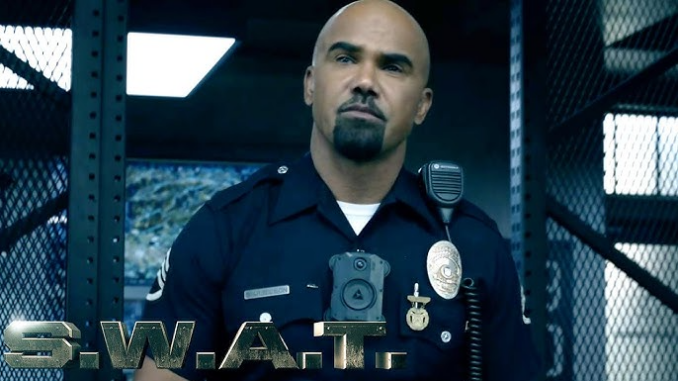
Starring Shemar Moore as Daniel “Hondo” Harrelson, the 2017 reboot evolved S.W.A.T. into something bigger, deeper, and far more socially aware.
Tone: Gritty, Emotional, Realistic, and Grounded
The reboot blends tactical action with character-driven storytelling. It explores:
-
racial tensions
-
police-community relationships
-
personal trauma
-
moral ambiguity
-
squad loyalty
-
modern policing challenges
This isn’t episodic “case of the week” anymore — it’s part action series, part character study.
Storytelling Style: Serialized + Procedural Hybrid
Sure, every episode has a mission, but the heart is in the ongoing stories:
-
Hondo stepping into leadership
-
Street confronting his past
-
Luca dealing with injury
-
Chris navigating identity
-
Deacon balancing family and duty
The reboot digs deep — something neither the original series nor the movie attempted.
Modern Action, Real Tactics
The 2017 version puts heavy emphasis on:
-
realistic tactical maneuvers
-
advanced gear
-
urban crisis response
-
high-pressure negotiation
-
team psychology
It’s more grounded and authentic than the movie but far more intense than the original.
Side-by-Side Comparison: 1975 vs. 2003 vs. 2017
Storytelling
1975–76:
Episodic, clean, straightforward.
2003 Movie:
Plot-driven action spectacle.
2017–2025 Series:
Character-depth + social relevance + intense action.
Character Depth
Original:
Two-dimensional heroes.
Movie:
Action types — cool, tough, efficient.
Reboot:
Complex, flawed, layered characters whose personal arcs matter as much as missions.
Lead Character: Hondo
1975 Hondo:
Authoritative, stoic, and idealized.
2003 Hondo (Samuel L. Jackson):
Mentor figure with swagger and experience.
2017 Hondo (Shemar Moore):
Easily the most developed version — a man caught between community, justice, and identity. His story explores race, leadership struggles, and moral conflicts.
Action Style
1975:
Low tech, light violence, basic tactics.
2003:
Fast, explosive, cinematic.
2017:
Realistic SWAT protocols, urban tactics, grounded combat, emotionally driven missions.
Social Relevance
1975:
Minimal — designed to entertain.
2003:
Mostly action without deep commentary.
2017:
Front-and-center discussions about:
-
racial profiling
-
community policing
-
corruption
-
trauma
-
systemic issues
It speaks to modern audiences.
Pacing
1975:
Slower, episodic, formulaic.
2003:
Adrenaline-packed and fast.
2017:
Balanced — action sequences mixed with deep emotional beats.
Visual & Technical Realism
1975:
Limited by its era.
2003:
Hollywood-stylized realism.
2017:
Consults real law enforcement professionals, uses up-to-date gear, and focuses on authentic SWAT operations.
Why the 2017–2025 Version Stands Apart
A Product of Modern TV Expectations
Audiences expect:
-
long character arcs
-
complex emotions
-
social commentary
-
cinematic visuals
-
realistic action
The reboot delivers all of that.
It Honors the Past — But Doesn’t Copy It
You might catch:
-
nods to the original theme music
-
familiar character names
-
references to classic elements
But the reboot boldly creates its own identity.
It’s More Human Than Action-Driven
Unlike earlier versions, the reboot focuses on how being a SWAT officer shapes lives — not just how officers handle missions.
Is One Version Better Than the Others?
It depends on what you enjoy:
-
Love old-school simplicity? The 1975 series is your jam.
-
Want pure action and entertainment? The 2003 movie is perfect.
-
Prefer emotional depth + realism + weekly missions? The 2017 series wins hands down.
Each version reflects its era — and that’s the beauty of the franchise.
Conclusion
The three versions of S.W.A.T. — the 1975 original, the 2003 blockbuster, and the 2017–2025 reboot — may share a name, a team, and the iconic “Hondo” character, but they are wildly different in tone, storytelling, and purpose.
The original series paved the way.
The movie reimagined the action.
But the reboot redefined S.W.A.T. entirely — modernizing it into a character-rich, socially aware, emotionally driven drama that stands on its own.
Whether you’re nostalgic for the classics or obsessed with the reboot, one thing is clear: each version tells a different story about what it means to be S.W.A.T.
FAQs
1. Is the 2017–2025 S.W.A.T. series a remake of the 1975 show?
Kind of — it borrows the concept and characters but completely reinvents the tone, depth, and storytelling style.
2. Are the 2003 movie characters connected to the 2017 series?
No. They share the S.W.A.T. brand but exist in separate universes with different tones.
3. Why is Hondo so different in the reboot?
Modern TV demands more depth and complexity, so the writers expanded his personal history, struggles, and leadership role.
4. Does the 1975 version feel outdated today?
In pacing and style, yes — but fans of classic TV still enjoy it for nostalgia and its clean, simple storytelling.
5. Which version is the most realistic?
The 2017–2025 series. It uses modern tactics, gear, and real-world issues to create authenticity.