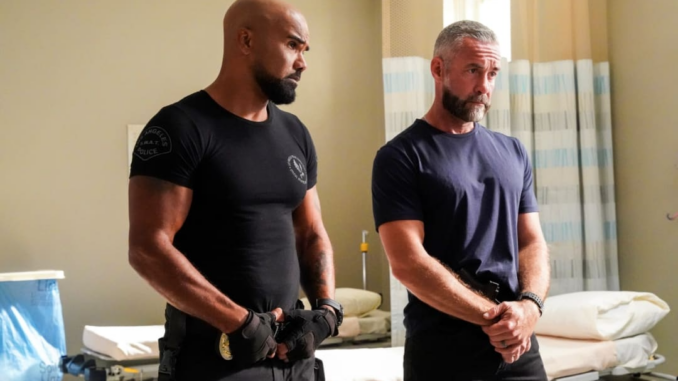
Reaching 150 episodes is no small achievement—especially for a network police drama. That kind of milestone demands more than explosions and fast-paced action. It demands meaning. And according to Jay Harrington, S.W.A.T. knew exactly how to raise the stakes.
Instead of celebrating with a victory lap, the show did something bold: it put Hondo’s life in real danger.
That choice didn’t just shock viewers—it reframed the emotional core of the series. And Harrington, who has been there since day one as Deacon Kay, had a front-row seat to one of the most intense episodes the show has ever delivered.
Why the 150th Episode of S.W.A.T. Had to Be Different
Milestones Need Meaning, Not Just Spectacle
Anyone can mark a number. Not everyone earns it.
The creative team behind S.W.A.T. didn’t want the 150th episode to feel like business as usual. They wanted it to matter—to reflect the risks, sacrifices, and emotional weight that define the series.
Raising the Stakes in the Only Way That Counts
And what’s the fastest way to remind viewers nothing is guaranteed?
You threaten the heart of the team.
Jay Harrington on Why Hondo Was the Right Choice
“Hondo Is the Center of Gravity”
According to Harrington, putting Hondo in danger wasn’t about shock value—it was about emotional truth. Hondo isn’t just the leader. He’s the moral compass, the stabilizer, the guy everyone counts on.
When he’s vulnerable, everyone feels it.
Risk Creates Reflection
Harrington has explained that the episode forced every character to confront what Hondo truly means to them—and what happens if that anchor disappears.
What Makes Hondo’s Jeopardy So Powerful
It’s Not About Action—It’s About Consequence
Sure, S.W.A.T. delivers intense action. But the danger in the 150th episode wasn’t just physical. It was emotional.
The question wasn’t “Will Hondo survive?”
It was “Who are we without him?”
Deacon’s Perspective: Watching a Brother Fall
Jay Harrington’s Emotional Angle
For Harrington, the episode hit close to home. Deacon and Hondo share a bond built on years of trust, loyalty, and unspoken understanding.
Seeing Hondo vulnerable forced Deacon into a rare position—one without control.
When the Leader Needs Saving
Deacon is used to having Hondo’s back. In this episode, that responsibility felt heavier than ever.
Why the Episode Resonated With Fans
Because It Felt Real
The fear wasn’t exaggerated. It was quiet. Focused. Heavy.
Fans responded because they believed it.
Social Media Reaction Exploded
Viewers immediately recognized the episode as something special. Many called it one of the most emotionally intense hours the show has ever produced.
The Symbolism Behind Putting Hondo in Danger
A Reminder That No One Is Untouchable
After 150 episodes, it would be easy to feel safe. This episode shattered that illusion.
Longevity doesn’t equal immunity.
Even Leaders Can Fall
And that truth gave the episode its emotional edge.
Jay Harrington on Trusting the Writers
“You Have to Go All In”
Harrington has spoken about trusting the creative team when they decided to take this risk. The story wasn’t reckless—it was carefully earned.
Big Risks Only Work When Characters Feel Real
Because the characters are so grounded, the danger landed harder.
How the Episode Changed Team Dynamics
Fear Brings Truth to the Surface
When Hondo’s life hung in the balance, every character reacted differently—revealing priorities, fears, and unspoken bonds.
Deacon’s Quiet Strength
Deacon didn’t panic. He focused. That restraint said more than any speech could.
Why This Episode Worked as a Celebration
Honoring the Journey, Not the Number
Instead of fireworks, the show honored 150 episodes by leaning into what it does best: character-driven tension.
A Love Letter to Longtime Viewers
Fans who have watched since Season 1 felt the weight of every moment.
Behind the Scenes: Pressure and Pride
The Cast Felt the Weight of 150 Episodes
Harrington has acknowledged that everyone on set knew this episode mattered. The pressure was real—but so was the pride.
A Team Effort From Start to Finish
From writing to performance, the episode reflected years of trust built behind the scenes.
Why Hondo’s Survival Still Felt Earned
Danger Without Gimmicks
The episode didn’t rely on last-second miracles. Every outcome felt grounded in effort and teamwork.
Survival Through Connection
Hondo’s strength has always come from his people—and that theme rang loud and clear.
How the 150th Episode Reflects S.W.A.T.’s Core Identity
Brotherhood Over Bravado
The show has never been about lone heroes. This episode reinforced that truth.
Strength Is Collective
When one falls, everyone carries the weight.
Jay Harrington on Longevity and Legacy
Why S.W.A.T. Lasted This Long
Harrington credits the show’s longevity to authenticity. The characters evolve. The stories mature.
Still Hungry After 150 Episodes
No complacency. No shortcuts. Just commitment.
Why This Episode Will Be Remembered
It Trusted the Audience
The show didn’t spell everything out. It let emotion do the work.
It Proved the Show Still Has Teeth
Even after 150 episodes, S.W.A.T. can still surprise you.
What This Means for Hondo Moving Forward
Leader
Surviving something like that changes you. And it changes how others see you.
A Team More Aware Than Ever
Nothing is taken for granted anymore.
Conclusion: A Milestone Episode That Earned Its Place
By putting Hondo’s life in jeopardy, S.W.A.T. didn’t just mark its 150th episode—it defined it. Jay Harrington’s insight reveals a show unafraid to take emotional risks, even deep into its run.
Instead of playing it safe, S.W.A.T. reminded us why it still matters: real stakes, real bonds, and stories that respect the audience.
That’s not just good television.
That’s earned television.
FAQs
1. Why was Hondo put in danger in the 150th episode of S.W.A.T.?
To raise emotional stakes and honor the milestone with meaningful storytelling.
2. What did Jay Harrington say about the episode?
He emphasized trust in the writers and the importance of showing real consequences.
3. How did Deacon react to Hondo’s jeopardy?
With quiet strength, focus, and emotional restraint.
4. Was the episode meant to shock viewers?
Not shock—ground them in the reality that no one is untouchable.
5. Is this episode considered one of S.W.A.T.’s best?
Many fans and critics view it as one of the show’s most powerful episodes.