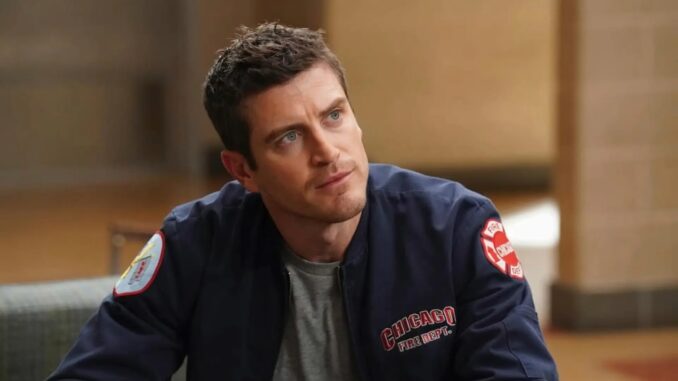
Sam Carver’s return to Chicago Fire isn’t just a character reappearance—it feels like a strategic pivot for the series. Bringing Carver back into the fold signals that the show is ready to dig deeper into unresolved stories, shifting dynamics, and the emotional consequences of choices that once seemed final.
First and foremost, Carver’s comeback reopens the complicated chapter with Violet Mikami. Their unfinished business adds emotional texture at a time when Chicago Fire is recalibrating its core relationships. Instead of introducing brand-new conflicts, the show is mining its own history, allowing past decisions to echo forward. That kind of storytelling often marks a series settling into more character-driven drama rather than spectacle alone.
Carver also arrives at a moment of leadership uncertainty within Firehouse 51. With command under scrutiny and long-standing pillars either gone or in flux, his presence creates narrative flexibility. He’s experienced, capable, and familiar—but not fully integrated. That liminal status makes him an ideal pressure point, someone who can step up when needed or challenge the status quo simply by existing within it.
There’s also a tonal shift implied by his return. Carver has always been a character defined by complexity rather than comfort. He’s not the steady moral anchor, nor the comic relief. He brings edge, ambiguity, and emotional friction—elements that can reinvigorate a show entering a new era. As Chicago Fire evolves beyond its original lineup, characters like Carver help bridge the gap between legacy and reinvention.
From a structural standpoint, his comeback suggests the writers are interested in long-term payoff. Reintroducing a character with unresolved arcs isn’t about quick drama; it’s about sustained tension. Whether Carver seeks redemption, stability, or something entirely different, his journey has room to unfold organically—something the show increasingly seems to value.
Finally, Carver’s return may reflect a broader theme emerging this season: second chances. Firehouse 51 is becoming a place where past mistakes aren’t erased, but confronted. That theme resonates not just with Carver, but with the house itself as it adapts to change, loss, and renewal.
In the end, Carver’s comeback feels less like fan service and more like intention. It signals a future where Chicago Fire leans into its history to move forward—using familiar faces to ask new questions. And if handled with patience and honesty, Carver’s presence could help shape the next chapter of Firehouse 51 in meaningful, lasting ways.