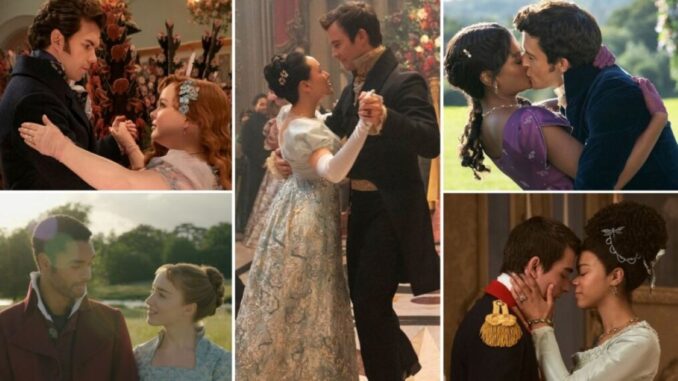
The Bridgerton family may not be real, but they have captured global audiences after the first two seasons of Bridgerton on Netflix in 2020 and 2022. Season 3, with its first four episodes released, has already proven its incredible appeal and received a wave of positive reactions.
In every season, Bridgerton draws viewers in with romantic love stories centered around members of the prestigious Bridgerton family. Beyond that, the show is praised for its visual beauty—every detail, from settings to costumes, radiates the luxurious elegance of British aristocracy.
Returning in Season 3, the hit Netflix series once again treats audiences to a visually stunning wardrobe. Costume designers use fashion not only for aesthetics but also to reflect the psychological growth and character development of each figure—especially the female lead Penelope Featherington, portrayed by Nicola Coughlan.
Penelope Featherington’s Fashion Transformation in Season 3
In previous seasons, Penelope was dressed in the brightest shades of yellow. At first glance, yellow might seem to match her cheerful personality—but in truth, she never liked the colors chosen by her mother.
During the Regency era in England, yellow was commonly worn by young women, emphasizing how much Penelope’s mother valued social status. However, the color also became a flashy symbol of the Featherington family—almost a humorous reminder that they didn’t quite fit into high society. Instead of soft daffodil tones, the bright yellow highlighted their lack of refinement.
In Episode 1 of Season 3, Penelope still appears in her usual vibrant outfits. But after being overshadowed by women pursuing Colin and mocked by her sisters for potentially remaining a spinster, she decides to transform her image.
She tells modiste Genevieve Delacroix (Kathryn Drysdale):
“I do not wish to see any more yellow.”
This marks the beginning of her transformation. At Lady Danbury’s ball (Adjoa Andoh), Penelope appears in a stunning emerald green gown—soft, elegant, and completely different.
Costume designer John Glaser describes this new look as “a choice born from empowerment,” while still reminding audiences of her origins—since green is a blend of yellow and blue. This moment marks a major shift in Penelope’s character.
Her wardrobe throughout Season 3 becomes bolder:
- Shorter, more fitted dresses
- No long trains
- Sheer gloves and sleeves
- Embellishments like crystals and embroidery
All of these elements highlight her maturity and newfound confidence.
Glaser also revealed that Penelope’s look was inspired by classic icons Marilyn Monroe and Rita Hayworth.
Bridgerton and the Iconic Color Blue
Across all three seasons, blue remains the signature color of the Bridgerton family.
It appears not only in their clothing but also in their home décor. Historically, blue was associated with expensive porcelain and luxury items—making it a visual symbol of wealth and status.
Even in Season 3, characters from the Bridgerton family continue to evolve stylistically:
- Eloise Bridgerton wears pastel green gowns with floral embroidery, bows, and soft ruffles, as well as elegant light-toned dresses with subtle embellishments. Her modern-inspired look draws from Audrey Hepburn in My Fair Lady.
- Francesca Bridgerton embraces a softer, more delicate style, using lightweight fabrics that neither hide nor overly reveal her personality. Her layered textures and modest silhouettes reflect her reserved nature, inspired by Katharine Hepburn in the 1940s.
What Do the Costume Designers Say?
Fashion has always been one of the most talked-about aspects of Bridgerton, thanks to its strong investment from the very first season.
However, the creative team does not treat their work as a strict historical lesson. Instead, the series allows them to experiment—blending historical influences with modern design to create something unique.
John Glaser shared:
“This is a show about beauty, allure, and enhancing characters to help tell their story. You cannot force actors into costumes. People talk about fashion, but the show is fantasy. It may influence fashion, but our goal is storytelling and helping actors feel comfortable. That’s why we don’t always follow traditional methods—we take a more abstract approach.”
Fashion in Bridgerton attracts just as much attention as its dramatic storyline and luxurious settings—if not more. But ultimately, comfort for the actors and authentic storytelling remain the top priorities.