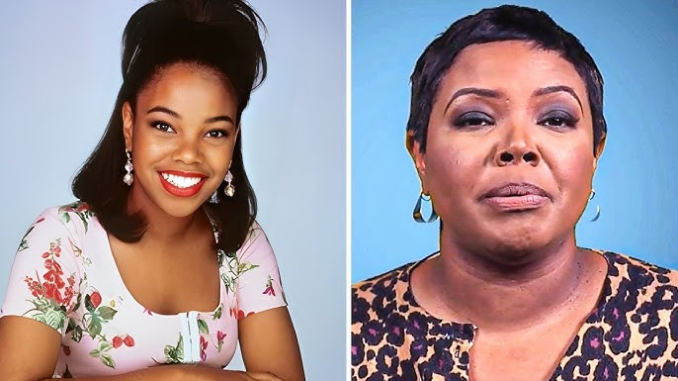
When Fame Isn’t the Fairytale We Imagine
When people hear the word tragedy attached to a beloved sitcom star, curiosity kicks in fast. Kellie Williams, best known for her role as Laura Winslow on Family Matters, grew up in front of millions of viewers. To fans, her life looked polished, joyful, and secure. But real life rarely follows a sitcom script.
The so-called tragedy of Kellie Williams isn’t about scandal, crime, or shocking headlines. It’s far more subtle—and in many ways, far sadder. It’s about pressure, misinterpretation, lost privacy, and the heavy expectations placed on child stars once the cameras stop rolling.
Let’s unpack the truth, separate fact from fiction, and understand why Kellie Williams’ story resonates with so many people today.
The Rise of Kellie Williams on Family Matters
Kellie Shanygne Williams became a household name in the late 1980s and 1990s. Playing Laura Winslow, she embodied intelligence, confidence, and emotional depth.
Unlike many sitcom characters, Laura wasn’t just comic relief. She was a role model. Smart, ambitious, and grounded, she represented a generation of young Black women rarely portrayed with such nuance on television.
Her success came early—and fast.
The Weight of Childhood Stardom
Fame is intoxicating, but for children, it can be suffocating. Kellie Williams entered Hollywood at a young age, working long hours while juggling school, expectations, and public scrutiny.
Imagine growing up while millions of strangers feel entitled to your life. That’s not applause—that’s pressure.
Child stars often struggle with:
-
Identity confusion
-
Loss of privacy
-
Unrealistic expectations
-
Difficulty transitioning into adulthood
Kellie was no exception.
Why Fans Think Kellie Williams’ Story Is “Tragic”
Here’s where things get complicated. Many fans label her story as tragic not because of something terrible she did—but because she didn’t do what Hollywood expected.
She didn’t spiral publicly.
She didn’t chase constant fame.
She didn’t stay in the spotlight nonstop.
And oddly enough, that absence became the narrative.
The Myth of “Disappearing” After Fame
One of the biggest misconceptions is that Kellie Williams vanished after Family Matters. In reality, she didn’t disappear—she stepped back.
She continued acting, appeared in theater productions, earned a college degree, and focused on personal growth. But in an industry addicted to visibility, choosing privacy is often mistaken for failure.
That misunderstanding fuels the sadness people project onto her life.
Hollywood’s Unforgiving Nature Toward Child Actors
Hollywood loves you when you’re young, cute, and profitable. Once that phase passes, the industry often moves on without a second thought.
For child actors like Kellie Williams, the transition can feel like being quietly pushed off a moving train. Roles dry up. Typecasting kicks in. Opportunities shrink.
That systemic cruelty—not personal downfall—is where the real tragedy lies.
Public Expectations vs. Personal Reality
Fans wanted Laura Winslow forever.
But Kellie Williams wanted to be human.
She wanted growth, education, and balance. Unfortunately, audiences sometimes confuse their nostalgia with ownership. When a star doesn’t meet those expectations, disappointment turns into rumor.
That emotional disconnect creates a false narrative of sadness.
The Emotional Toll of Being Forever “Laura”
Being associated with one iconic role is both a blessing and a burden. Kellie Williams gave Laura Winslow depth and soul—but that success followed her everywhere.
Casting directors, audiences, and media often struggled to see her beyond that character. It’s like wearing a name tag you can never take off.
Over time, that erasure of identity can quietly hurt.
Why Silence Is Often Misread as Suffering
Kellie Williams has always been private. She doesn’t overshare. She doesn’t chase tabloids. She doesn’t monetize drama.
In today’s attention economy, silence feels suspicious. But sometimes, silence simply means peace.
The tragedy isn’t her quiet life—it’s how society mistrusts it.
Education and Personal Growth Over Fame
Instead of clinging to celebrity status, Kellie chose education and self-development. She attended college and expanded her skills beyond acting.
That choice takes courage. Walking away from applause is harder than chasing it. Yet many fans see that decision as “sad” because it doesn’t fit the fame-at-all-costs narrative.
How Media Narratives Shape Public Perception
Media outlets thrive on extremes. If someone isn’t constantly winning awards, they must be losing. If they’re not visible, they must be struggling.
Kellie Williams became a victim of that binary thinking. Her normal, grounded life didn’t sell headlines—so it was framed as a mystery or a downfall.
That distortion is deeply unfair.
Comparing Kellie Williams to Other Child Stars
When people compare her journey to other former child stars who faced addiction, legal trouble, or public breakdowns, the contrast becomes striking.
Kellie avoided those pitfalls. She survived the industry with her dignity intact. Ironically, that success doesn’t generate clicks—so it gets ignored.
That invisibility feels tragic to fans who wanted more.
The Quiet Strength Behind Her Choices
There’s a quiet strength in choosing yourself over fame. Kellie Williams modeled resilience, boundaries, and self-respect—values rarely celebrated in celebrity culture.
Her story isn’t loud. It doesn’t scream tragedy. It whispers realism.
And maybe that’s what makes it so sad to some people—it reminds us that growing up means letting go.
Why the Word “Tragedy” Doesn’t Fully Fit
Calling Kellie Williams’ life a tragedy says more about us than about her.
We mourn the loss of nostalgia.
We grieve the end of an era.
We project sadness onto normalcy.
But her life reflects survival, not sorrow.
Lessons We Can Learn from Kellie Williams’ Journey
Her story teaches us that:
-
Fame is not fulfillment
-
Privacy is power
-
Growth doesn’t need an audience
-
Success looks different for everyone
Those lessons are uncomfortable in a world addicted to spectacle.
Reframing the Narrative Around Kellie Williams
Instead of asking, “What went wrong?” maybe we should ask, “What went right?”
She avoided destruction.
She chose education.
She protected her mental health.
She lived on her own terms.
That’s not tragedy. That’s evolution.
Conclusion: The Real Sadness Lies in Misunderstanding
The tragedy of Kellie Williams isn’t her life—it’s how often it’s misunderstood. Her journey reflects the quiet cost of growing up famous and choosing a different path when the spotlight fades.
Sometimes the saddest stories aren’t about loss. They’re about letting go—and learning to be okay with it.
FAQs
Is Kellie Williams alive and well?
Yes. Kellie Williams is alive and has lived a largely private, grounded life away from constant media attention.
Why do people think her story is tragic?
Because she stepped away from fame, many fans assume something went wrong—when in reality, she chose a different path.
Did Kellie Williams quit acting completely?
No. She continued acting in theater and television while also focusing on education and personal growth.
Was Kellie Williams unhappy
When Fame Isn’t the Fairytale We Imagine
When people hear the word tragedy attached to a beloved sitcom star, curiosity kicks in fast. Kellie Williams, best known for her role as Laura Winslow on Family Matters, grew up in front of millions of viewers. To fans, her life looked polished, joyful, and secure. But real life rarely follows a sitcom script.
The so-called tragedy of Kellie Williams isn’t about scandal, crime, or shocking headlines. It’s far more subtle—and in many ways, far sadder. It’s about pressure, misinterpretation, lost privacy, and the heavy expectations placed on child stars once the cameras stop rolling.
Let’s unpack the truth, separate fact from fiction, and understand why Kellie Williams’ story resonates with so many people today.
The Rise of Kellie Williams on Family Matters
Kellie Shanygne Williams became a household name in the late 1980s and 1990s. Playing Laura Winslow, she embodied intelligence, confidence, and emotional depth.
Unlike many sitcom characters, Laura wasn’t just comic relief. She was a role model. Smart, ambitious, and grounded, she represented a generation of young Black women rarely portrayed with such nuance on television.
Her success came early—and fast.
The Weight of Childhood Stardom
Fame is intoxicating, but for children, it can be suffocating. Kellie Williams entered Hollywood at a young age, working long hours while juggling school, expectations, and public scrutiny.
Imagine growing up while millions of strangers feel entitled to your life. That’s not applause—that’s pressure.
Child stars often struggle with:
-
Identity confusion
-
Loss of privacy
-
Unrealistic expectations
-
Difficulty transitioning into adulthood
Kellie was no exception.
Why Fans Think Kellie Williams’ Story Is “Tragic”
Here’s where things get complicated. Many fans label her story as tragic not because of something terrible she did—but because she didn’t do what Hollywood expected.
She didn’t spiral publicly.
She didn’t chase constant fame.
She didn’t stay in the spotlight nonstop.
And oddly enough, that absence became the narrative.
The Myth of “Disappearing” After Fame
One of the biggest misconceptions is that Kellie Williams vanished after Family Matters. In reality, she didn’t disappear—she stepped back.
She continued acting, appeared in theater productions, earned a college degree, and focused on personal growth. But in an industry addicted to visibility, choosing privacy is often mistaken for failure.
That misunderstanding fuels the sadness people project onto her life.
Hollywood’s Unforgiving Nature Toward Child Actors
Hollywood loves you when you’re young, cute, and profitable. Once that phase passes, the industry often moves on without a second thought.
For child actors like Kellie Williams, the transition can feel like being quietly pushed off a moving train. Roles dry up. Typecasting kicks in. Opportunities shrink.
That systemic cruelty—not personal downfall—is where the real tragedy lies.
Public Expectations vs. Personal Reality
Fans wanted Laura Winslow forever.
But Kellie Williams wanted to be human.
She wanted growth, education, and balance. Unfortunately, audiences sometimes confuse their nostalgia with ownership. When a star doesn’t meet those expectations, disappointment turns into rumor.
That emotional disconnect creates a false narrative of sadness.
The Emotional Toll of Being Forever “Laura”
Being associated with one iconic role is both a blessing and a burden. Kellie Williams gave Laura Winslow depth and soul—but that success followed her everywhere.
Casting directors, audiences, and media often struggled to see her beyond that character. It’s like wearing a name tag you can never take off.
Over time, that erasure of identity can quietly hurt.
Why Silence Is Often Misread as Suffering
Kellie Williams has always been private. She doesn’t overshare. She doesn’t chase tabloids. She doesn’t monetize drama.
In today’s attention economy, silence feels suspicious. But sometimes, silence simply means peace.
The tragedy isn’t her quiet life—it’s how society mistrusts it.
Education and Personal Growth Over Fame
Instead of clinging to celebrity status, Kellie chose education and self-development. She attended college and expanded her skills beyond acting.
That choice takes courage. Walking away from applause is harder than chasing it. Yet many fans see that decision as “sad” because it doesn’t fit the fame-at-all-costs narrative.
How Media Narratives Shape Public Perception
Media outlets thrive on extremes. If someone isn’t constantly winning awards, they must be losing. If they’re not visible, they must be struggling.
Kellie Williams became a victim of that binary thinking. Her normal, grounded life didn’t sell headlines—so it was framed as a mystery or a downfall.
That distortion is deeply unfair.
Comparing Kellie Williams to Other Child Stars
When people compare her journey to other former child stars who faced addiction, legal trouble, or public breakdowns, the contrast becomes striking.
Kellie avoided those pitfalls. She survived the industry with her dignity intact. Ironically, that success doesn’t generate clicks—so it gets ignored.
That invisibility feels tragic to fans who wanted more.
The Quiet Strength Behind Her Choices
There’s a quiet strength in choosing yourself over fame. Kellie Williams modeled resilience, boundaries, and self-respect—values rarely celebrated in celebrity culture.
Her story isn’t loud. It doesn’t scream tragedy. It whispers realism.
And maybe that’s what makes it so sad to some people—it reminds us that growing up means letting go.
Why the Word “Tragedy” Doesn’t Fully Fit
Calling Kellie Williams’ life a tragedy says more about us than about her.
We mourn the loss of nostalgia.
We grieve the end of an era.
We project sadness onto normalcy.
But her life reflects survival, not sorrow.
Lessons We Can Learn from Kellie Williams’ Journey
Her story teaches us that:
-
Fame is not fulfillment
-
Privacy is power
-
Growth doesn’t need an audience
-
Success looks different for everyone
Those lessons are uncomfortable in a world addicted to spectacle.
Reframing the Narrative Around Kellie Williams
Instead of asking, “What went wrong?” maybe we should ask, “What went right?”
She avoided destruction.
She chose education.
She protected her mental health.
She lived on her own terms.
That’s not tragedy. That’s evolution.
Conclusion: The Real Sadness Lies in Misunderstanding
The tragedy of Kellie Williams isn’t her life—it’s how often it’s misunderstood. Her journey reflects the quiet cost of growing up famous and choosing a different path when the spotlight fades.
Sometimes the saddest stories aren’t about loss. They’re about letting go—and learning to be okay with it.
FAQs
Is Kellie Williams alive and well?
Yes. Kellie Williams is alive and has lived a largely private, grounded life away from constant media attention.
Why do people think her story is tragic?
Because she stepped away from fame, many fans assume something went wrong—when in reality, she chose a different path.
Did Kellie Williams quit acting completely?
No. She continued acting in theater and television while also focusing on education and personal growth.
Was Kellie Williams unhappy after Family Matters?
There is no evidence to suggest that. Much of the sadness comes from fan speculation, not facts.
What can we learn from Kellie Williams’ life?
That success doesn’t always mean staying famous—and that choosing peace over pressure is a powerful decision.
after Family Matters?
There is no evidence to suggest that. Much of the sadness comes from fan speculation, not facts.
What can we learn from Kellie Williams’ life?
That success doesn’t always mean staying famous—and that choosing peace over pressure is a powerful decision.