
Kayce Dutton’s Ending in Yellowstone — The Calm After the Storm
Few characters in modern TV drama carry the emotional weight that Kayce Dutton does. In the world of Yellowstone, Kayce stands between violence and peace, loyalty and freedom, legacy and self-preservation.
So how did his story end?
And more importantly — what should fans remember before the next chapter, Marshals?
Let’s break it down.
Who Is Kayce Dutton? A Character Defined by Conflict
The character Kayce Dutton has always been different from the rest of the Dutton family.
While others fought for land, power, or revenge, Kayce fought for balance.
-
A former Navy SEAL
-
A devoted husband and father
-
A reluctant heir to a brutal ranch legacy
That internal conflict shaped everything — including his ending.
Kayce’s Journey Across Yellowstone
The Warrior Trying to Be Gentle
Kayce began as a man haunted by war. Violence came naturally, but peace never did. Each season pushed him toward leadership, yet he constantly resisted it.
He didn’t want to become his father.
He didn’t want the ranch to cost his family.
That tension built slowly — and intentionally.
His Relationship With Monica and Tate
If Yellowstone has a moral compass, it’s Kayce’s family.
Monica represented conscience.
Tate represented the future.
Every decision Kayce made ultimately asked one question:
What kind of man will Tate remember?
That question shaped the finale.
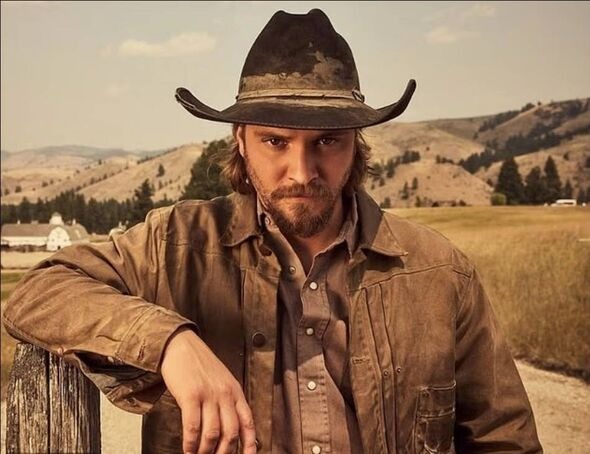
The Vision Quest That Changed Everything
Spiritual Turning Point
One of Kayce’s most important arcs involved his Native American vision quest. It forced him to confront identity, violence, and destiny.
The message wasn’t subtle:
He couldn’t have both worlds.
He would eventually need to choose between the ranch’s endless war and a quieter life.
The Meaning Behind the Choice
The vision wasn’t about predicting events.
It was about clarity.
Kayce realized survival sometimes means walking away.
And that realization set up his ending.
How Yellowstone Ended for Kayce
He Didn’t Win — He Stepped Aside
Kayce’s ending is powerful because it isn’t dramatic.
No big victory.
No tragic death.
No throne.
Instead, he did something rare in Yellowstone:
He chose peace over power.
He helped secure a future for his family while stepping back from the cycle of violence.
Protecting Tate’s Future
Kayce’s final motivation wasn’t the ranch — it was Tate.
Breaking generational trauma became more important than preserving land.
That shift marked the emotional resolution of his story.
Why His Ending Matters More Than John’s
The show often focused on legacy through land. Kayce reframed legacy through people.
Where others fought to hold on, Kayce asked whether holding on was worth the cost.
That philosophical difference is why his ending feels like closure rather than defeat.
Luke Grimes’ Performance Elevated the Arc
The quiet power of Kayce comes from performance. Luke Grimes leaned into restraint — fewer speeches, more emotion.
Small moments carried weight:
-
A look at Tate
-
Silence after violence
-
Hesitation before action
That subtlety made the ending feel earned.
Themes Behind Kayce’s Ending
Breaking Cycles
Yellowstone is fundamentally about inherited conflict. Kayce represents the possibility of ending it.
Masculinity Redefined
Strength isn’t domination.
For Kayce, strength became restraint.
Family Over Legacy
The ranch symbolized history.
Tate symbolized the future.
Kayce chose the future.
What Fans Often Miss About His Ending
Many viewers expected a heroic payoff — leadership, revenge, or sacrifice.
Instead, the show delivered emotional realism.
Walking away is harder than winning.
And that’s the point.
How Kayce Sets Up Marshals
A New Role, Same Skills
Kayce’s story doesn’t end — it evolves.
His military experience, investigative instincts, and moral tension make him perfect for a law-enforcement focused narrative.
That’s where Marshals enters.
The Shift From Ranch Wars to Justice
Yellowstone was territorial.
Marshals is expected to be procedural and character-driven.
The conflict becomes external rather than familial.
And that opens storytelling possibilities.
What to Remember Before Watching Marshals
Kayce’s Motivation Is Different Now
He isn’t fighting for land anymore.
He’s protecting people.
That shift changes how he approaches conflict.
Trauma Still Follows Him
Peace doesn’t erase the past. Kayce carries emotional scars that will likely shape future stories.
Family Remains Central
Even in a new setting, his decisions will revolve around Monica and Tate.
That anchor won’t change.
The Emotional Tone Fans Should Expect
If Yellowstone was heavy and explosive, Marshals may feel quieter but more introspective.
Think less Shakespearean family war.
More moral dilemmas.
Kayce thrives in that space.
Why Kayce Became a Fan Favorite
He Feels Human
He makes mistakes.
He doubts himself.
He struggles with identity.
That relatability stands out in a show full of larger-than-life characters.
He Represents Hope
Yellowstone often feels fatalistic. Kayce introduces the idea that change is possible.
And audiences cling to that.
The Bigger Meaning of His Story
Kayce’s ending isn’t about plot resolution. It’s thematic closure.
The show asks:
Can you honor where you come from without becoming it?
Kayce’s answer is yes — but only if you’re willing to let something go.
What Marshals Needs to Get Right
For the spinoff to work, it must preserve:
-
Kayce’s internal conflict
-
The family stakes
-
Moral ambiguity
-
Quiet emotional storytelling
If it leans too much into action, it risks losing what made the character compelling.
Final Thoughts — Kayce’s Ending Was the Show’s Most Honest Choice
Some endings explode.
Kayce’s exhaled.
He didn’t conquer the world. He protected his own.
And that’s why his story lingers.
As Marshals begins, the question isn’t whether Kayce can fight — we know he can.
The real question is whether he can keep the peace he fought so hard to find.
Conclusion
Kayce Dutton’s ending in Yellowstone feels less like a finale and more like a turning point. By stepping away from generational conflict, he redefined legacy in a story obsessed with inheritance. His journey from soldier to protector sets the emotional foundation for Marshals, promising a narrative that explores justice, identity, and healing rather than territorial warfare. If Yellowstone was about holding ground, Kayce’s future is about choosing where to stand — and that makes the next chapter one of the franchise’s most intriguing.