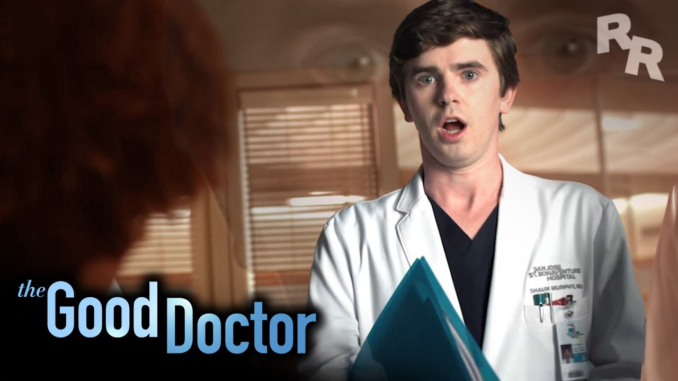
Let’s be clear: in the real world, The Good Doctor wasn’t banned.
But in the fandom’s wildest lore? It was. Not by governments, networks, or Netflix — but by collective fan outrage over plausibility.
How a Medical Show Became the Patient
Early seasons delivered medical dilemmas grounded in reality. Diagnoses felt researched, surgical decisions felt believable, and St. Bonaventure felt like a functioning hospital, not a narrative experiment lab.
Later seasons, fans argue, began leaning into:
-
Surgeries that defied common hospital logic
-
Ethical dilemmas that sounded like courtroom drama more than medicine
-
Emergency responses that prioritized shock over protocol
-
And emotional speeches longer than medical charts
The result?
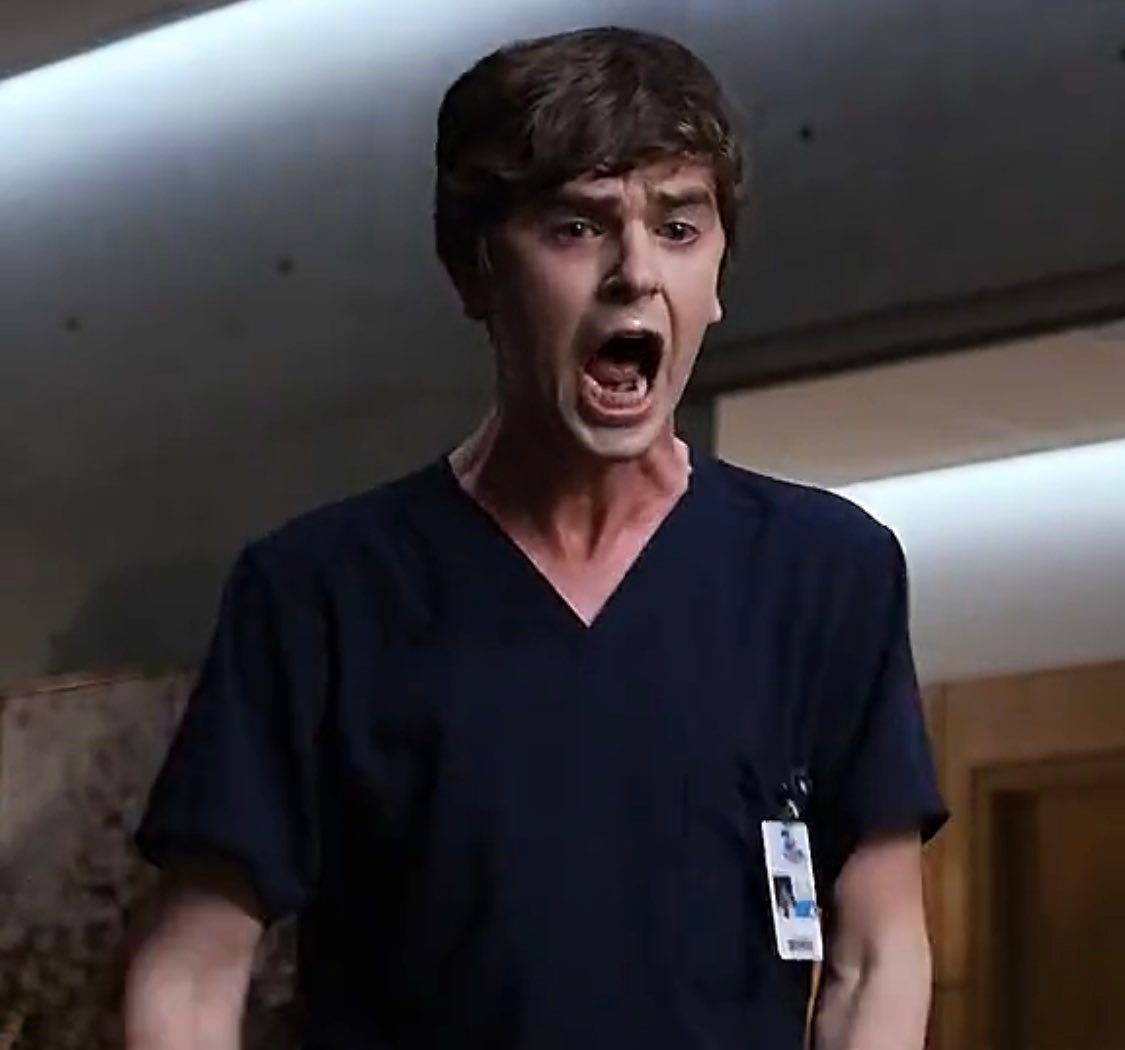
Fans stopped asking if the medicine was emotional.
They started asking if the medicine was believable at all.
Fandom Behavior: When the Script Gets Dramatic, the Audience Gets Analytical
The show asked fans to suspend disbelief.
Fans said, “We’ll suspend it — but not for malpractice theater.”
So threads exploded questioning:
-
Would this surgery ever happen like this?
-
Would this diagnosis take 3 seasons to solve?
-
Why is hospital ownership drama lasting longer than residency training?
-
Why are CPR and surgeries filmed like superhero origin scenes?
The Most Dangerous Moment for Any Medical Drama
It isn’t when fans stop watching.
It’s when fans start peer-reviewing the fictional hospital like it’s under audit.
And once that happens, the franchise becomes the patient, not the doctor.
Conclusion Fans Won’t Let Die
A medical drama survives when fans argue about characters.
It flatlines when fans argue about credibility.
And in fandom legend, the credibility took the hit.