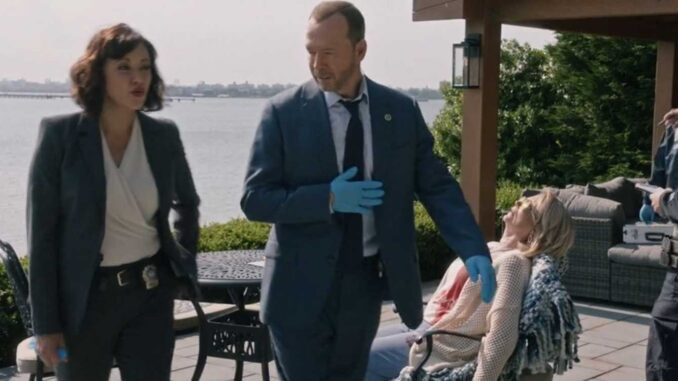
The decision not to kill off any Reagan family member in the Blue Bloods series finale was far from accidental. In fact, it was one of the most intentional creative choices the show ever made, and it perfectly reflected what Blue Bloods had always been at its core. For fourteen seasons, the series wasn’t about shock value or jaw-dropping twists. It was about family, continuity, and the quiet strength of tradition. Ending the show without a death honored that identity in a way a tragic finale never could.
From the very beginning, Blue Bloods positioned the Reagan family as a symbol of stability in an unstable world. Week after week, viewers returned not just for police cases or courtroom drama, but for the reassurance that the Reagan dinner table would still be there on Sunday night. Killing off a Reagan in the finale would have shattered that sense of constancy. Instead of closure, it would have left fans with grief, overshadowing everything the show spent years building.
Another major reason the finale avoided a death was respect for the audience. Blue Bloods cultivated one of the most loyal fanbases on network television, many of whom had been watching since the pilot. These viewers didn’t tune in hoping to be devastated; they tuned in for comfort, familiarity, and moral clarity. A last-minute tragedy might have generated headlines, but it would have betrayed the emotional contract the show had with its fans. The creators understood that not every finale needs to hurt to be meaningful.
There was also a strong thematic reason behind the choice. Blue Bloods was never about endings; it was about continuation. The Reagan family represented generations of service, where one chapter naturally flows into the next. By keeping every Reagan alive, the finale subtly suggested that life goes on beyond the final episode. The cameras stopped rolling, but the Reagans kept policing New York, gathering for family dinners, and living by their values. That sense of ongoing life felt far more authentic than a dramatic death scene.
From a storytelling perspective, killing off a major character at the very end can feel emotionally manipulative. Many long-running shows fall into the trap of using death as a shortcut to significance. Blue Bloods resisted that temptation. Instead of leaning on tragedy, the finale focused on reflection, legacy, and the quiet weight of shared history. It trusted the audience to feel emotion without being pushed there by loss.
Frank Reagan, played by Tom Selleck, is another key reason the finale stayed intact. Frank wasn’t just a character; he was the moral center of the series. Killing him off would have fundamentally changed the tone of the ending, turning it into a story about loss rather than legacy. Keeping Frank alive allowed the show to end on its own terms, with dignity, authority, and emotional restraint.
The Reagan family dinner, one of the most iconic elements of the show, also played a crucial role in this decision. The dinner table symbolized unity, debate, disagreement, and unconditional love. Ending the series with an empty chair would have turned that symbol into a reminder of pain. By keeping the family whole, the final dinner reinforced the show’s core message: family endures, even when everything else changes.
There’s also the practical reality that the show’s creators wanted to leave the door open, even just a crack. While Blue Bloods officially ended, its universe remains beloved. By not killing off any central characters, the possibility of future specials, spin-offs, or reunions remains alive. A definitive death would have closed those doors permanently, something the producers wisely avoided.
Perhaps most importantly, Blue Bloods never needed a death to validate its impact. Its legacy was already secure through years of consistent storytelling, strong performances, and a clear moral compass. The finale didn’t try to reinvent the show or suddenly become something darker or edgier. It simply stayed true to itself, which is a rare achievement in modern television.
In the end, the choice not to kill off any Reagan family member wasn’t about playing it safe. It was about honoring the spirit of the show and the people who loved it. Blue Bloods ended the same way it lived: grounded, respectful, and centered on family. For many fans, that wasn’t a disappointment at all. It was exactly the goodbye they needed.