
Sometimes, the Quietest Calls Burn the Longest
For a series built on explosions, collapsing buildings, and five-alarm chaos, Chicago Fire has delivered a surprising truth over the years: some of its most powerful episodes barely feature a major fire at all.
And that’s not a weakness — it’s the show quietly flexing its greatest strength.
When the Flames Take a Back Seat
In its early seasons, Chicago Fire leaned heavily on spectacle. Massive blazes. High-risk rescues. Edge-of-your-seat chaos. It worked — and it helped define the series.
But as the show matured, something shifted. The episodes fans talk about most aren’t always the loudest. They’re the ones that slow down, strip away the noise, and focus on what happens after the sirens stop.
The Power of Human Stakes
The heart of Chicago Fire has never been the fire — it’s the people who run toward it.
Episodes that resonate most deeply tend to center on:
Moral dilemmas with no clean answers
Leadership decisions that haunt characters long after the call
Quiet moments of guilt, grief, or doubt
A single mistake. A choice made too fast. A rescue that didn’t go as planned. These moments don’t need flames to feel dangerous — they cut closer to home.
Firehouse 51 at Its Most Real
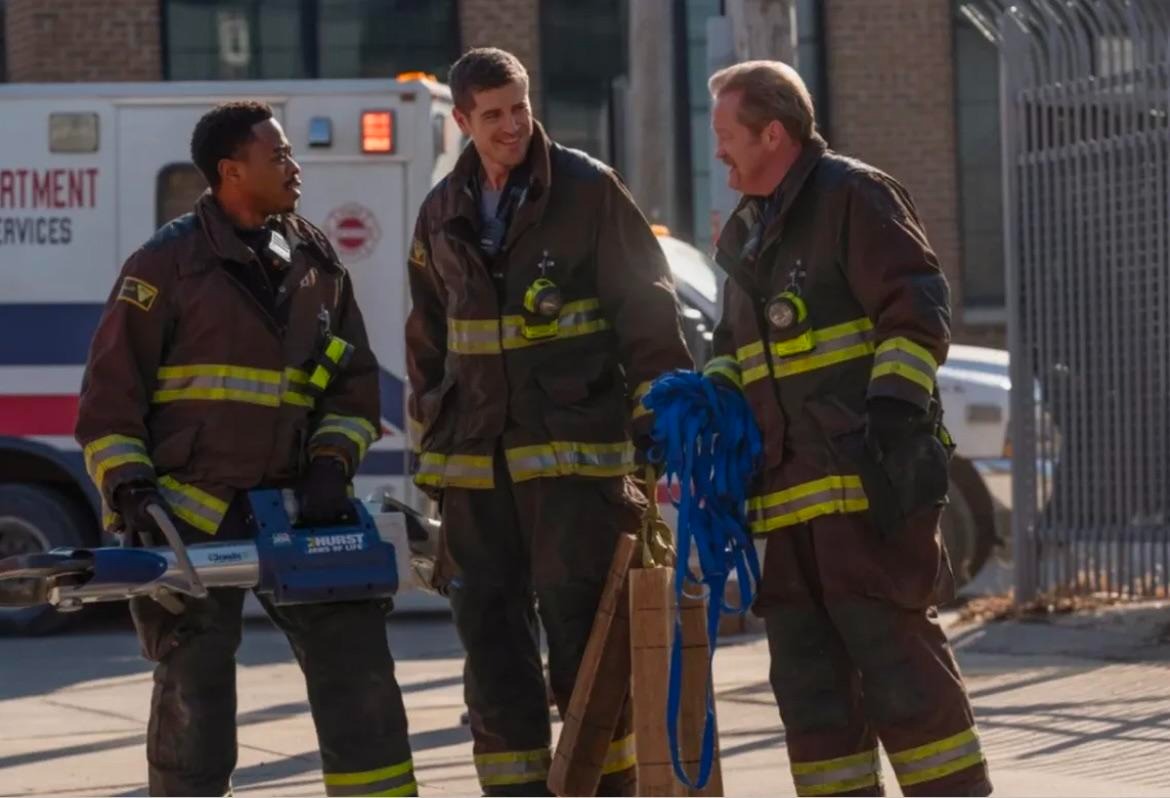
When the show steps away from spectacle, Firehouse 51 feels less like a TV set and more like a real workplace.
Conversations in the kitchen. Long looks after a bad call. Tension that simmers instead of explodes. These scenes build emotional realism — the kind that makes viewers believe these characters exist beyond the screen.
It’s also where performances shine. Without fire dominating the frame, actors are free to carry scenes with restraint, letting silence do the heavy lifting.
Big Fires Fade — Emotional Damage Doesn’t
A massive blaze can impress in the moment. But emotional fallout lingers.
Fans don’t rewatch episodes just to see flames. They rewatch for:
The decision that changed a career
The call that went wrong
The loss that reshaped Firehouse 51
Those episodes don’t rely on scale. They rely on consequence
A Sign of a Confident Series
Choosing restraint isn’t about budget or convenience — it’s about confidence.
After more than 10 seasons, Chicago Fire knows it doesn’t need constant spectacle to hold attention. It trusts its characters, its audience, and its emotional groundwork.
Sometimes the most dangerous fires aren’t the ones on screen.
They’re the ones burning inside Firehouse 51.
And that’s when Chicago Fire is at its best. 🔥