How The Office Became a Global Comedy Phenomenon
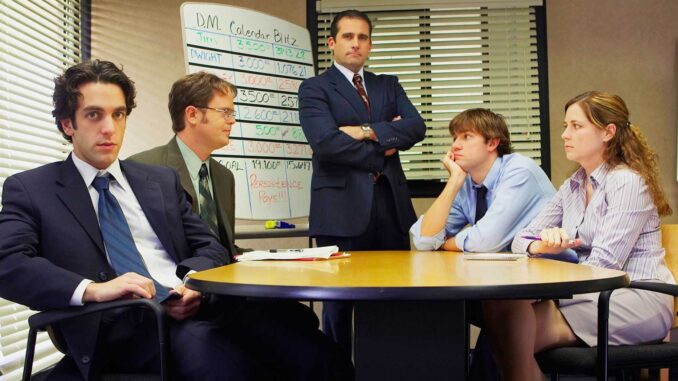
Few sitcoms have left a mark on global pop culture quite like The Office. What began as a small British mockumentary comedy quickly evolved into a worldwide television sensation. The genius of the show lies in its simplicity: an ordinary office, painfully awkward moments, and characters who feel just real enough to remind us of our own coworkers.
At the heart of every version of The Office are four core characters: the incompetent yet lovable boss, the charming prankster, the sweet receptionist, and the eccentric coworker who takes everything way too seriously. In the American version, they are Michael Scott, Jim Halpert, Pam Beesly, and Dwight Schrute.
But here’s the fascinating part—these four personalities exist in every international adaptation. Whether you’re watching the show in India, France, Germany, or Chile, you’ll recognize the same dynamic. The names change, the jokes adapt to local culture, and the humor shifts slightly, but the core characters remain.
Let’s explore how these four iconic personalities appear across all 13 versions of The Office around the world.
The Four Character Archetypes That Define The Office
Before diving into each country, it helps to understand the character archetypes that power the show.
The Incompetent but Well-Meaning Boss
This character desperately wants to be loved by employees but rarely succeeds. He tries to be funny, motivational, and inspiring—but usually creates awkward disasters instead.H3: The Charming Office Prankster
The Jim-type character is the audience’s guide through the madness. He’s witty, calm, and often breaks the fourth wall with knowing looks toward the camera.
The Kind-Hearted Receptionist
The Pam-type character represents warmth and emotional grounding. She often feels stuck in her job but grows throughout the story.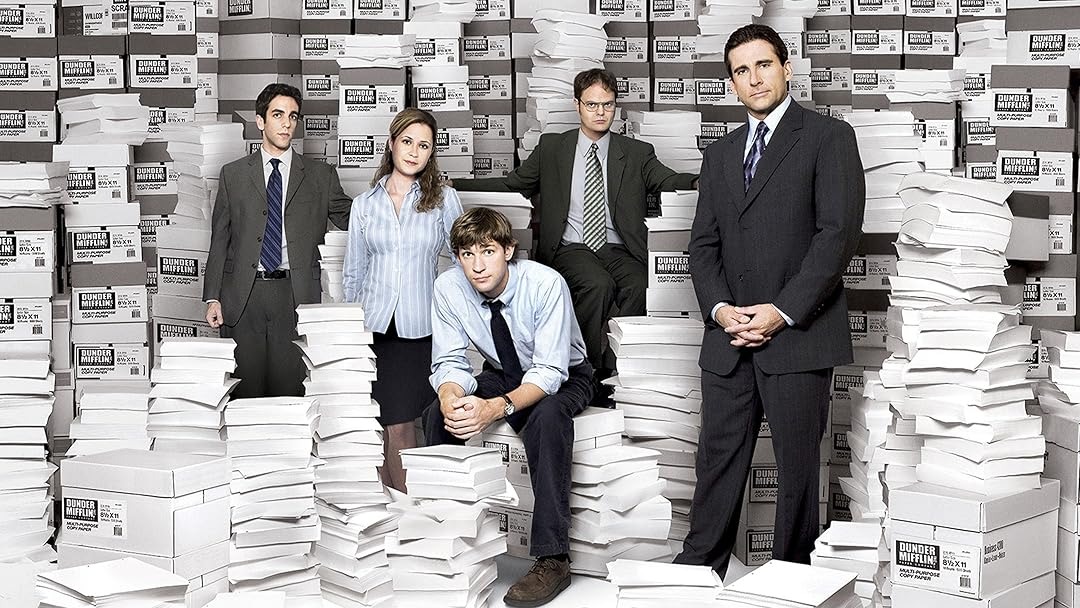
The Overly Intense Coworker
Dwight-type characters are rigid, rule-following, and hilariously strange. They take their job far more seriously than anyone else.
These four personalities form the emotional engine of every adaptation.
The Original Version – United Kingdom
The global journey of The Office started in the UK.
David Brent – The Original Michael
David Brent is socially awkward, painfully insecure, and obsessed with being liked. His cringe humor set the template for every future boss.
Tim Canterbury – The First Jim
Tim is sarcastic and clever. He constantly pranks his desk neighbor to survive the dull office environment.
Dawn Tinsley – The Original Pam
Dawn works at reception and dreams of something bigger than her mundane office job.
Gareth Keenan – The First Dwight
Gareth is a former Territorial Army member who takes office hierarchy extremely seriously.
This quartet created the DNA for every adaptation that followed.
The American Version – The Most Famous Adaptation
The U.S. remake transformed The Office into a global cultural phenomenon.
Michael Scott
Michael is childish, impulsive, and endlessly optimistic. Despite constant mistakes, his heart often shines through.
Jim Halpert
Jim’s dry humor and clever pranks make him instantly likable. His romance with Pam drives much of the show.
Pam Beesly
Pam evolves from shy receptionist into a confident creative professional.
Dwight Schrute
Dwight is unforgettable—part farmer, part salesman, and entirely eccentric.
This version introduced millions of viewers to the mockumentary style.
The German Version – Stromberg
Germany’s adaptation took a darker comedic tone.
Bernd Stromberg (Michael Equivalent)
A brutally honest boss whose politically incorrect humor pushes boundaries.
Ulf Steinke (Jim Equivalent)
More cynical than playful, reflecting German comedic style.
Tanja Seifert (Pam Equivalent)
The relatable office worker caught in workplace chaos.
Ernie Heisterkamp (Dwight Equivalent)
An overly loyal employee who idolizes the boss.
The French Version – Le Bureau
France gave the show a sophisticated yet absurd twist.
Gilles Triquet (Michael)
A boss who constantly tries—and fails—to appear charismatic.
Paul Delorme (Jim)
Sharp-witted and quietly rebellious.
Laetitia Kadiri (Pam)
Friendly, observant, and stuck between ambition and routine.
Karim (Dwight)
Serious, dedicated, and slightly intimidating.
The Israeli Version – HaMisrad
Israel’s adaptation kept the cringe comedy but added cultural edge.
Avi Meshulam (Michael)
A boss desperate to maintain authority while remaining liked.
Omri (Jim)
Sarcastic and observant.
Michal (Pam)
The empathetic office listener.
HKobi (Dwight)
Hyper-competitive and loyal to the company.
The Indian Version – The Office India
India’s adaptation moved the setting to a paper company in Faridabad.
Jagdeep Chaddha (Michael)
A dramatic and overconfident regional manager.
Amit Sharma (Jim)
Playful, charming, and always ready with a prank.
Pammi (Pam)
Warm, artistic, and underappreciated.
T.P. Mishra (Dwight)
Obsessive about rules and hierarchy.
The Canadian Version
Canada briefly experimented with its own remake.
David Wallace-Type Boss
A softer comedic tone.
Jim Equivalent
More understated humor.
Pam Equivalent
Emotionally grounded.
Dwight Equivalent
Quirky but less aggressive.
Other International Adaptations
Several other countries also produced their own versions.
Chile – La Ofis
Latin humor brought louder personalities and stronger emotional moments.
Sweden – Kontoret
A deadpan comedic style reflecting Scandinavian humor.
Finland – Konttori
More awkward silence and subtle jokes.
Poland – The Office PL
A modern workplace reflecting corporate culture in Eastern Europe.
Saudi Arabia – Al Maktab
Culturally adapted to fit Middle Eastern workplace dynamics.
Australia – Upcoming Version
Australia is developing a fresh remake with a modern twist.
Why These Four Characters Work in Every Culture
Here’s the secret sauce: these characters represent universal workplace experiences.
Everyone has:
-
A boss who tries too hard
-
A coworker who jokes around
-
Someone quietly chasing bigger dreams
-
And a colleague who takes the job way too seriously
It doesn’t matter if you’re in London, Mumbai, or Santiago—the office dynamic feels instantly familiar.
How Each Culture Changes the Humor
Even though the characters stay similar, the humor adapts to cultural norms.
British Humor
Dry, awkward, and painfully realistic.
American Humor
More emotional and character-driven.
European Humor
Often darker and more sarcastic.
Asian Humor
More situational and exaggerated.
This flexibility allowed The Office to succeed globally.
The Power of Relatable Characters
What truly makes the show timeless is its relatability.
We’ve all sat in boring meetings.
We’ve all worked with strange coworkers.
We’ve all had moments where we looked around and thought, “Is this really happening?”
The Office simply captures those moments perfectly.
The Legacy of The Office Worldwide
Today, The Office stands as one of the most successfully adapted television formats in history.
Thirteen different countries.
Thirteen different casts.
Yet the same four characters remain at the center of every story.
It proves something powerful about storytelling: human behavior doesn’t change much, no matter where you live.
Conclusion
From the awkward leadership of Michael Scott to Dwight’s unforgettable intensity, the four central characters of The Office form a universal comedic blueprint. Across thirteen international adaptations, these personalities have been reimagined through different cultural lenses while maintaining their core identity.
That’s the magic of The Office. It’s not just about a paper company—it’s about people. And whether you’re watching in the UK, the United States, India, or Europe, the same office dynamics continue to make audiences laugh.
In the end, the desks may change, the languages may differ, and the jokes may evolve—but the heart of The Office remains exactly the same.