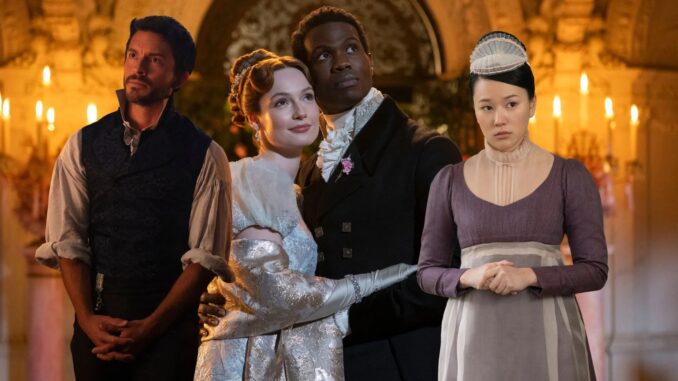
Why Bridgerton Season 4 Changed Francesca’s Pregnancy Loss Storyline from the Books
If you’ve read When He Was Wicked, you already know that Francesca Bridgerton’s journey is one of the most emotionally layered arcs in the entire series. It’s tender. It’s devastating. It’s raw. So when Bridgerton Season 4 altered Francesca’s pregnancy loss storyline, fans noticed instantly.
And let’s be honest—this wasn’t a small tweak. It was a deliberate, thematic shift.
So why did the show change such a pivotal moment from When He Was Wicked? Was it creative freedom? Audience sensitivity? Modern storytelling demands?
Let’s unpack it.
Francesca’s Story in the Books — A Quiet Storm
The Emotional Core of When He Was Wicked
In the novel by Julia Quinn, Francesca’s story unfolds with aching intimacy. After the sudden death of her husband John, she remarries Michael Stirling. But before that second chance at love fully blooms, she experiences pregnancy loss—a moment that defines her grief and longing.
The miscarriage in the book isn’t dramatic in the way other Bridgerton plotlines are. It’s quiet. Private. Almost suffocating in its stillness. And that’s what makes it powerful.
It reinforces one key theme: Francesca desperately wants to be a mother.
Motherhood as Identity
In the books, Francesca’s desire for children is central. Her pregnancy loss deepens her sense of incompleteness and shapes her second marriage. It’s not just about grief—it’s about purpose.
That motivation drives every decision she makes.
How Bridgerton Season 4 Reimagined the Story
A Shift in Timing and Tone
In Bridgerton Season 4, the pregnancy loss storyline doesn’t unfold exactly as it does in the book. Instead of centering it as the defining emotional catalyst for Francesca’s character, the show reframes it within a broader exploration of love, identity, and autonomy.
Rather than positioning motherhood as her singular goal, the series allows Francesca to wrestle with grief in a more layered way.
Less About Destiny, More About Choice
This is the biggest difference.
The show subtly moves away from the idea that Francesca’s happiness hinges solely on motherhood. Instead, it leans into emotional healing, romantic vulnerability, and personal rediscovery.
It’s not that motherhood doesn’t matter anymore. It’s that it’s no longer the only thing that matters.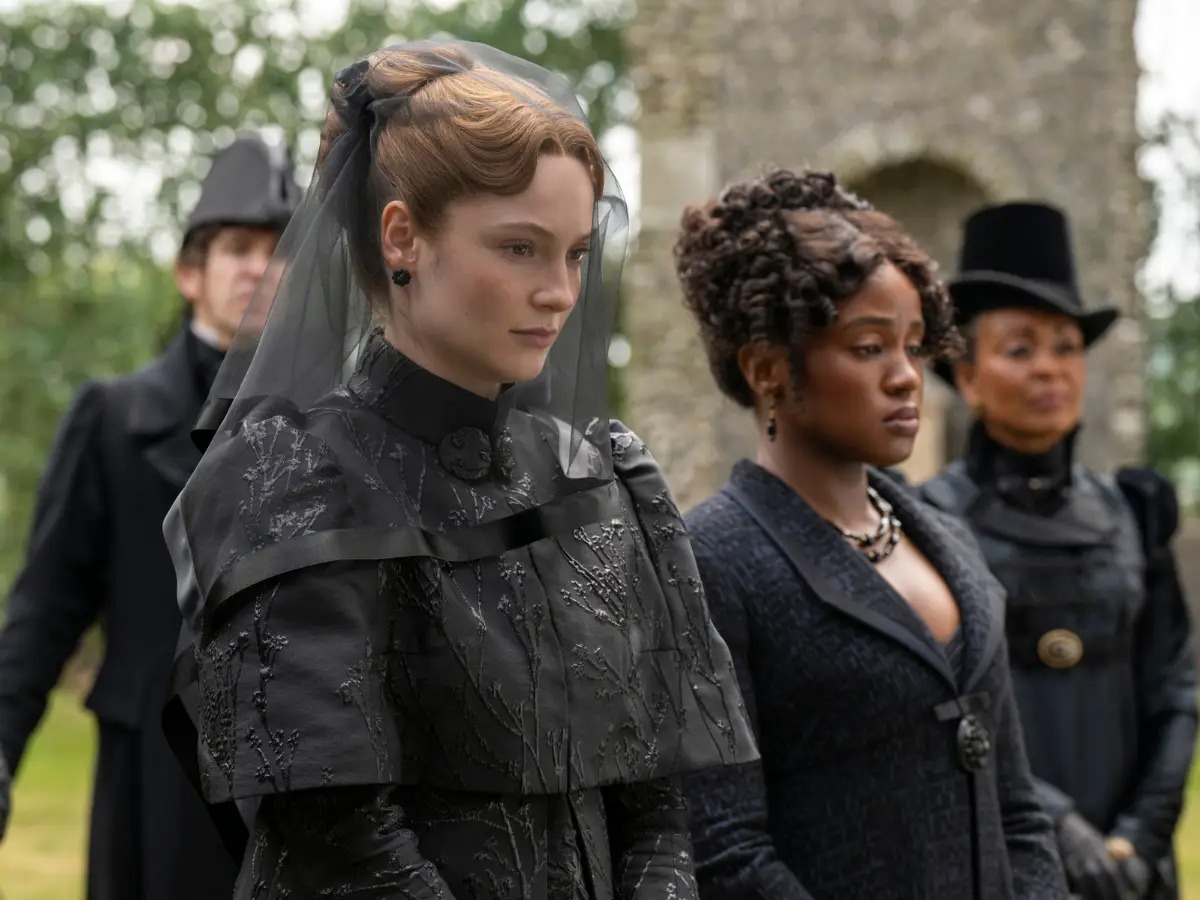
Why Netflix Made the Change
Modern Audiences, Modern Sensitivities
Let’s face it—television in 2026 isn’t the same as romance novels in 2004.
Today’s audiences are more vocal, more aware, and more emotionally attuned to how pregnancy loss is portrayed on screen. The writers likely wanted to avoid reducing miscarriage to a narrative device.
Grief deserves nuance, not melodrama.
By softening or restructuring the storyline, the show gives space for complexity rather than shock value.
Expanding Francesca Beyond Motherhood
A Woman with More Than One Dream
In the books, Francesca’s longing for a child defines her arc. In the series, she becomes more multifaceted.
She’s introspective. She’s passionate. She’s quietly rebellious.
The shift suggests that a woman’s fulfillment doesn’t need to be anchored to motherhood alone. That’s a powerful message in a world where expectations still weigh heavily on women.
The Influence of Shondaland’s Storytelling Style
Emotional Drama with a Contemporary Lens
Produced under Shondaland, the series thrives on emotional reinvention. Just look at how previous seasons reimagined characters, deepened backstories, and updated dynamics.
Francesca’s storyline follows that same pattern.
The show doesn’t reject the book—it reinterprets it.
Representation and Emotional Responsibility
Handling Pregnancy Loss with Care
Pregnancy loss is deeply personal. For many viewers, it’s not fiction—it’s lived experience.
By adjusting the storyline, the show avoids glamorizing suffering or using it purely as a stepping stone toward romance.
Instead, it treats grief as something that lingers. Something that reshapes you.
And that feels honest.
Strengthening the Romance Arc
Love After Loss, Not Because of It
In the novel, Francesca’s loss intensifies her longing for a second chance. In the series, the romance develops more independently.
Her connection isn’t built solely on shared tragedy—it’s built on understanding.
That shift changes the emotional weight of her love story. It makes it less about filling a void and more about choosing partnership.
Character Depth Over Plot Device
Avoiding Emotional Shortcuts
Sometimes, in adaptation, less is more.
The book’s miscarriage storyline is heartbreaking—but on screen, such intensity can feel overwhelming if not carefully handled.
By recalibrating the arc, the show allows Francesca to grow without defining her entirely through loss.
The Broader Theme of Autonomy in Bridgerton
Women Rewriting Their Narratives
Across seasons, Bridgerton consistently highlights female agency.
Daphne chose love on her own terms. Kate challenged social expectations. Penelope reclaimed her voice.
Francesca’s rewritten storyline continues that evolution.
It asks: What if a woman’s story isn’t predetermined?
Fan Reactions — Divided but Passionate
Book Purists vs. Show-Only Viewers
Some longtime readers feel the change dilutes the emotional gravity of When He Was Wicked. Others appreciate the updated perspective.
Both reactions make sense.
Adaptations walk a tightrope. Stay too close to the source material, and you risk stagnation. Change too much, and you alienate loyal fans.
Season 4 tries to balance both.
Emotional Realism in 2026 Television
Subtlety Over Shock
Modern prestige dramas lean into restraint. Instead of explosive tragedy, they favor intimate moments—glances, silence, unspoken grief.
Francesca’s revised arc fits that tone.
It’s not louder. It’s deeper.
The Evolution of Romance Storytelling
Beyond Fairy Tales
Romance today isn’t just about happily-ever-after. It’s about healing. Growth. Complexity.
By shifting Francesca’s storyline, the show emphasizes emotional maturity over dramatic suffering.
And that feels refreshing.
Does the Change Improve the Story?
That depends on what you value.
If you loved the raw, singular focus of the novel, you might miss that intensity.
If you prefer layered character development and modern themes, the series likely resonates more deeply.
Neither version is wrong. They simply serve different storytelling goals.
Conclusion: A Bold Reinterpretation, Not a Betrayal
At its heart, the change to Francesca’s pregnancy loss storyline isn’t about erasing grief—it’s about expanding identity.
Bridgerton Season 4 reimagines her journey to reflect contemporary values: autonomy, emotional nuance, and multifaceted womanhood.
The books gave us one powerful truth. The show offers another.
And maybe that’s the beauty of adaptation—it allows stories to evolve, just like the audiences who love them.