Penelope’s Journey: From Insecure Wallflower to Confident Woman in Bridgerton
Few characters in modern television have experienced a transformation as heartfelt and relatable as Penelope Featherington, later known as Penelope Bridgerton. Her journey in the hit Netflix series Bridgerton is more than just a romantic subplot—it’s a deeply human story about insecurity, self-worth, and finding the courage to embrace who you truly are.
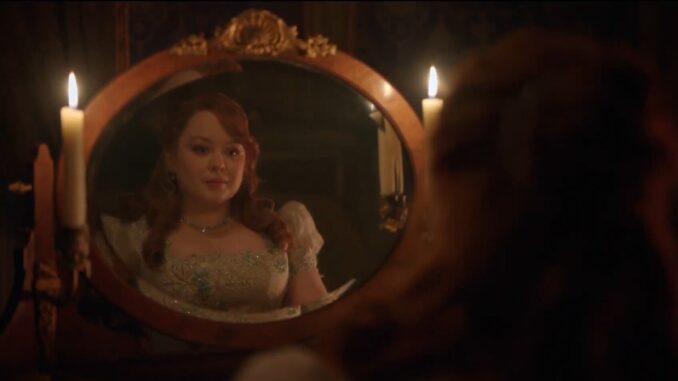
One of the most powerful moments in Season 4 happens when Penelope stands in front of a mirror before attending Cressida Cowper’s ball with her husband, Colin Bridgerton. It’s not just a quiet moment of preparation. It’s a symbolic confrontation between her past and present.
And honestly? It’s the kind of scene that stays with you long after the credits roll.
Let’s dive into why Penelope’s journey resonates so deeply with audiences—and why that mirror scene might be one of the most powerful moments in the entire series.
The Emotional Core of Bridgerton
While Bridgerton dazzles viewers with lavish balls, romantic scandals, and colorful Regency fashion, its true strength lies in its characters.
Penelope is the emotional heartbeat of the story.
Unlike many characters who start with confidence and power, Penelope begins as something painfully familiar: the overlooked girl. The one standing quietly in the corner of the ballroom while everyone else dances.
And that’s exactly why audiences connect with her.
The Early Days of Penelope Featherington
The Invisible Girl in the Room
At the beginning of the series, Penelope Featherington is often dismissed.
Her bright dresses make her stand out visually, yet socially she fades into the background. She’s rarely taken seriously, frequently overshadowed by louder personalities and stricter family expectations.
Sound familiar?
Many viewers have been there—feeling invisible in a crowded room.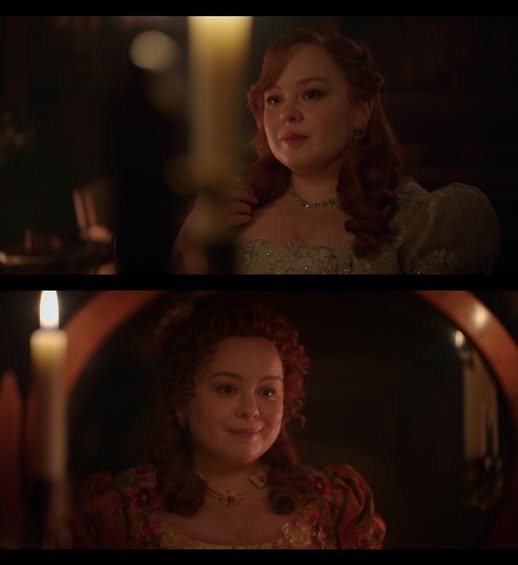
Living Under Constant Judgment
Penelope’s struggles are amplified by her environment. The Featherington household is filled with pressure, criticism, and unrealistic standards.
Instead of encouragement, she receives skepticism.
Instead of understanding, she faces ridicule.
Over time, those experiences chip away at her confidence, planting seeds of self-doubt that follow her everywhere.
The Secret Strength Behind the Wallflower
A Mind Sharper Than Anyone Realizes
Here’s the twist: Penelope was never weak.
In fact, she was one of the sharpest minds in the room.
Behind her shy demeanor lived a keen observer—someone who noticed every whisper, every secret glance, every hidden scandal.
That insight eventually led to one of the most shocking revelations in the show.
The Birth of a Powerful Voice
Through her secret identity as Lady Whistledown, Penelope gained something she lacked in her daily life: power.
Writing gave her freedom.
Suddenly, the girl nobody listened to had the entire ton hanging on her words.
It’s a fascinating metaphor, really. Sometimes people who seem quiet aren’t silent—they’re simply waiting for the right moment to speak.
The Slow Evolution of Confidence
Growth rarely happens overnight.
Penelope’s transformation unfolds gradually, like the slow turning of seasons.
Each experience—heartbreak, friendship, betrayal, and love—pushes her a little further toward self-acceptance.
Learning to Stand Her Ground
One of the most beautiful aspects of her journey is how she begins to challenge people.
Where she once stayed silent, she now speaks.
Where she once doubted herself, she now trusts her instincts.
It’s not loud or dramatic. It’s subtle. But it’s powerful.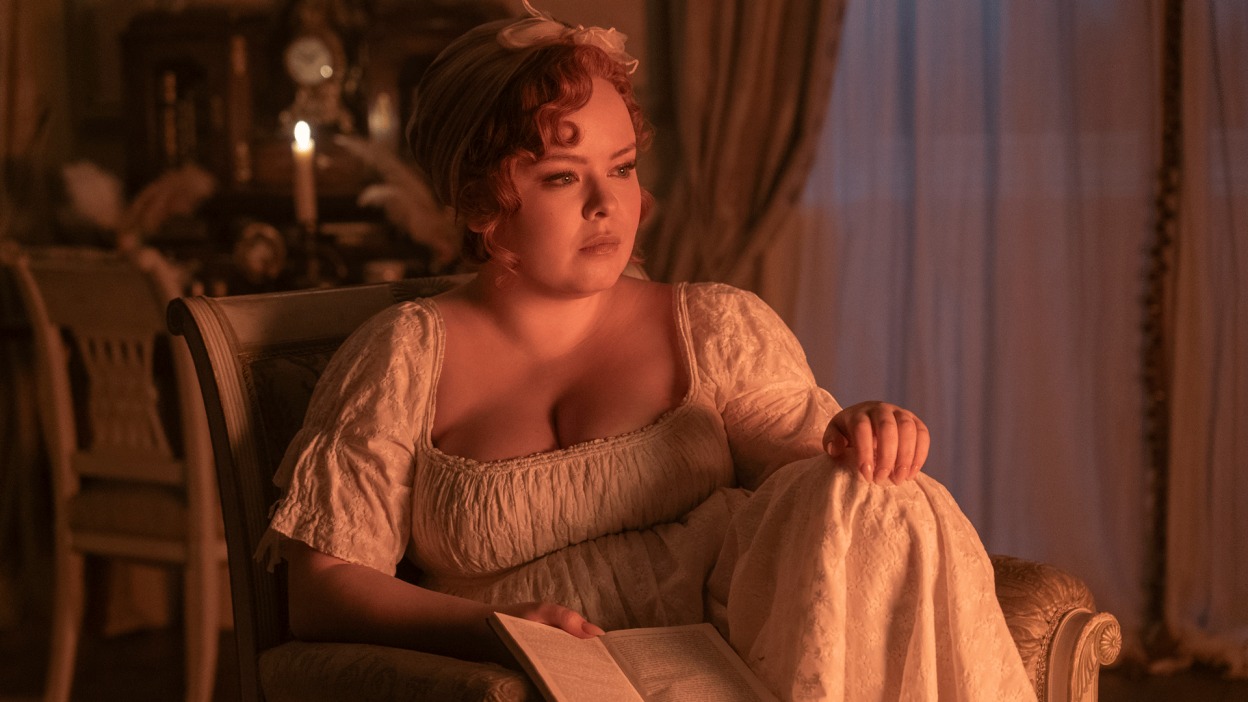
Love as a Catalyst for Change
Her relationship with Colin becomes another turning point.
Love, when healthy, doesn’t erase insecurities—it helps illuminate them.
Through their evolving connection, Penelope begins to see herself through a kinder lens.
She realizes she deserves happiness just as much as anyone else.
The Mirror Scene That Changed Everything
Now let’s talk about that unforgettable moment.
The mirror scene before Cressida’s ball.
On the surface, it’s simple: Penelope preparing for an event with her husband.
But emotionally? It’s layered with meaning.
Facing the Girl She Used to Be
As Penelope looks at her reflection, viewers sense something deeper happening.
It’s as if she’s seeing two versions of herself:
-
The insecure girl who once doubted everything
-
The confident woman she has become
The mirror becomes a symbol of transformation.
For a moment, past and present coexist in the same reflection.
A Quiet Victory
This scene doesn’t need dramatic dialogue.
The power lies in its stillness.
Penelope isn’t seeking approval anymore. She isn’t hiding behind self-criticism.
She simply looks at herself—and accepts what she sees.
That acceptance is the real victory.
Why Viewers Relate So Strongly to Penelope
She Represents Real Growth
Many television characters transform instantly.
Penelope doesn’t.
Her growth is messy, emotional, and painfully real.
That authenticity makes her story resonate with audiences around the world.
She Reflects Our Own Insecurities
Who hasn’t struggled with self-doubt?
Who hasn’t looked in a mirror and wished they were someone else?
Penelope’s journey reminds us that confidence isn’t something you’re born with.
It’s something you build.
The Symbolism Behind the Mirror
The mirror scene works so well because mirrors have always represented self-reflection.
But here, it goes deeper.
It represents:
-
Identity
-
Self-acceptance
-
Transformation
Penelope isn’t just seeing her reflection. She’s witnessing the distance she has traveled.
From Featherington to Bridgerton
Her transition from Penelope Featherington to Penelope Bridgerton isn’t just about marriage.
It symbolizes stepping into a new chapter of life.
She moves from a world defined by criticism to one shaped by respect and partnership.
It’s like stepping out of a cramped room and into open sunlight.
The Power of Quiet Characters
Television often celebrates loud personalities.
But Penelope proves that quiet characters can be the most powerful of all.
Her strength isn’t flashy.
It’s thoughtful.
Strategic.
Resilient.
And that kind of strength tends to last the longest.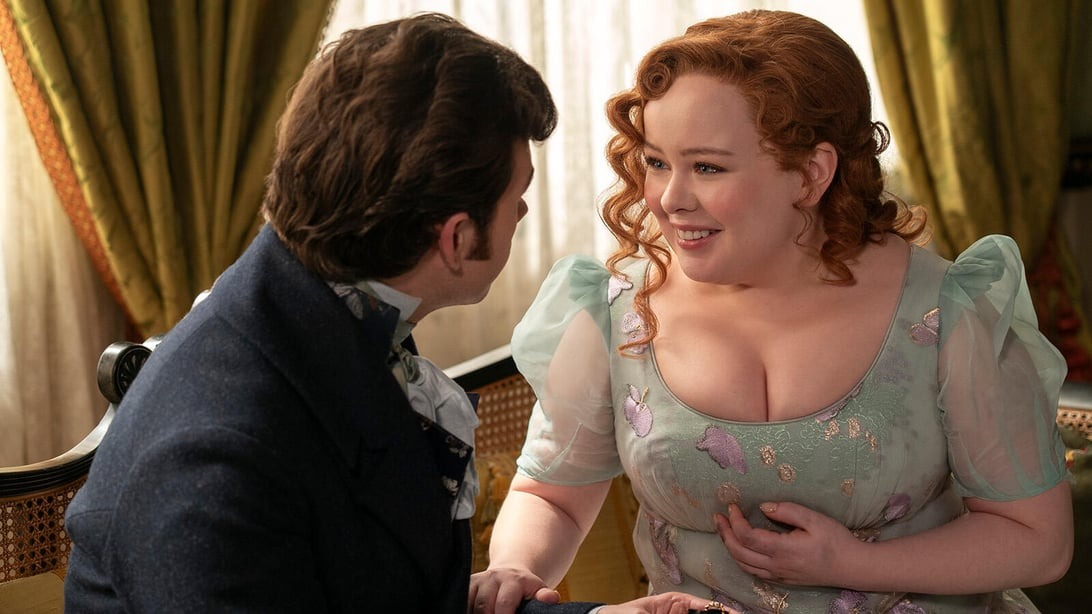
Why Penelope’s Story Matters
Stories shape how we see ourselves.
Penelope’s journey tells viewers something important:
You don’t have to start strong to become strong.
Growth is possible.
Confidence can bloom even in the most unlikely places.
A Character Who Earned Her Happiness
By the time viewers see Penelope standing confidently before the mirror, it feels deserved.
Every awkward moment, every heartbreak, every silent observation led to that point.
She didn’t stumble into happiness.
She fought quietly for it.
Conclusion: The Beauty of Penelope’s Transformation
Penelope’s journey in Bridgerton is more than a character arc—it’s a reminder that personal growth takes time.
From the insecure girl hiding behind bright dresses to the confident woman standing beside her husband at society’s grandest ball, Penelope’s transformation feels authentic and inspiring.
That mirror scene captures the heart of her story: the moment someone realizes they are no longer the person they once were.
And sometimes, the bravest thing we can do is simply look at ourselves—and finally believe we are enough.