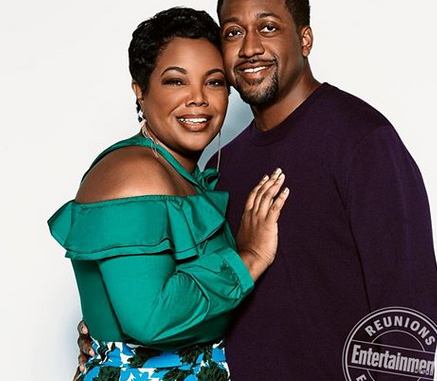
The 1990s gave us unforgettable sitcoms, laugh tracks that still echo in our heads, and couples who made us believe in love—awkward, messy, slow-burn love. Among all those iconic TV romances, Urkel and Laura stand tall as one of the biggest sitcom couples of the ’90s. Their relationship wasn’t perfect, and that’s exactly why it worked.
While other couples had instant chemistry, Urkel and Laura gave us something deeper: persistence, growth, and the kind of love that evolves over time. Let’s take a nostalgic deep dive into why this duo still owns a permanent spot in pop culture history.
The Golden Era of ’90s Sitcom Romance
The ’90s were a sweet spot for television. Sitcoms weren’t just about laughs—they were about connection. Families gathered around the TV, and relationships unfolded week by week, not in binge sessions.
Couples like Ross and Rachel, Will and Lisa, and Zack and Kelly ruled the screen. But Urkel and Laura? They played a completely different game.
Who Were Urkel and Laura? A Quick Refresher
Steve Urkel was the definition of lovable chaos. Smart, awkward, loyal to a fault, and always two steps away from disaster. Laura Winslow was confident, stylish, and grounded—the perfect contrast.
They weren’t supposed to be endgame at first. Yet, somehow, their dynamic became the emotional backbone of the show.
Why Urkel and Laura Were Different from Other Sitcom Couples
Most sitcom romances start with mutual attraction. Urkel and Laura started with rejection. A lot of it.
And that’s what made their story so compelling. Urkel didn’t chase Laura for validation. He believed in her, respected her boundaries, and stayed true to himself—even when it hurt.
The Slow-Burn Love Story That Defined a Generation
Their relationship was a masterclass in patience. No shortcuts. No instant gratification.
Week after week, viewers watched Urkel grow, stumble, learn, and mature. Laura, in turn, learned to see beyond appearances and appreciate character over charm.
It was like watching a seed grow into a tree—slow, steady, and worth the wait.
Comedy Built on Real Emotion
Sure, Urkel tripped over furniture and broke inventions. But underneath the jokes was genuine emotion.
His love for Laura wasn’t played for laughs—it was sincere. That emotional honesty gave the comedy weight and made every romantic moment hit harder.
Laura’s Growth Made the Love Story Believable
Laura wasn’t just “won over.” She evolved.
She matured, experienced heartbreak, and gained perspective. Over time, she recognized Urkel’s loyalty, intelligence, and kindness—qualities that age like fine wine.
That growth is what made their eventual connection feel earned.
Why Audiences Rooted for Urkel
Let’s be honest—we’ve all felt like Urkel at some point. Unnoticed. Underestimated. Trying our best anyway.
He represented the underdog, and watching him stay kind and hopeful made people root for him—not just as a character, but as a person.
A Love Story Without Perfection
Urkel and Laura argued. Misunderstood each other. Made mistakes.
And that’s the point. Their relationship wasn’t a fairy tale—it was real. It showed that love doesn’t arrive polished. It’s built, repaired, and strengthened over time.
Cultural Impact Beyond the Laugh Track
This couple didn’t just entertain—they influenced.
They challenged beauty standards, flipped traditional romance tropes, and showed that intelligence and loyalty are attractive traits. For many viewers, especially young ones, that message mattered.
How Urkel and Laura Compare to Other ’90s Sitcom Couples
While Ross and Rachel thrived on chaos, and Zack and Kelly leaned into teen fantasy, Urkel and Laura stood out for emotional depth.
Their love story wasn’t about timing—it was about transformation.
Why Their Relationship Still Resonates Today
Even decades later, their story feels relevant. In a world obsessed with instant connections, Urkel and Laura remind us that meaningful relationships take time.
Their journey feels refreshingly human in an age of swipe culture.
Nostalgia That Still Feels Fresh
Rewatching their episodes today doesn’t feel dated—it feels comforting.
Their humor holds up. Their lessons still land. And their love story? Still hits right in the heart.
What Made Them One of the Biggest Sitcom Couples of the ’90s
It wasn’t just screen time or popularity. It was emotional investment.
Viewers grew up with them. Cheered for them. Felt their wins and losses. That kind of connection doesn’t fade.
Lessons Modern TV Can Learn from Urkel and Laura
Today’s shows can learn a lot from this couple:
-
Let characters grow naturally
-
Don’t rush romance
-
Respect emotional realism
Sometimes, slow is better.
Why Fans Still Talk About Them
Because their story feels personal. It reminds people of first crushes, unreturned love, and the hope that persistence and kindness still matter.
That’s powerful storytelling.
Their Legacy in Sitcom History
Urkel and Laura didn’t just exist in the ’90s—they defined a part of it.
They proved that sitcom couples don’t need perfection to be iconic. They need heart.
Conclusion: A ’90s Sitcom Love Story That Stands the Test of Time
Among all the biggest sitcom couples of the ’90s, Urkel and Laura remain unforgettable. Their love story was awkward, emotional, funny, and deeply human. It wasn’t about instant sparks—it was about enduring connection.
And that’s why, even today, their story still matters.
FAQs
1. Were Urkel and Laura planned as a couple from the start?
No, their relationship developed naturally over time based on audience response and character growth.
2. Why did fans connect so deeply with Urkel?
Because he represented the underdog—kind, loyal, and unapologetically himself.
3. How did Laura’s character change throughout the series?
She matured emotionally and learned to value substance over surface-level attraction.
4. What makes their love story different from other ’90s sitcom couples?
Their relationship focused on patience, growth, and emotional realism rather than instant romance.
5. Do Urkel and Laura still influence pop culture today?
Absolutely. Their story is still referenced as one of the most authentic slow-burn romances in sitcom history.