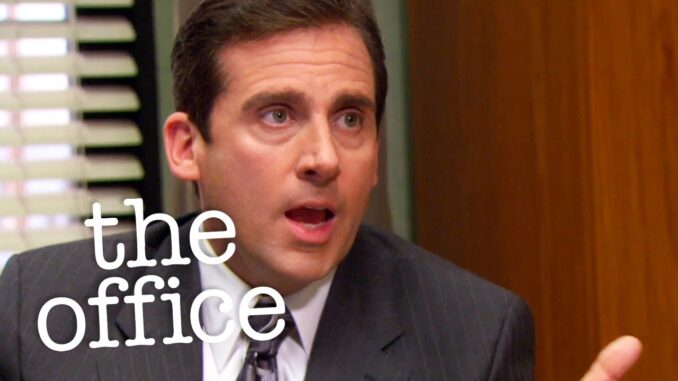
Would Michael Scott Exist Without Steve Carell? The Actor Recalls the Pressure of the 2005 Remake
Imagine walking into a room where everyone expects you to fail. Not just “miss the mark” fail, but “ruin a masterpiece” fail. That was the reality for Steve Carell in early 2005. The shadow of the British version of The Office didn’t just loom; it was a total eclipse. Could a goofy American comedian really fill the shoes of Ricky Gervais? Could an American sitcom capture that cringe-inducing, lightning-in-a-bottle magic?
The Ghost of David Brent: The 2005 Identity Crisis
When NBC announced they were adapting the BBC’s The Office, the collective groan from critics could be heard across the Atlantic. At the center of this storm was Steve Carell, a man then best known as the “Daily Show” correspondent and the guy who got his chest waxed in The 40-Year-Old Virgin.
The Comparison Trap
The pressure wasn’t just about being funny; it was about being differently funny. David Brent, the original boss, was a tragic figure—desperate, delusional, and often genuinely unlikable. Carell recently recalled that the early days felt like a tightrope walk. If he mimicked Gervais, he was a pale imitation. If he went too “Hollywood,” the show lost its soul.
Why the Pilot Almost Sank the Ship
If you go back and watch the pilot episode of the US version, it’s a bit… weird, isn’t it? It’s almost a word-for-word remake of the UK premiere. Michael Scott sports slicked-back hair and a much meaner edge.
The Need for Likability
Carell has often noted that after the first few episodes, the writers realized something crucial: an American audience won’t watch a jerk for seven seasons. Michael Scott needed a heart. He needed to be the world’s “Greatest Boss” in his own head, but also a man who desperately wanted a family. This pivot is what Carell brought to the table—a layer of vulnerability that David Brent never quite had.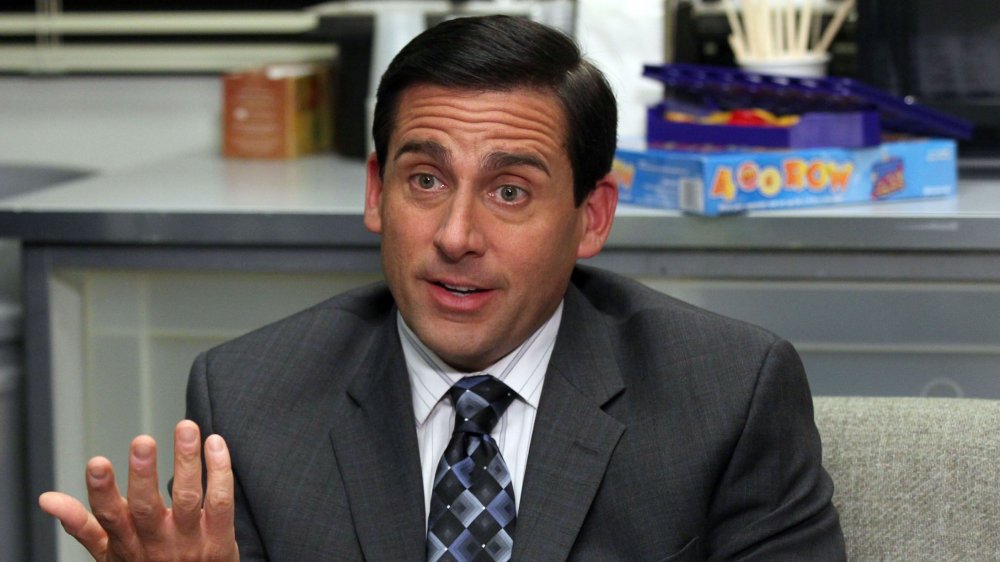
The “Carell Factor”: More Than Just Scripted Lines
What makes Michael Scott Michael Scott? Is it the “That’s what she said” jokes? Is it the botched diversity training?
The Improvisational Genius
Carell’s background in Second City improv was the secret sauce. Many of the show’s most iconic moments—like the kiss with Oscar in “Gay Witch Hunt”—were unscripted. Carell understood that Michael wasn’t a villain; he was a child in a suit. He didn’t want to hurt people; he wanted them to love him so badly it hurt.
Body Language and the Subtle Cringe
It wasn’t just the dialogue. It was the way Carell’s eyes would shift when a joke landed poorly. It was the way he adjusted his tie while being completely humiliated. That physical comedy created a character that felt three-dimensional.
The Pressure of 2005: A Make-or-Break Moment
People forget that The Office was nearly canceled after its first short season. The ratings were mediocre, and the feedback was mixed. Carell recalls the tension on set—the feeling that they were all part of a “noble experiment” that was likely going to be a footnote in TV history.
The Summer That Changed Everything
Then, The 40-Year-Old Virgin hit theaters. Carell became a superstar overnight. Suddenly, NBC had a reason to keep the show alive. But with that fame came even more pressure. Now, he wasn’t just an actor in a remake; he was the “It-Man” carrying a struggling sitcom on his shoulders.
Could Anyone Else Have Played Him?
Over the years, we’ve seen the audition tapes. Seth Rogen, Bob Odenkirk, Rainn Wilson (who, of course, became Dwight). While Odenkirk’s take was brilliant, it was darker. It lacked the “golden retriever” energy that Carell infused into Michael.
The Odenkirk Parallel
Bob Odenkirk’s Michael Scott would have been a brilliant corporate satire, but it might not have lasted 200 episodes. Carell’s Michael was someone you wanted to hug, even while you were calling HR. Without Carell’s specific brand of optimistic idiocy, the show likely would have ended in 2006.
The Anatomy of a Michael Scott Moment
How did Carell balance the “cringe” with the “heart”? Think of “Scott’s Tots.” It is arguably the most uncomfortable episode of television ever produced. Yet, we stay. Why? Because Carell plays Michael’s genuine heartbreak over failing those kids so sincerely that we feel his pain through our own secondary embarrassment.
Building a Workplace Family
Michael Scott viewed Dunder Mifflin as his home. Carell’s performance anchored the rest of the cast. He was the sun that all the other weird planets—Dwight, Jim, Pam, Creed—orbited. If the sun was too cold, the planets would fly off into space.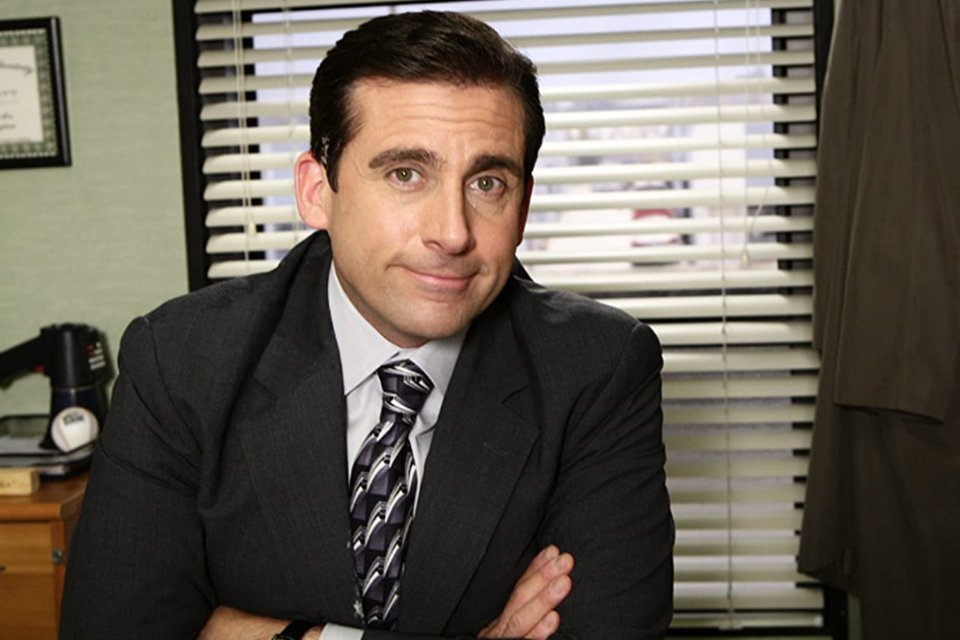
Reflecting on the Legacy 20 Years Later
Now, decades after that high-pressure 2005 launch, Carell speaks about the role with a mix of gratitude and relief. He recalls the “terrifying” feeling of stepping into a role that felt destined for failure.
The Modern Resurgence
Thanks to streaming, The Office is more popular now than it was when it aired. New generations are discovering Michael Scott. They aren’t comparing him to David Brent anymore; they are comparing every other TV boss to Michael Scott.
Conclusion: The Man, The Myth, The Regional Manager
So, would Michael Scott exist without Steve Carell? The name might, and the script surely would, but the soul of the character belongs entirely to Carell. He took a cynical British premise and turned it into a hopeful American anthem about the beauty of the mundane. He didn’t just survive the pressure of 2005; he used it to forge one of the greatest characters in the history of the medium.