In television history, characters come and go.
Some are written off quietly.
Others are given emotional farewells.
But what happened to Roseanne Barr in The Conners was something else entirely.
It wasn’t just an exit.
👉 It was an erasure.
💥 A Death That Shocked Viewers
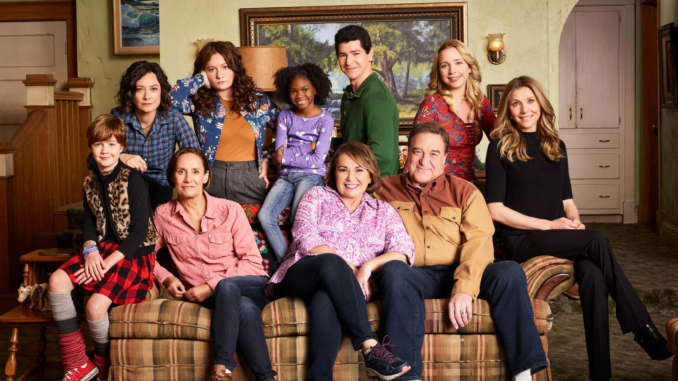
When The Conners premiered as the continuation of Roseanne, audiences quickly learned one thing:
Roseanne Conner was gone.
Not relocated.
Not recast.
Not written into the background.
👉 She was dead.
The show revealed that the character had died from an opioid overdose—a decision that immediately sparked controversy across media and fan communities.
For many, it felt abrupt.
For others, it felt intentional.
🎭 More Than Just a Storyline
On paper, the explanation fit within the show’s long-standing realism. Roseanne had always addressed working-class struggles, including health and addiction.
But this wasn’t just storytelling.
It was happening in the shadow of a very real scandal involving Roseanne Barr—one that led to the original show’s cancellation.
Which raises the question:
👉 Was this a narrative choice…
👉 or a symbolic statement?
💣 Removing the Center of the Show
What made the decision even more striking was this:
Roseanne wasn’t just a character.
She was the core of the entire series—the voice, the perspective, the identity.
To remove her was not simply to adjust the story.
👉 It was to rebuild the universe without its foundation.
And yet, The Conners moved forward—focusing on the remaining family members, attempting to preserve the spirit of the original while leaving its central figure behind.
🔥 Justice… or Excess? 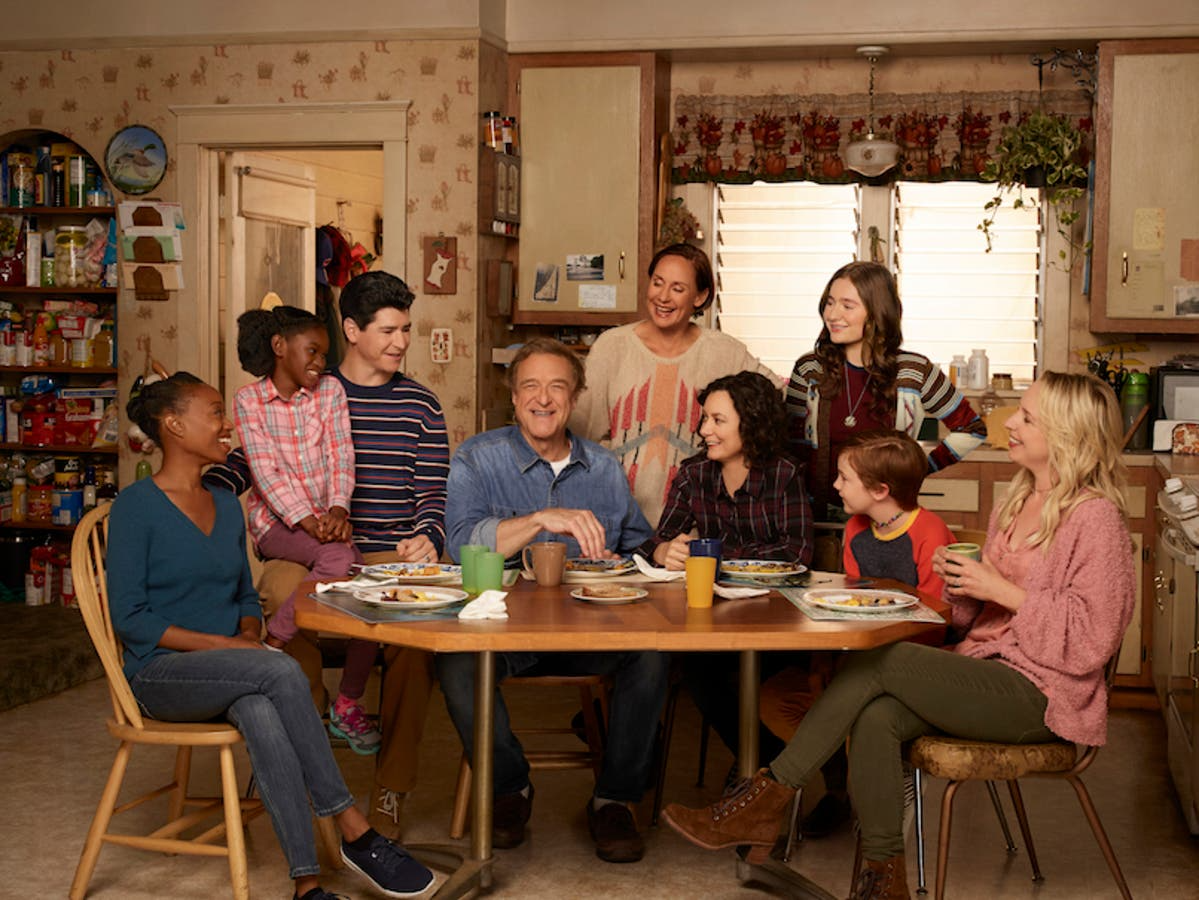
The debate that followed has never fully settled.
Supporters of the decision argue:
- The show had no choice but to distance itself
- Accountability required a clean break
- Continuing without her was necessary to protect the cast and legacy
Critics see it differently:
- Killing the character felt unnecessarily harsh
- It blurred the line between fiction and real-life punishment
- It turned a creative decision into something personal
👉 In their view, it wasn’t just accountability.
👉 It was overcorrection.
🧠 When Fiction Becomes a Statement
Television has always reflected reality.
But rarely does it respond to real-world events this directly—and this dramatically.
By writing Roseanne out through death, The Conners did more than continue a story.
👉 It made a statement.
Whether that statement was justified—or excessive—depends entirely on who you ask.
💣 A Legacy Permanently Altered
What remains undeniable is this:
The legacy of Roseanne can no longer be separated from the way it ended.
A show once defined by its honesty and humor is now equally remembered for its abrupt rupture—and the extreme measures taken to move forward without its creator.
⚰️ Final Question
When a character is removed because of the person behind them…
👉 Where should the line be drawn?
And in this case—
👉 Was Roseanne Conner given a fitting end…
or made into an example?