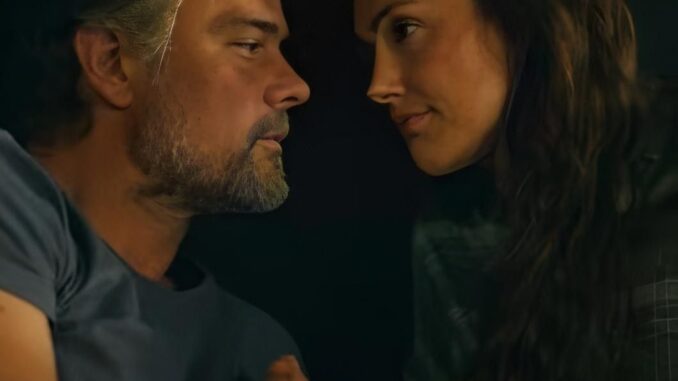
🌄 The Rise of a New Western Contender: Ransom Canyon
When a new Western drama gallops onto the scene these days, comparisons feel almost inevitable. The modern TV Western has been reshaped so dramatically in the past decade that any sweeping ranch vistas, brooding cowboys, or slow-burn romance immediately trigger one question: Is this the next Yellowstone?
That’s exactly the conversation surrounding Ransom Canyon, Netflix’s glossy, emotionally charged cowboy saga that’s turning heads—and stirring arguments—across streaming audiences.
With its mix of rugged landscapes, tangled romance, generational land disputes, and emotionally wounded men in cowboy hats, Ransom Canyon looks—at first glance—like it’s riding straight in the tracks of a very familiar horse. But does resemblance equal imitation? Or is Netflix quietly building the next evolution of the modern Western?
The answer depends on who you ask.
🤠 The Standard It Can’t Escape: Yellowstone
To understand the controversy, you have to understand the cultural giant standing behind it: Yellowstone.
Created by Taylor Sheridan and launched on Paramount Network, Yellowstone didn’t just revive the Western—it reinvented it. Gone were the dusty black-and-white moral tales of classic cowboy cinema. In their place came something sharper, darker, and deeply modern.
The show fused political power struggles, corporate greed, family loyalty, and brutal realism into a sweeping ranch drama that felt more like prestige crime television than traditional Western storytelling. Its massive popularity didn’t just create a hit—it created a template.
Now every new ranch drama exists in Yellowstone’s shadow.
Including Ransom Canyon.
🔥 Why Viewers Are Crying “Copycat”
The accusations didn’t take long to surface. Social media lit up almost immediately after Ransom Canyon premiered, with viewers pointing out striking similarities.
And honestly? Some of them are hard to ignore.
1. The Emotional Cowboy Archetype
Both series revolve around wounded, stoic men carrying emotional scars deeper than the land they defend. These aren’t carefree cowboys—they’re grieving, burdened, often haunted by loss.
2. Land Is Power
In both worlds, ranch land isn’t just property. It’s identity, legacy, survival. Control of territory drives conflict, relationships, and even morality.
3. Romance Meets Rivalry
Neither show is content with simple love stories. Relationships unfold against backdrops of betrayal, generational trauma, and social pressure. Love is rarely peaceful—it’s combustible.
4. Cinematic Western Aesthetic
Sweeping drone shots. Golden sunsets. Slow-motion horseback riding. The visual language of modern Western prestige TV is unmistakably present in both.
5. Family Drama as Epic Conflict
These aren’t just personal disagreements—they’re emotional wars fought over inheritance, pride, and belonging.
For many viewers, that combination feels less like coincidence and more like design.
❤️ But Fans Say It’s Not a Copy—It’s a Different Genre
Despite the similarities, defenders of Ransom Canyon argue the comparison oversimplifies what the show actually is.
Yes, both stories live on ranches. Yes, both have cowboy hats and emotional turmoil. But tonally and structurally, they diverge more than critics admit.
A Western Romance at Its Core
Where Yellowstone leans into political drama, power struggles, and violence, Ransom Canyon places romance front and center. Relationships aren’t side plots—they’re the engine driving everything.
The emotional focus feels closer to a sweeping romantic saga than a power-driven family empire story.
Softer Emotional Storytelling
Yellowstone thrives on tension, brutality, and moral ambiguity. Ransom Canyon, while dramatic, often leans into vulnerability, longing, and emotional healing.
It’s less about domination—and more about connection.
Character-Driven Rather Than Strategy-Driven
In Yellowstone, characters often act strategically—protecting power, territory, influence.
In Ransom Canyon, characters act emotionally—protecting love, memory, and belonging.
That shift changes everything.
🎬 Netflix’s Strategic Move
It’s also impossible to ignore the business side of the debate.
Netflix didn’t stumble into this genre by accident. Westerns are booming again, and prestige ranch dramas attract loyal audiences who invest deeply in characters and long-running narratives.
From a streaming strategy perspective, creating a Western romance with strong emotional appeal is a logical expansion—not imitation.
If Yellowstone is a political family epic in cowboy clothing, Ransom Canyon may be Netflix’s attempt to claim the romantic heartland of the same cultural territory.
Different emotional promise. Same visual frontier.
🌵 The Bigger Trend: The Western Is Evolving Again
The debate also reveals something larger than either show.
We are witnessing a second wave of modern Western storytelling.
The first wave—led by Yellowstone—reframed the genre around power, realism, and moral complexity.
The emerging wave, represented by Ransom Canyon, appears to be exploring intimacy, vulnerability, and emotional identity within the same rugged landscapes.
In other words, the Western isn’t just back.
It’s diversifying.
Just as crime dramas evolved into psychological thrillers and romantic dramas evolved into prestige storytelling, Westerns are now branching into sub-genres:
-
Political Western
-
Romantic Western
-
Psychological Western
-
Family dynasty Western
The frontier has become a storytelling ecosystem.
💬 Why the Debate Feels So Intense
If the differences are real, why does the argument remain so heated?
Because viewers aren’t just comparing plots—they’re comparing cultural impact.
Yellowstone didn’t merely entertain audiences. It reshaped expectations. It defined what a modern Western could feel like. For many fans, it holds emotional ownership over the genre’s revival.
So when another series enters similar territory, the reaction is instinctive:
“Is this inspired… or is it replacing what we love?”
It’s less about similarity—and more about loyalty.
⭐ The Verdict: Copycat or Fresh Hit?
The truth sits somewhere in between.
Ransom Canyon clearly borrows the visual and emotional language that Yellowstone helped popularize. Ignoring that influence would be unrealistic.
But influence isn’t the same as duplication.
Where Yellowstone tells stories about power, survival, and control, Ransom Canyon tells stories about longing, healing, and connection.
Same landscape.
Different emotional gravity.
And that distinction may be exactly why the show is succeeding.
🐎 What This Means for the Future of TV Westerns
If anything, the fierce debate proves one thing: audiences want more Western storytelling—but not just one version of it.
The genre is no longer a single trail.
It’s an open range.
Some viewers will always prefer the ruthless intensity of Yellowstone. Others will gravitate toward the emotional warmth and romantic depth of Ransom Canyon.
And many will watch both—because modern Western television is big enough to hold multiple visions of the frontier.
🌅 Final Thoughts
So is Ransom Canyon a Yellowstone copycat?
Not exactly.
It’s more like a cousin who grew up in the same landscape but learned to speak a different emotional language.
And judging by the passionate reactions from audiences, that difference—subtle or not—is enough to keep the conversation blazing.
The modern Western has entered a new era.
And the cowboys? They’re not done evolving yet.