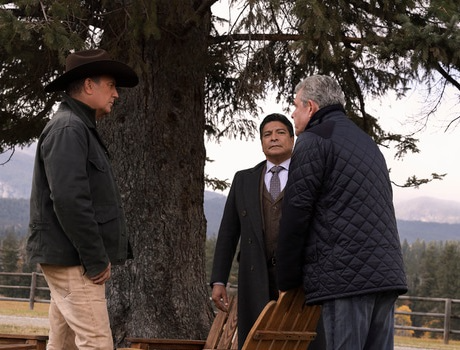
Yellowstone has always been a chessboard disguised as a ranch drama, and the most compelling players didn’t fight the same war — they fought the same land from different angles.
-
John Dutton fought for ownership
-
Chief Thomas Rainwater fought for reclamation
-
Dan Jenkins fought for opportunity
Their methods were different.
Their motives were conflicting.
Their impact? Undeniable.
And the fandom still hasn’t reached a verdict.
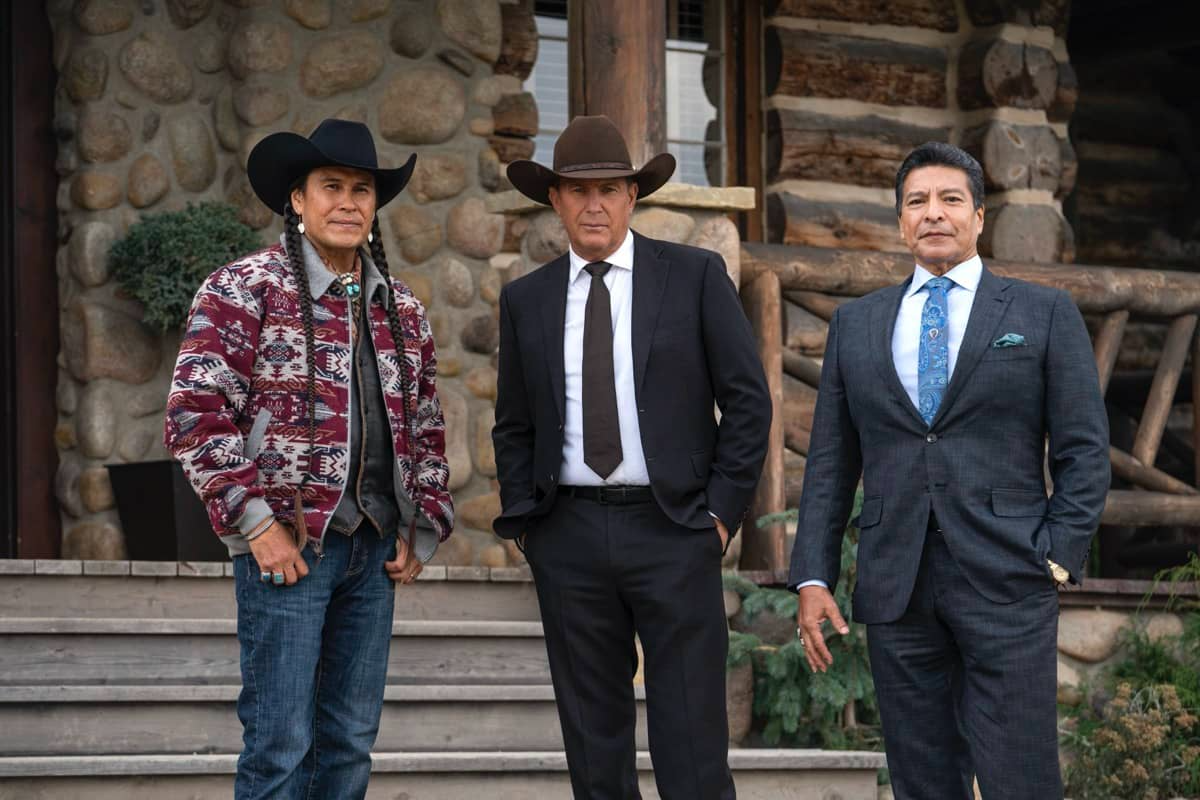
John Dutton — The Face of Legacy Warfare
Strength
John doesn’t negotiate the land — he speaks as if it already answered to him. His leadership is rooted in heritage, family hierarchy, and an instinctive distrust of outsiders.
Fans love John because:
-
He protects the ranch like it’s a bloodline, not a business
-
He fights threats before they become announcements
-
His decisions are ruthless, but emotionally logical
-
He carries guilt quietly and authority loudly
Flaw
John’s war is personal, emotional, sometimes impulsive — and that makes fans question:
Was his leadership strategic, or emotional survival instinct in a cowboy hat?
Thomas Rainwater — Justice With Patience and Teeth
Strength
Rainwater doesn’t want to inherit land — he wants to correct history. His leadership is calculated, quiet, and rooted in a mission bigger than himself.
Fans defend Rainwater because:
-
He plays the long game, not the loud one
-
Every move has political and cultural leverage behind it
-
He weaponizes diplomacy like others weaponize guns
-
His fight isn’t emotional — it’s righteous
Flaw
His silence is his power, but also his vulnerability. Fans debate:
Did Rainwater control the story, or did the story simply respect him too much to interrupt?
Dan Jenkins — The Man Who Tried to Buy a World That Wasn’t for Sale
Strength
Jenkins came into Yellowstone like a man who believed money was language everyone spoke. He saw potential where others saw threat, and business where others saw inheritance.
Fans remember Jenkins because:
-
He challenged the ranch with capital, not bullets
-
He didn’t fear the Duttons, he studied them
-
He represented the world outside Montana’s mythmaking
-
He almost reshaped the stakes entirely
Flaw
Jenkins didn’t fail because he wasn’t smart.
He failed because he thought the land could be bought without consequence.
Fans debate now:
Was Jenkins the smartest outsider, or the biggest misread of Montana’s rules?
So Who Played It Best? Fans Choose, But They Don’t Agree
| Character | The War | The Tool |
|---|---|---|
| John Dutton | Inheritance & Protection | Family loyalty, instinct, force |
| Thomas Rainwater | Reclamation & Justice | Diplomacy, leverage, patience |
| Dan Jenkins | Market disruption | Capital, influence, strategy |
The question that ignites every comment thread:
Is legacy stronger than justice?
Is justice stronger than money?
Is money ever stronger than the land itself?