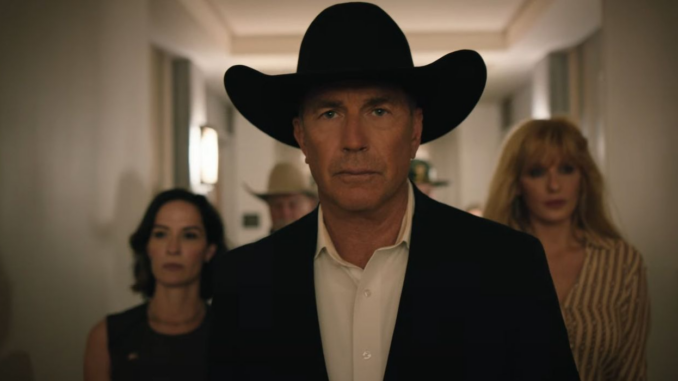
Yellowstone Season 5 came swinging harder than a cattle gate in a storm. With 14 episodes — the longest season in the show’s history, the saga pushed the Dutton family deeper into power struggles, moral sacrifices, and emotional trench warfare. But while the season was built to enthrall, it ended up doing something far more explosive: making fans question whether the Duttons are still human… or Marvel characters in cowboy hats.
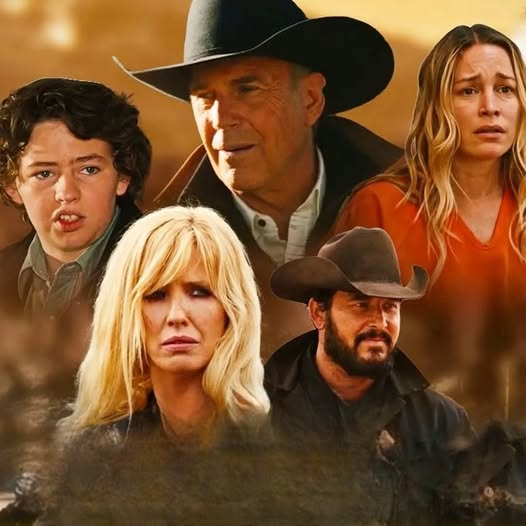
The Duttons: Ranch Dynasty or Origin Story Franchise?
The season’s official logline sounded grounded enough. A deeper dive into legacy, leadership, loyalty, and betrayal. John Dutton overwhelmed by governance. Beth going nuclear on corporate enemies. Kayce spiraling through trauma. Monica absorbing tragedy like emotional osmosis. And Rip Wheeler? The immovable force, the family shield, the ranch’s grim reaper with a moral compass set permanently to “Protect the Duttons.”
Yet the fandom reaction didn’t focus on the ranch politics. Instead, it focused on the mythology of the cast itself:
“They don’t run a ranch anymore. They run plot armor.”
John Dutton: Governor or Godfather With a Gavel?
John’s storyline in Season 5 was meant to depict the crushing weight of leadership. But fans quickly reframed it into something less political and more biblical.
Critics argue his arc resembles a man who carries the entire state of Montana in his back pocket:
-
“John Dutton doesn’t govern… he inherits consequences and still outranks them.”
-
“He doesn’t face pressure, pressure faces him.”
The show clearly intended to show leadership fatigue. But instead, it canonized him as a cowboy deity who never actually loses.
Beth Dutton: The Unburnable Flame or the Unkillable Fan Edit Queen?
Beth’s ferocity has always been part of her appeal — sharp tongue, sharper instincts. But by Season 5, that ferocity crossed a new threshold.
Fans started calling her:
-
“Corporate arson in human form”
-
“A villain generator Sheridan can’t stop writing”
-
“A woman who solves problems by exploding them first”
Even fans who adore Beth are now questioning the escalation:
“Beth’s power isn’t character growth. It’s narrative inflation.”
Rip Wheeler: Protector or Plot Device With Spurs?
Rip was always the stoic heart of the series. But this season’s length gave him more screen time to not speak, stare intensely, and emotionally support through silence than most shows give to entire characters’ careers.
The controversy now?
-
“Rip protects the ranch better than the writers protect logic.”
-
“He doesn’t stand beside family. He stands in front of consequences like a human NDA.”
-
“He’s not a character anymore. He’s a tone setting.”
Fans argue that every silent nod Rip gives now feels less like emotional restraint and more like a signature move that’s being trademarked by Cole Hauser himself.
Kayce & Monica: Trauma or Telenovela?
Meanwhile, the quieter characters — Kayce and Monica — were meant to ground the series emotionally. But even their arcs were reframed by fans as dramatic archetypes instead of lived experiences.
Some fans are now saying:
“Kayce battles demons, but the show battles subtlety.”
And Monica?
“Quiet strength or silent suffering: pick a genre, Sheridan.”