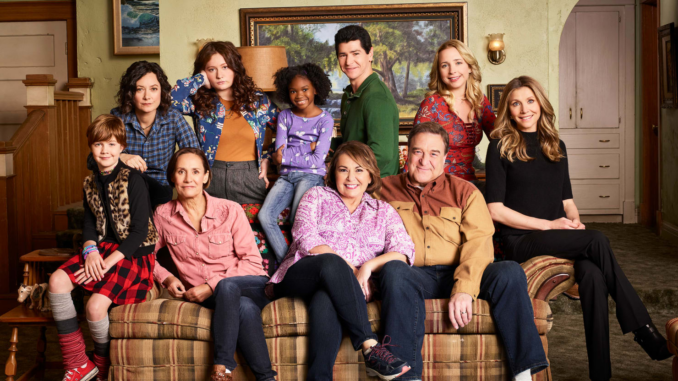
There are shows you watch for entertainment, and then there are shows that leave a mark you can’t quite explain. Roseanne belongs to the second category — a series that didn’t just tell a story, but quietly pulled viewers into an emotional experience that felt far too real to ignore. What made it dangerous wasn’t its humor, but how easily that humor disarmed you before revealing something much heavier underneath. One moment you were laughing at a sarcastic line from Roseanne Barr, and the next, you were staring at a situation that mirrored real-life struggles most people try to hide.
The brilliance of the show lies in how it normalized discomfort. Arguments between Roseanne and Dan, played by John Goodman, didn’t feel scripted — they felt overheard, like something too personal to be on television. Financial stress wasn’t a subplot; it was a constant presence. Dreams didn’t just fail — they disappeared quietly, replaced by survival. And that’s where “Roseanne” did something almost no sitcom dared to do: it refused to resolve pain neatly. There were no perfect lessons, no clean endings, just people trying, failing, and trying again. 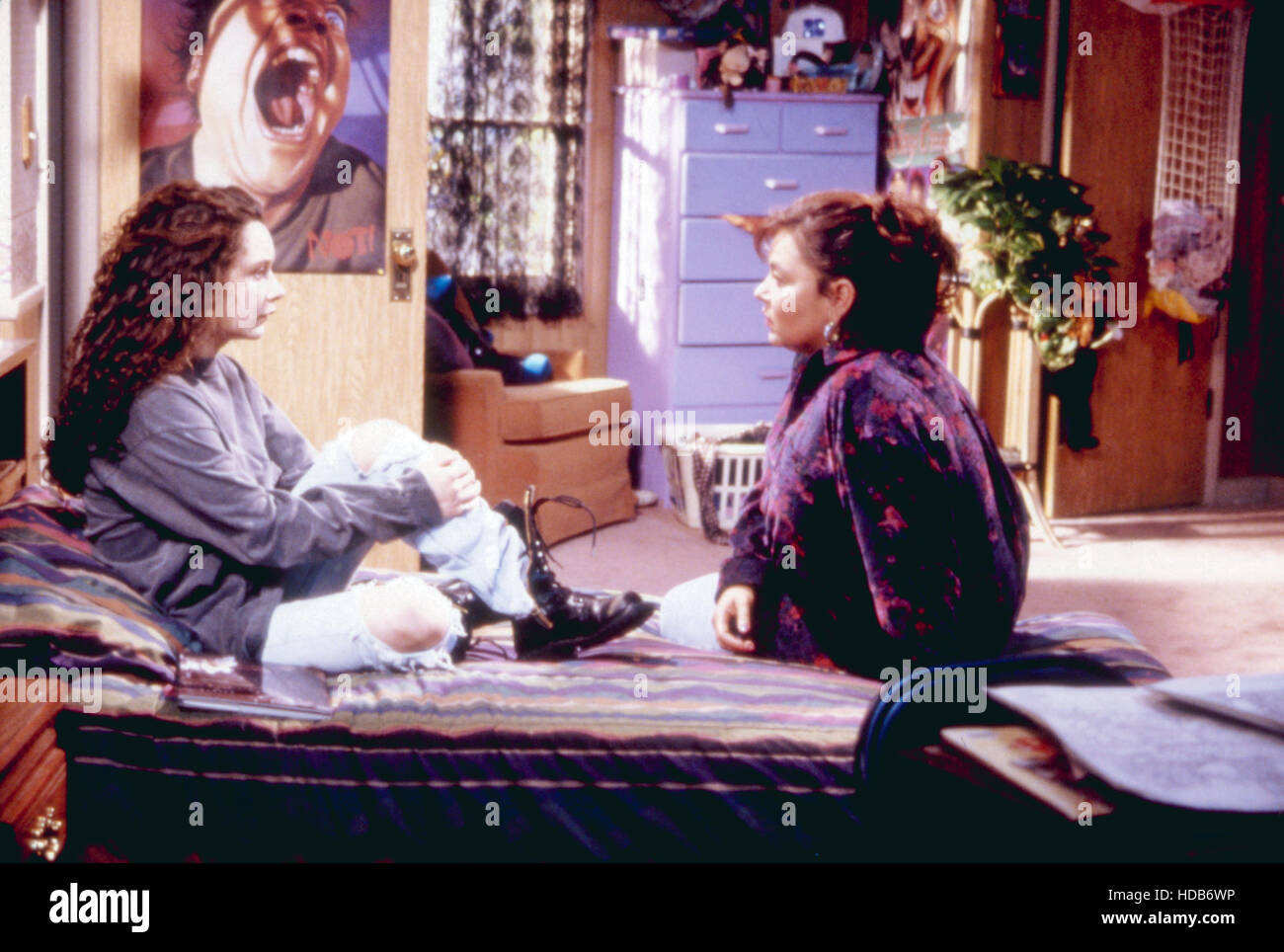
But what truly pushed the series into unforgettable territory was its ability to blur the line between fiction and emotional truth. As the story progressed, the tone shifted in subtle but unsettling ways, forcing viewers to question not only what they were watching, but how much of it reflected something deeper about real life. By the time the show reached its most controversial narrative turns, it had already conditioned its audience to expect honesty — which made those moments hit even harder. It didn’t feel like a twist for shock value; it felt like the final layer of a reality too complex to present in a simple, linear way.
That is why “Roseanne” still resonates today. In a world dominated by curated perfection and filtered happiness, the show stands as a reminder of something far less comfortable but far more authentic: life is messy, unpredictable, and often unfair. And sometimes, the most powerful stories aren’t the ones that make you feel good — they’re the ones that make you feel seen.