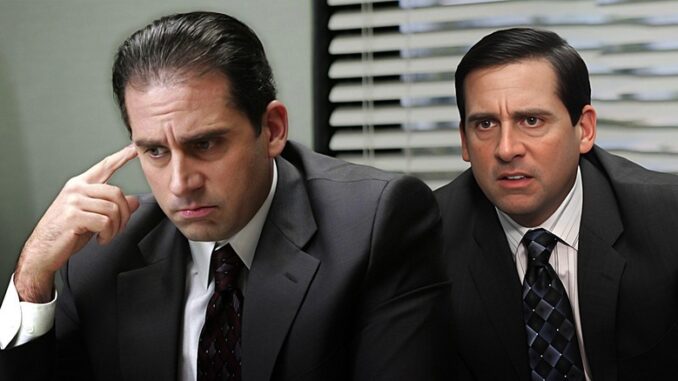
Michael Scott’s New Look After The Office Season 1 Was More Important Than You Think
When people talk about The Office, they usually jump straight to iconic moments—“That’s what she said,” the Dundie Awards, or Michael Scott declaring bankruptcy by yelling it out loud. But here’s something most fans overlook: Michael Scott’s appearance change after Season 1 wasn’t cosmetic—it was strategic, psychological, and absolutely essential to the show’s success.
Sounds dramatic? Stick with me. Because this seemingly small makeover quietly reshaped Michael Scott’s character, softened audience perception, and helped turn The Office from an awkward experiment into one of the most beloved sitcoms of all time.
Let’s break it all down.
The Problem With Michael Scott in Season 1
Too Close to the British Version
Season 1 Michael Scott was almost a carbon copy of David Brent from the UK version of The Office. And while that worked overseas, American audiences weren’t buying it.
Michael wasn’t just awkward—he was harsh, smug, and borderline unlikable.
Why His Look Mattered More Than You Realize
Visual storytelling is powerful. Before Michael even spoke, his appearance told us who he was:
-
Greasy, slicked-back hair
-
Ill-fitting suits
-
Permanently tense posture
He looked like a guy trying way too hard—and failing.
And viewers felt that discomfort instantly.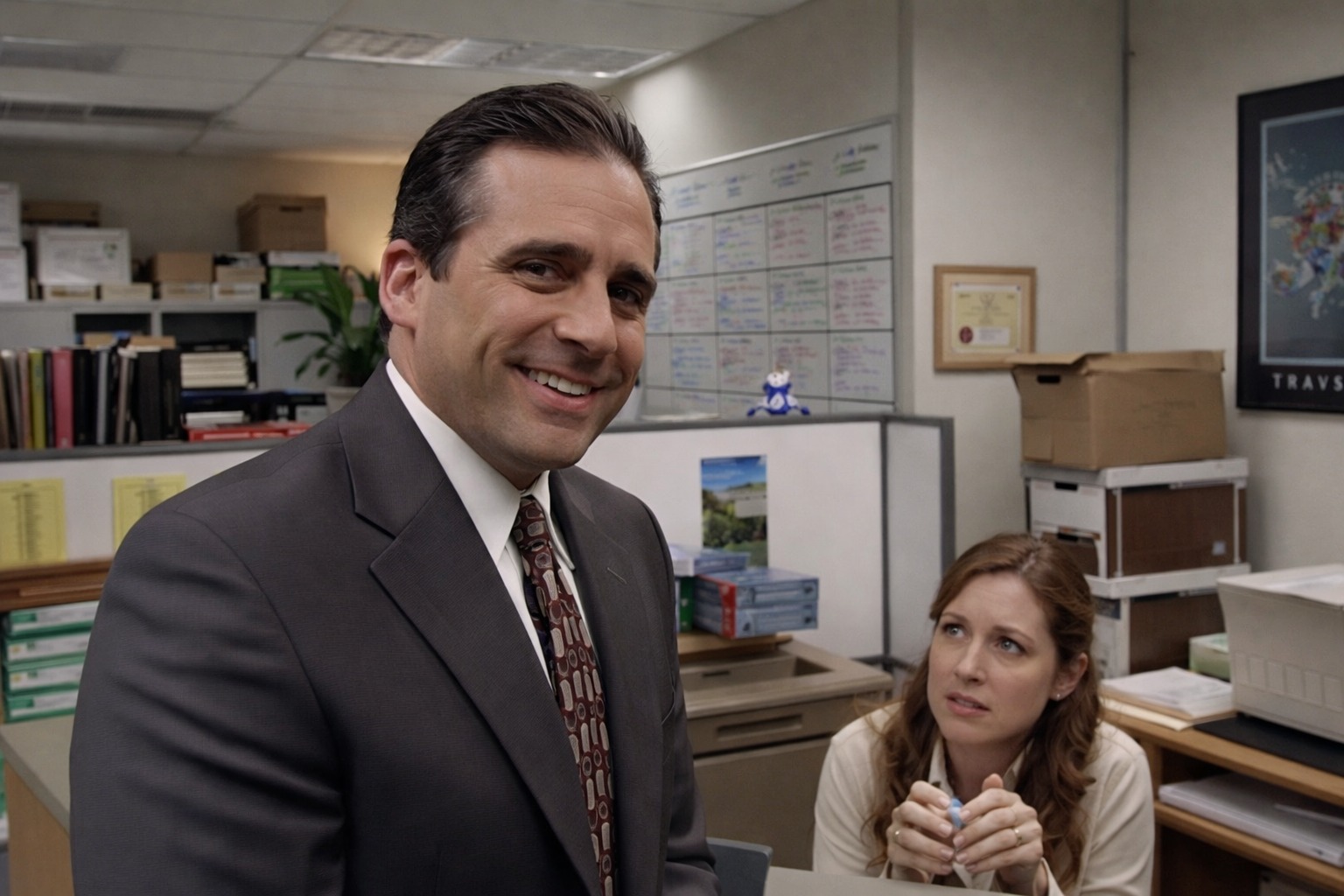
The Season 2 Makeover That Changed Everything
A Softer Hairstyle, A Softer Michael
Season 2 rolled in with subtle but meaningful changes:
-
Hair was cleaner, shorter, and less aggressive
-
Wardrobe fit improved
-
Facial expressions felt warmer
Nothing flashy. But everything intentional.
This wasn’t about fashion. It was about accessibility.
Why Michael Needed to Be Lovable—Not Just Funny
Comedy Needs Emotional Buy-In
Here’s the truth: people won’t laugh with someone they don’t care about.
Season 1 Michael felt like someone you wanted to escape from, not root for.
Season 2 Michael? Still cringe—but now he felt human.
The Psychology Behind the New Look
Appearance Shapes Audience Empathy
When Michael looked less abrasive, viewers subconsciously relaxed. His flaws became endearing instead of exhausting.
Think of it like this:
Season 1 Michael was a locked door.
Season 2 Michael cracked it open just enough for us to step inside.
Steve Carell’s Influence on the Transformation
The Actor Knew What the Character Needed
Steve Carell pushed for a more emotionally layered Michael Scott. He didn’t want a caricature—he wanted a person.
That meant changing how Michael looked so audiences could better accept how he felt.
Costume Design as Silent Storytelling
Why Wardrobe Choices Matter
Costume designers subtly adjusted:
-
Color tones (less harsh contrast)
-
Suit tailoring
-
Overall cleanliness
Michael started looking like a guy who wanted to be liked—not someone daring you to hate him.
From Boss You Hate to Boss You Pity
The Emotional Shift That Saved the Show
Once Michael looked more approachable, his behavior felt tragic instead of cruel.
His desperate need for approval became relatable.
And suddenly, viewers weren’t laughing at him anymore—they were laughing with him.
How the New Look Changed Character Dynamics
Michael and Jim
Jim’s reactions shifted from pure annoyance to amused tolerance.
Michael and Pam
Pam’s kindness toward Michael felt earned, not forced.
Michael and Dwight
Dwight’s loyalty made more sense once Michael felt less like a tyrant and more like a lost leader.
Ratings Don’t Lie
Season 2 Was the Turning Point
NBC nearly canceled The Office after Season 1.
Season 2’s retooling—including Michael’s new look—helped stabilize ratings and build momentum that would last nine seasons.
Coincidence? Not a chance.
The Risk of Keeping Season 1 Michael
Why the Show Would’ve Failed
Had Michael remained visually and emotionally rigid:
-
Viewers would’ve disengaged
-
Characters would’ve felt trapped
-
Comedy would’ve turned mean-spirited
The makeover prevented all of that.
Why This Change Still Matters Today
Lessons for Modern TV Writing
Michael Scott’s transformation proves:
-
Characters must evolve visually and emotionally
-
Small changes can create massive impact
-
Comedy works best when grounded in empathy
It’s a masterclass in long-form character development.
The Office Didn’t Just Fix Michael—It Perfected Him
Evolution, Not Erasure
Michael didn’t stop being awkward.
He didn’t stop being inappropriate.
He didn’t stop being Michael Scott.
He just became someone we could love.
What Fans Still Miss About This Detail
It Was Never Announced
No makeover episode.
No dialogue explaining it.
No flashy reveal.
Just a quiet shift—and suddenly everything clicked.
Why This Subtle Change Is Genius TV Craft
Show, Don’t Tell—Done Right
Instead of rewriting Michael from scratch, the show adjusted how we saw him.
And perception changes everything.
Conclusion: A Haircut That Changed Television History
Michael Scott’s new look after The Office Season 1 wasn’t about style—it was about survival.
It softened the character, opened emotional doors, and gave audiences permission to care. Without it, The Office may have faded into obscurity instead of becoming a cultural landmark.
Sometimes, the smallest changes make the biggest difference.
And in this case, a haircut helped save a show.