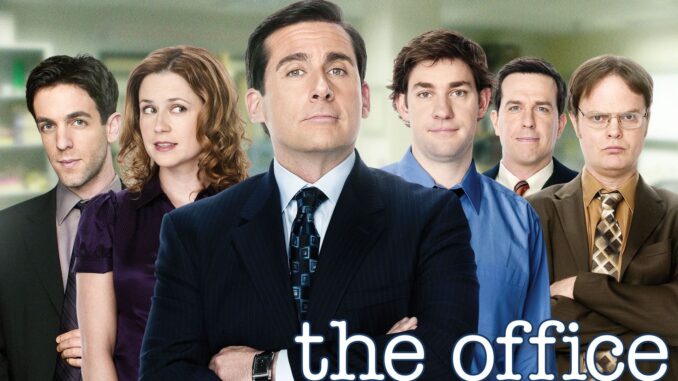
Why The Office Became a Global Cultural Phenomenon
When The Office first aired in the UK in 2001, nobody predicted it would become one of the most exported comedy formats in television history. Yet here we are — with more than a dozen international adaptations, each reshaping the same core workplace dynamics for different cultures.
The reason? Simple. Every workplace has:
-
The awkward boss
-
The charming prankster
-
The relatable romantic lead
-
The intense rule-follower
These four personality types became the DNA of every adaptation worldwide. And yes — that’s why versions exist in countries like India, Sweden, Chile, Poland, and Saudi Arabia.
How Many Versions of The Office Exist Around the World?
As of the mid-2020s, the show expanded into at least 13 major international adaptations, including:
-
UK (Original)
-
USA
-
Germany
-
France
-
Canada
-
Chile
-
Israel
-
Sweden
-
Czech Republic
-
Finland
-
India
-
Poland
-
Saudi Arabia
Later, Australia joined as another remake, showing how unstoppable the format is globally.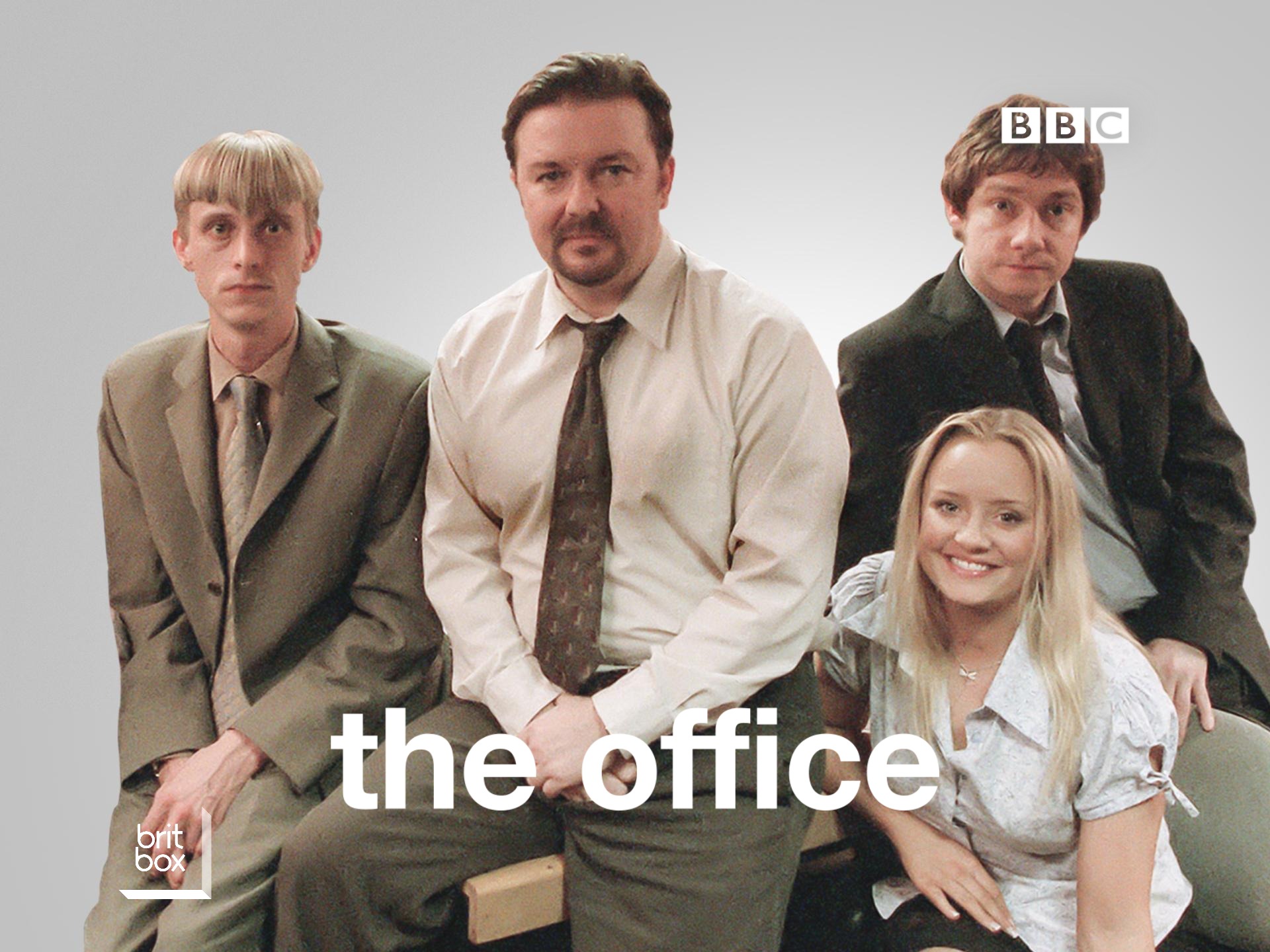
The Universal Formula — Why These Four Characters Always Exist
At its core, The Office isn’t about paper companies. It’s about people.
Every version keeps four emotional anchors:
| Archetype | Emotional Role |
|---|---|
| Michael Type | Chaos + Leadership |
| Jim Type | Humor + Relatability |
| Pam Type | Heart + Humanity |
| Dwight Type | Conflict + Comedy |
These roles are flexible enough to survive translation into any culture.
Michael Scott — The Lovable Disaster Boss Archetype
The Original Blueprint — David Brent (UK)
The boss character started with David Brent — awkward, insecure, and desperate to be liked.
The original UK version established the template that all other versions adapted.
The American Evolution — Michael Scott
The U.S. version softened the boss character. Michael Scott became more emotional, more loyal, and surprisingly lovable over time.
How Other Countries Adapted the Boss Character
Globally, the boss character often reflects national workplace culture:
-
Some are more strict
-
Some are more clueless
-
Some are more corporate
-
Some are more family-style leaders
But they all share one thing: social awkwardness.
Jim Halpert — The Audience Surrogate
Tim Canterbury — The Original Jim
Tim from the UK version set the tone: sarcastic, intelligent, emotionally grounded.
Why Every Version Needs a “Jim”
The Jim character acts like the viewer’s voice inside the story.
He reacts the way we would react to workplace insanity.
Global Variations of Jim
Some versions make him:
-
More romantic
-
More sarcastic
-
More ambitious
-
More rebellious
But he’s always the emotional center.
Pam Beesly — The Emotional Heart of The Office
Dawn Tinsley — The Original Pam
In the UK, Dawn represented quiet dreams and workplace stagnation — something millions of people relate to.
Why Every Culture Needs a “Pam” Character
Pam is:
-
The emotional anchor
-
The moral compass
-
The relatable dreamer
Without Pam, the show would feel too cynical.
The Global Transformation of Pam
Across versions, Pam might be:
-
More independent
-
More career-focused
-
More outspoken
-
More traditional
But she always represents hope.
Dwight Schrute — The Chaos Engine
H3: Gareth Keenan — The Original Dwight
Gareth was obsessed with rules, authority, and hierarchy — the perfect workplace antagonist.
Why Dwight Exists in Every Version
Because every workplace has:
-
The rule enforcer
-
The teacher’s pet
-
The coworker who takes things way too seriously
How Countries Customize the Dwight Character
Some versions make Dwight:
-
More militaristic
-
More nerdy
-
More aggressive
-
More socially awkward
But he always drives conflict and comedy.
Cultural Differences in Character Personality
Here’s where it gets fascinating.
In some countries:
-
Bosses are more authoritarian
-
Romance is slower or more subtle
-
Humor is darker or more physical
-
Workplace hierarchy is stronger
Yet the character framework remains recognizable.
Why The Four-Character Structure Works Globally
Think of it like a band:
-
Michael = Lead singer (chaos + spotlight)
-
Jim = Guitar (cool + rhythm)
-
Pam = Bass (emotional foundation)
-
Dwight = Drums (energy + tension)
Remove one — and the show loses balance.
The Psychological Reason Viewers Love These Characters
They represent real workplace roles:
-
The boss we complain about
-
The coworker we joke with
-
The person we secretly admire
-
The person who drives us crazy
That’s why the concept travels across languages and cultures.
The Office as a Mirror of Global Work Culture
Even though settings change — paper company, insurance office, or logistics company — the emotional structure stays identical.
Because work anxiety is universal.
The Future of The Office Franchise
With new versions still appearing, the formula clearly still works. Australia’s adaptation even experimented with changing the boss role, proving the concept is flexible.
What Makes The Office Truly Timeless
It’s not the jokes.
It’s not the documentary format.
It’s the characters.
They feel like people we know.
Conclusion
Across 13 international versions of The Office, one truth remains constant: storytelling built on human psychology always travels well. Michael, Jim, Pam, and Dwight aren’t just characters — they’re emotional archetypes that exist in workplaces everywhere.
Whether you’re in London, Scranton, Mumbai, or Riyadh, you’ve met these people before. Maybe you are one of them.
And honestly? That’s what makes The Office feel less like a TV show — and more like a mirror.