The Price of True Love: Why One Scene in The Office Cost $250,000
When you think of high-budget television, your mind probably drifts toward fire-breathing dragons in Game of Thrones or the sprawling, cinematic battles of The Last of Us. You usually don’t think of a grainy gas station in the middle of a rainstorm. Yet, for the creators of The Office, one fleeting moment between Jim Halpert and Pam Beesly required a budget that would make most accountants weep.
We aren’t talking about a massive explosion or a CGI-heavy alien invasion. We’re talking about a proposal. Specifically, the “Weight Loss” episode proposal. For a show filmed in a mockumentary style—often characterized by its “cheap” and “gritty” aesthetic—dropping $250,000 on a single scene was a massive gamble. But as any die-hard fan will tell you, it was worth every single penny.
Breaking Down the $250K Price Tag
You might be asking, “How on earth does a gas station scene cost a quarter of a million dollars?” It’s a fair question. Most of the show was filmed on a soundstage or around relatively mundane locations in Van Nuys, California. However, Greg Daniels, the show’s creator, had a very specific vision for the moment Jim finally asked Pam to marry him.
Location, Location, Location
The production team didn’t just find a local gas station and pull over. They actually built a replica of a Merritt Parkway rest stop from West Cornwall, Connecticut. They constructed it in the parking lot of a Best Buy in California. Why? Because the real location wouldn’t allow the level of control needed for the “perfect” rainy atmosphere.
The Artificial Rain Machine
Nature is notoriously difficult to direct. To get that quintessential, melancholy-yet-hopeful East Coast rain, the crew brought in giant rain towers. These weren’t your average garden hoses. We are talking about professional-grade irrigation systems designed to create a downpour that looked authentic on camera. Controlling that much water—and ensuring the actors remained visible through the “curtain”—is a logistical and financial nightmare.
The Creative Risk Behind the Proposal
Usually, sitcoms save their big moments for season finales or exotic locations. Think of Friends going to London or The Big Bang Theory heading to the Nobel Prize ceremony. The Office did the exact opposite.
Why a Gas Station?
Greg Daniels wanted the proposal to feel real. In real life, big life shifts don’t always happen on top of the Eiffel Tower. Sometimes, you just can’t wait another minute. Jim proposing at a rest stop midway between Scranton and New York City was the ultimate testament to his character. It was impulsive, grounded, and deeply human.
The “Anti-Climax” That Captured Hearts
By spending so much money on such a “boring” location, the show reinforced its core philosophy: the most mundane moments are often the most significant. The high cost ensured that despite the “ugly” setting, the cinematography felt cinematic. The high-speed traffic zooming behind them (which was also choreographed and paid for) added a sense of urgency and “real-world” chaos to their private bubble.
Behind the Scenes: The Logistics of a Mega-Scene
Building a gas station from scratch is one thing, but making it look like it has existed for thirty years is another. The “set dressing” for this scene was meticulous.
-
Authentic Signage: Every snack wrapper and soda advertisement was curated.
-
Traffic Coordination: Dozens of professional drivers were hired to cruise past at specific speeds to simulate a busy highway.
-
The Sound Mix: Balancing the roar of the rain and the rushing cars with the quiet, whispered dialogue of John Krasinski and Jenna Fischer was a feat of audio engineering.
The Impact on the Series’ Legacy
If they had cheaped out, would we still talk about it? Probably not. The $250,000 investment bought the show a “moment in time” that felt distinct from the rest of the series.
A Pivot Point for Jim and Pam
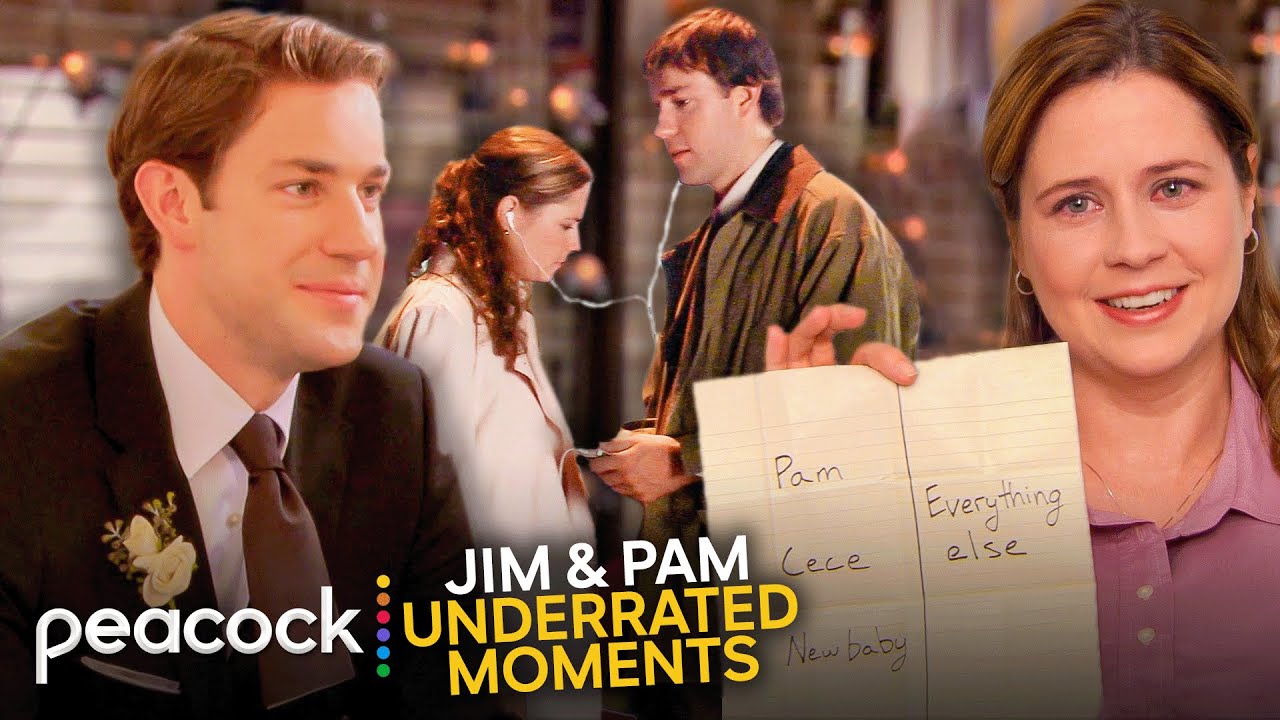
For four seasons, fans endured the “will-they-won’t-they” tension. This scene was the payoff. By making it the most expensive shot in the series, the producers signaled to the audience that the Jim and Pam relationship was the true heartbeat of the show, even more so than Michael Scott’s antics.
Setting a New Standard for Sitcoms
This move showed other creators that you don’t need a “bottle episode” or a special guest star to justify a big budget. You just need a story that demands it. It proved that “cinematic” doesn’t have to mean “glamorous.”
Comparing it to Other Iconic “Office” Moments
To put that $250K into perspective, let’s look at other famous scenes.
The “Stress Relief” Fire Drill
While the Season 5 opener featuring Dwight’s fire drill was chaotic and involved cats falling through ceilings and heart attacks, it relied mostly on the existing office set. The costs there were largely in stunts and physical comedy, rather than building an entire environment from the ground up.
Michael’s “Threat Level Midnight”
Michael Scott’s amateur film took years of “in-universe” time to make, but for the actual production, it was a series of vignettes filmed quickly. While it had more “sets,” none of them required the structural engineering of the Connecticut rest stop.
Was It Really “Unexpected”?
For the fans, absolutely. Most people expected the proposal to happen at a Dundies award ceremony or perhaps a fancy dinner after Pam returned from art school. To see it happen at a soggy, grey gas station caught the world off guard.
For the production team, it was a calculated strike. They knew that to make a “normal” moment feel “extraordinary,” they had to control every single molecule of the environment.
Conclusion: Why Every Penny Mattered
At the end of the day, The Office is a show about people. It’s about the small joys found in a dreary workplace. By spending $250,000 on a gas station proposal, the creators put their money where their mouth was. They treated a mundane interaction with the same reverence a blockbuster director treats a car chase. It remains one of the most beautiful, surprising, and fiscally daring moments in television history.