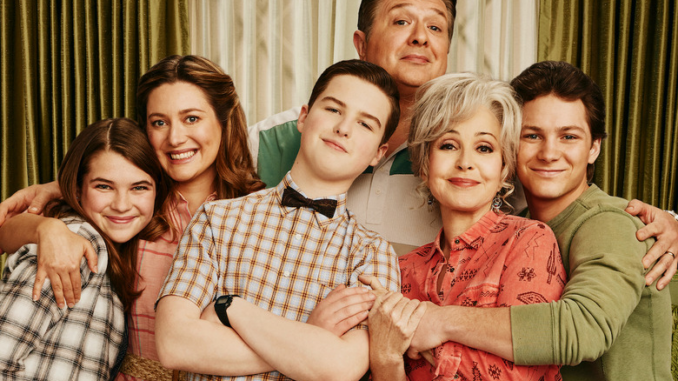
At a time when most TV shows limp toward cancellation, Young Sheldon did the unthinkable—it ended while still wildly popular. Strong ratings. Loyal fans. Cultural relevance. By all traditional measures, the show had years left in the tank.
So why did Young Sheldon, one of television’s most successful sitcoms, come to an end in 2024?
The short answer? It wasn’t canceled.
The longer answer? It’s a mix of storytelling integrity, cast realities, franchise strategy, and knowing when to walk away while the applause is still loud.
Let’s unpack the real reasons behind the ending of Young Sheldon—and why stopping now may have been the smartest move of all.
How Young Sheldon Became a TV Phenomenon
A Spin-Off That Beat the Odds
Spin-offs rarely outperform expectations. Young Sheldon didn’t just succeed—it thrived. What started as a gamble based on The Big Bang Theory became a standalone hit with its own identity.
Why Audiences Fell in Love
The show balanced humor with heart. It wasn’t just about genius-level intellect—it was about family, growing pains, and being different in a world that doesn’t always understand you.
Young Sheldon’s Ratings Were Still Strong
The Numbers Never Failed
Even in its final season, Young Sheldon remained one of CBS’s highest-rated scripted series. Viewership stayed consistent, and the show performed exceptionally well in syndication and streaming.
So This Wasn’t a Ratings Problem
Let’s be clear: Young Sheldon did not end because people stopped watching. Quite the opposite.
The Ending Was a Creative Decision—Not a Cancellation
Ending on Purpose, Not by Force
CBS and the creative team made a conscious choice to end the series. That distinction matters.
Why Creative Control Matters
Too many shows overstay their welcome. Young Sheldon chose restraint—and that takes confidence.
Sheldon Cooper’s Timeline Was Catching Up
Canon Is a Powerful Thing
Fans of The Big Bang Theory already know Sheldon’s future. As Young Sheldon progressed, it began to close in on events that were already established.
The College Problem
Once Sheldon leaves for college, the heart of the family-based storytelling changes. Stretching that transition could have damaged the show’s emotional core.
Iain Armitage Was Growing Up—Fast
You Can’t Freeze Time
One of the show’s biggest strengths—Sheldon’s youth—was also its biggest limitation. Iain Armitage was visibly aging, and the timeline was getting harder to justify.
Why This Matters for Authenticity
The show thrived on realism. Ignoring obvious growth would have broken immersion.
The Cooper Family Was the Emotional Backbone
It Was Never Just Sheldon’s Story
Mary, George, Missy, and Meemaw carried just as much emotional weight as Sheldon himself.
Why Ending Early Preserved Their Legacy
Instead of dragging arcs past their natural conclusion, the show allowed each character a meaningful ending.
George Cooper’s Story Reached Its Inevitable Turning Point
A Known and Emotional Future
Fans knew George’s fate long before the show aired. Continuing past that point would have fundamentally changed the tone.
Why the Writers Chose Respect Over Shock
Rather than exploiting tragedy, the show opted for dignity and restraint.
CBS’s Bigger Franchise Strategy
Protecting the Big Bang Universe
Ending Young Sheldon doesn’t mean the universe is closing. It means it’s evolving.
Spin-Off Potential Lives On
By ending cleanly, CBS preserved goodwill—and future storytelling options.
Why Ending at the Top Is So Rare
Most Shows Don’t Get This Choice
Networks usually cancel shows after decline. Young Sheldon walked away during success.
That’s a Power Move
Ending strong ensures the show is remembered fondly—not as something that faded.
The Creative Team Wanted a Complete Story
No Padding, No Filler
Every season served a purpose. No unnecessary extensions. No half-baked arcs.
A Beginning, Middle, and End
That’s classic storytelling—and increasingly rare in modern TV.
Fan Reaction: Shock, Sadness, and Respect
“Why End Now?”
That was the most common reaction. Fans weren’t ready to say goodbye.
But Gratitude Won Out
As emotions settled, many viewers appreciated that the show didn’t overstay its welcome.
Streaming Success Changed the Math
Longevity Beyond Broadcast
Young Sheldon will live on through reruns and streaming platforms.
Ending Doesn’t Mean Disappearing
In many ways, the show’s life is just beginning.
How Young Sheldon Avoided the Sitcom Curse
No Character Regression
Characters grew instead of resetting every season.
Emotion Over Gimmicks
The show trusted its audience—and that trust paid off.
What the Final Season Did Right
Meaningful Goodbyes
The final episodes focused on reflection, growth, and family.
No Forced Twists
It didn’t try to shock viewers—it tried to honor them.
Why Young Sheldon’s Ending Feels Different
Because It Was Earned
Every emotional beat landed because it had been built carefully over years.
It Respected Its Audience
And audiences never forget that.
Could Young Sheldon Ever Return?
Never Say Never
Revivals, specials, or spin-offs are always possible.
But the Core Story Is Complete
And that’s exactly how it should be.
What Young Sheldon Leaves Behind
A Gold Standard for Spin-Offs
It proved spin-offs can surpass expectations.
A Show With Heart
In a cynical TV era, Young Sheldon chose sincerity.
Final Thoughts: Ending Was the Right Call
So why did Young Sheldon end in 2024—even though it was one of TV’s most popular shows?
Because it knew when to stop.
Because the story was complete.
Because the characters deserved dignity.
Because greatness isn’t measured by how long something lasts—but by how well it’s remembered.
And by that measure, Young Sheldon didn’t just end—it succeeded.
FAQs
1. Was Young Sheldon canceled?
No. The show ended by creative choice, not cancellation.
2. Were ratings declining?
No. Ratings remained strong through the final season.
3. Did Iain Armitage’s age affect the decision?
Yes. His growth made the timeline increasingly difficult to maintain.
4. Does this mean the Big Bang universe is over?
No. Future spin-offs or projects remain possible.
5. Was the ending planned in advance?
Yes. The creative team intentionally structured the final season to provide closure.