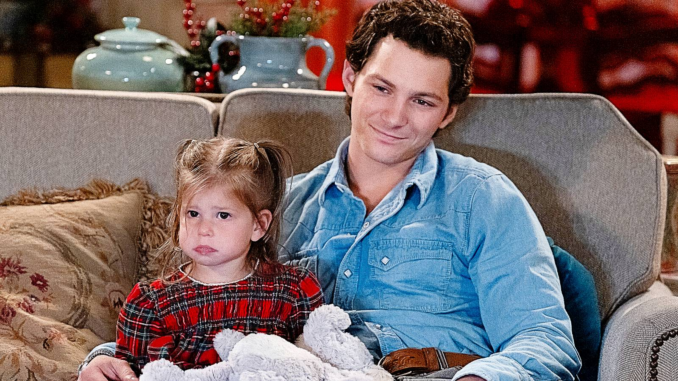
Young Sheldon’s Most Bizarre Cameo Gimmick Won’t Fly In Georgie & Mandy’s Spinoff
Introduction: When a Clever Trick Stops Being Clever
Let’s be honest—Young Sheldon got away with a lot. Between the narration, timeline bending, and emotional callbacks to The Big Bang Theory, the show mastered the art of nostalgia-powered storytelling. But one gimmick, in particular, stands out as both clever and strange: its unconventional cameo strategy.
The problem? What worked beautifully in Young Sheldon could crash and burn in Georgie & Mandy’s spinoff.
Why? Because the rules have changed. The tone is different. The emotional center has shifted. And that bizarre cameo gimmick? It no longer fits the world it’s entering.
Let’s break down exactly why Young Sheldon’s most unusual cameo device won’t survive the transition—and what that means for the future of the franchise.
Understanding Young Sheldon’s Cameo Gimmick
Not Your Typical Cameo
Unlike traditional sitcom cameos—where characters physically appear—Young Sheldon leaned heavily into conceptual and narrative cameos.
These included:
-
Voiceovers from older Sheldon
-
Emotional callbacks to future events
-
Off-screen references that only Big Bang Theory fans would recognize
It wasn’t about who showed up—it was about who was implied.
The Narration as a “Ghost Cameo”
Jim Parsons’ narration was the ultimate gimmick. Adult Sheldon wasn’t physically present, yet he hovered over every episode like a time-traveling observer.
It was clever.
It was emotional.
And yes—it was bizarre.
But it worked because Young Sheldon was literally about memory.
Why the Gimmick Worked in Young Sheldon
The Show Was Built on Retrospection
Young Sheldon is framed as a story being remembere
-
Bend timelines
-
Add emotional commentary
-
Foreshadow future heartbreak
The cameo gimmick felt organic because the entire show existed in hindsight.
Nostalgia Did the Heavy Lifting
Fans weren’t just watching a sitcom—they were revisiting a universe they already loved. That nostalgia softened the weirdness.
Think of it like a reunion slideshow. You expect commentary. You expect reflection.
Georgie & Mandy’s Spinoff Changes Everything
A Forward-Moving Story, Not a Memory
Here’s the big shift: Georgie & Mandy is not a retrospective.
It’s happening in the moment.
That means:
-
No future commentary safety net
-
No nostalgic framing device
-
No emotional voiceovers explaining why something matters
Without that structure, the cameo gimmick feels forced.
Different Protagonists, Different Rules
Sheldon was always an observer—even in his own story. Georgie and Mandy aren’t.
They’re impulsive.
They’re emotional.
They’re living consequences in real time.
A meta cameo style clashes with that realism.
Why the Cameo Gimmick Feels Out of Place
It Breaks Immersion
In Young Sheldon, breaking immersion was part of the charm. In Georgie & Mandy, it would feel like an interruption.
Imagine watching a grounded relationship scene—then suddenly getting a wink to the audience. It kills the mood.
Comedy vs. Continuity
The spinoff is expected to lean more into:
-
Relationship drama
-
Working-class struggles
-
Parenthood realism
A gimmicky cameo undermines that tonal balance.
The Risk of Over-Explaining the Story
Let the Characters Speak for Themselves
One reason the cameo gimmick worked before? Sheldon needed explanation.
Georgie doesn’t.
He’s emotionally transparent. His growth is visible. He doesn’t require a future version to clarify his mistakes.
Trust the Audience
Modern audiences are smarter than networks think. Overusing callbacks and gimmicks feels like hand-holding.
And nothing kills emotional impact faster than explaining it twice.
Why Fans Might Reject It This Time
Nostalgia Fatigue Is Real
What once felt like a warm hug now risks becoming a cheap trick.
Fans want:
-
New stories
-
New emotional stakes
-
Organic connections
Reusing the gimmick signals creative recycling.
Spinoffs Need Identity
Every successful spinoff stands on its own legs. If Georgie & Mandy relies too heavily on Young Sheldon’s tricks, it’ll feel like a shadow—not a successor.
The Structural Problem With Cameos
Who Is the Story For?
Cameo gimmicks work best when the audience shares the narrator’s perspective.
In this spinoff:
-
There is no future narrator
-
There is no framing voice
-
There is no “remembering”
So who’s talking to us—and why?
The Logic Doesn’t Hold
Without a clear narrative reason, the gimmick becomes illogical. And once logic breaks, emotional investment follows.
What the Spinoff Should Do Instead
Ground the Humor
The strongest moments in Young Sheldon weren’t the gimmicks—they were the quiet scenes.
Georgie & Mandy should:
-
Let comedy come from conflict
-
Let growth come from mistakes
-
Let emotion breathe
Build New Traditions
Instead of reusing old tricks, the show needs:
-
Its own running themes
-
Its own emotional callbacks
-
Its own identity
Why This Is Actually a Good Thing
Creative Growth Requires Risk
Dropping the gimmick forces better writing.
It demands:
-
Stronger dialogue
-
Deeper character arcs
-
More authentic storytelling
And that’s a win for everyone.
Evolution Keeps Franchises Alive
Franchises don’t die because they change—they die because they refuse to.
Final Verdict
Clever Once, Clumsy Twice
Young Sheldon’s bizarre cameo gimmick was lightning in a bottle. It worked because the show was designed for it.
But Georgie & Mandy is a different storm entirely.
Trying to reuse that gimmick would be like telling the same joke at a different party—it might get a polite smile, but the magic is gone.
Conclusion: Let the Spinoff Be Its Own Story
Young Sheldon earned its gimmicks through structure, tone, and nostalgia. Georgie & Mandy deserves the same chance—to earn its moments organically.
Sometimes the smartest creative move isn’t doubling down on what worked before.
It’s knowing when to let go.
FAQs
1. What was Young Sheldon’s most bizarre cameo gimmick?
It was the use of conceptual cameos—especially adult Sheldon’s narration acting as a meta presence rather than a physical appearance.
2. Why won’t this gimmick work in Georgie & Mandy?
Because the spinoff lacks the retrospective framing that justified the gimmick in Young Sheldon.
3. Will Georgie & Mandy reference Sheldon at all?
References are likely, but heavy meta narration or conceptual cameos would feel tonally inconsistent.
4. Do spinoffs usually struggle with reused gimmicks?
Yes. Audiences often reject reused tricks if they don’t serve the new story’s identity.
5. What should Georgie & Mandy focus on instead?
Grounded storytelling, emotional realism, and character-driven humor.