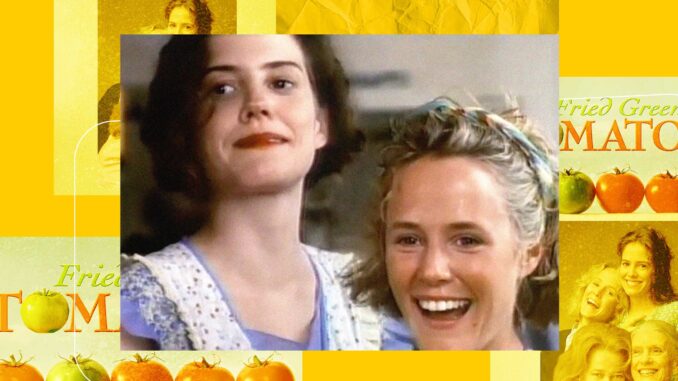
Anniversary re-releases are nothing new. Studios regularly bring back classic films for milestone celebrations, often relying on nostalgia to drive ticket sales. But what’s happening with Fried Green Tomatoes in 2026 feels far more deliberate—and far more ambitious.
With its theatrical return set for mid-May, the film is not being positioned as a simple throwback. Instead, it’s being framed as a rediscovery.
The release strategy itself reveals this shift. By aligning the theatrical rollout with its streaming resurgence on Netflix, the film is creating a synchronized experience across platforms. Viewers who discover it at home are being invited to experience it again—this time in a communal, cinematic environment.
And that difference matters.
Watching Fried Green Tom atoes alone allows for introspection. Watching it in a theater introduces collective emotion. Moments of humor land differently. Moments of grief feel heavier. Silence becomes shared rather than solitary. The story, which has always been intimate, suddenly expands into something communal.
This dual-format presence is also redefining how legacy films are marketed.
Instead of asking audiences to remember why they loved it, the campaign is encouraging them to reconsider why it matters now. Trailers emphasize emotional beats that align with contemporary themes—identity, resilience, chosen family—suggesting that the film is not just relevant, but urgently so.
And perhaps that’s the most important shift.
Because nostalgia looks backward.
This comeback is looking forward.