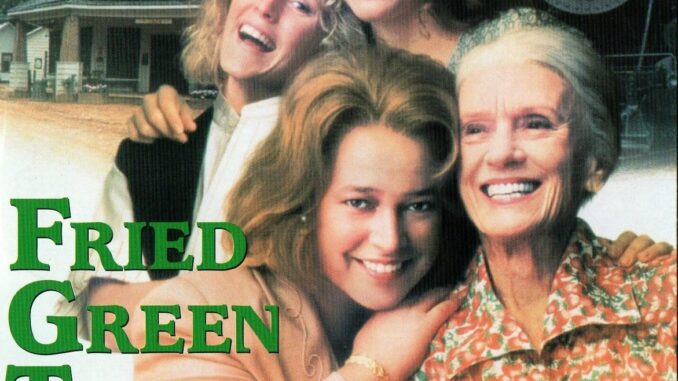
There are comeback stories… and then there’s what is happening to Fried Green Tomatoes right now.
By May 9, 2026, the film’s resurgence has evolved far beyond streaming nostalgia. What started as renewed attention from its arrival on Netflix and the upcoming 35th anniversary screenings has transformed into something much larger: a full-scale cultural reexamination.
And perhaps the most surprising part is that this movement is not being driven by studios or marketing campaigns.
It’s being driven by audiences.
Across social media and entertainment forums, viewers are discussing the film with an intensity usually reserved for prestige television or modern award-season dramas. Entire threads are dedicated to decoding emotional subtext, analyzing chara cter dynamics, and revisiting scenes that suddenly feel radically different in 2026 than they did decades ago.
But this resurgence is not merely about rediscovering an old favorite.
It’s about discovering new meanings inside it.
For younger viewers, the film feels startlingly contemporary. Evelyn’s emotional exhaustion resonates deeply in an era defined by burnout and identity crises. The film’s focus on chosen family and emotional reinvention feels increasingly aligned with modern conversations around healing and self-discovery.
Meanwhile, the relationship between Idgie and Ruth has become the emotional center of an entirely new discourse. What many audiences once viewed as implied is now being openly discussed with a level of honesty mainstream media avoided in the early 1990s.
And that reinterpretation is changing everything.
Because once audiences begin to see the film differently, every scene changes with it. A glance becomes loaded. Silence becomes intentional. Domestic intimacy suddenly carries emotional weight that previous generations were never encouraged to openly acknowledge.
What makes this moment so fascinating is that Fried Green Tomatoes itself hasn’t changed at all.
The world around it has.
And in 2026, that changing world may finally be allowing the film to become what it always quietly was: not just a nostalgic drama, but a layered emotional masterpiece hiding in plain sight for thirty-five years.