Netflix’s Bridgerton may be known for its romance and drama, but one of its most powerful storytelling tools is something viewers might overlook: the costumes.
According to a recent feature, the show’s wardrobe is far more than visually stunning—it plays a key role in shaping characters, signaling social status, and even reflecting emotional journeys. Rather than aiming for strict historical accuracy, the costume team intentionally blends Regency-era fashion with modern influences to create a more aspirational and visually striking world.
From the beginning, the designers approached the series with a clear goal: make it feel fresh, glamorous, and accessible to modern audiences. Drawing inspiration from classic fashion houses like Dior, they reimagined traditional silhouettes with contemporary fabrics, brighter colors, and more daring cuts. This creative choice helps set Bridgerton apart from typical period dramas, giving it a distinctive identity that feels both historical and modern at the same time.
The scale of the production is equally impressive. In its first season alone, the show featured around 7,500 costume pieces, each carefully designed and crafted. These outfits include intricate details such as embroidery, feathers, and layered fabrics, contributing to the show’s signature lavish aesthetic.
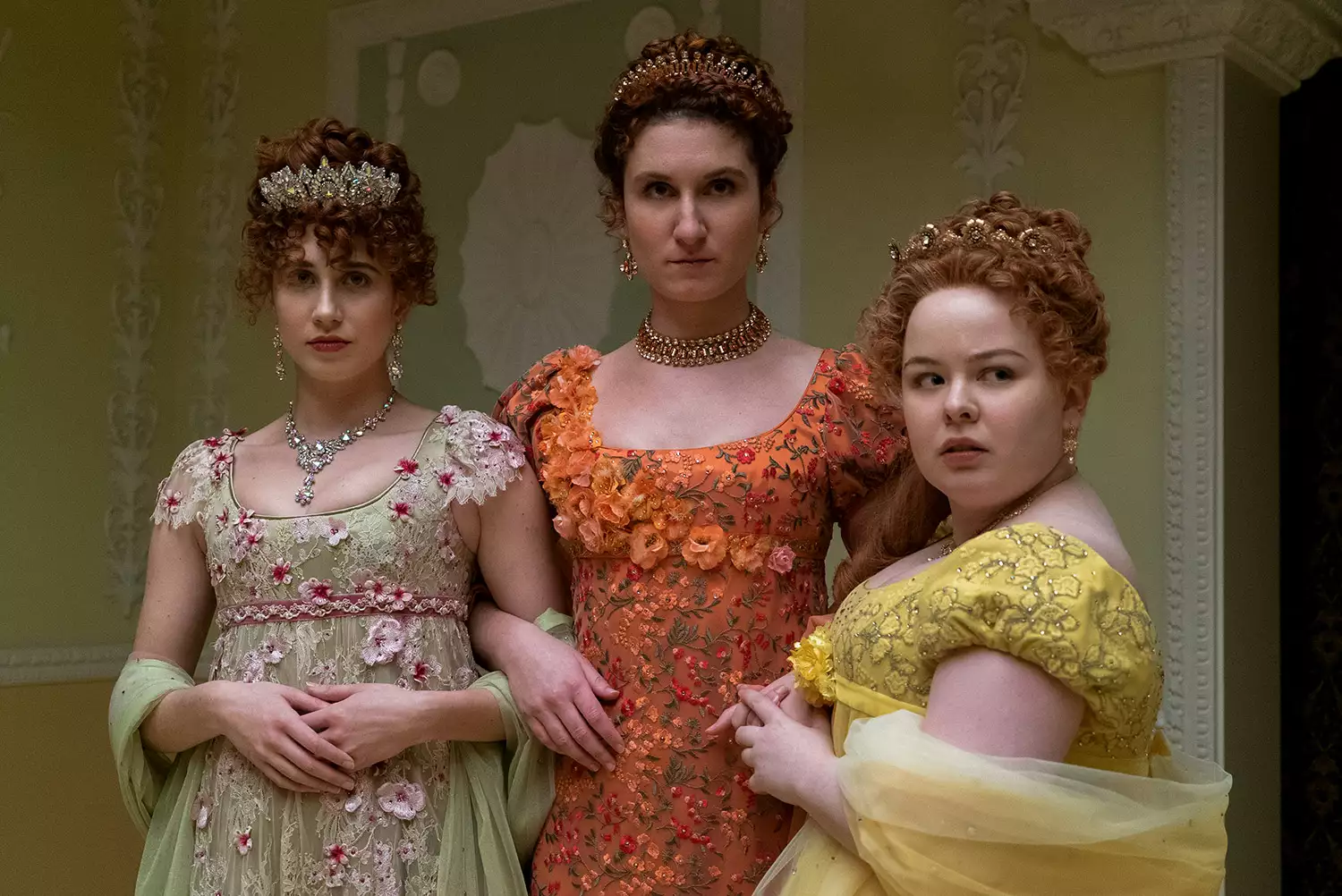
But beyond the spectacle, the costumes are deeply symbolic. Different families are instantly recognizable by their color palettes. The Bridgertons, for example, are typically dressed in soft pastel tones that reflect their established wealth and refined status. In contrast, the Featherington family is known for bold, bright colors—often citrus shades—that emphasize their desire to stand out and climb the social ladder.
Individual characters also experience visual transformations through fashion. Daphne Bridgerton’s wardrobe evolves over time, with subtle shifts in color marking key moments in her personal journey, including her transition into marriage. These changes are not random—they are carefully planned to mirror character development and emotional growth.
Even traditional elements like corsets have been adapted for the production. While corsets are essential to the show’s silhouette, designers modified them to be more comfortable for actors. Despite these adjustments, wearing them still posed challenges, with some cast members experiencing discomfort or even minor injuries during filming.
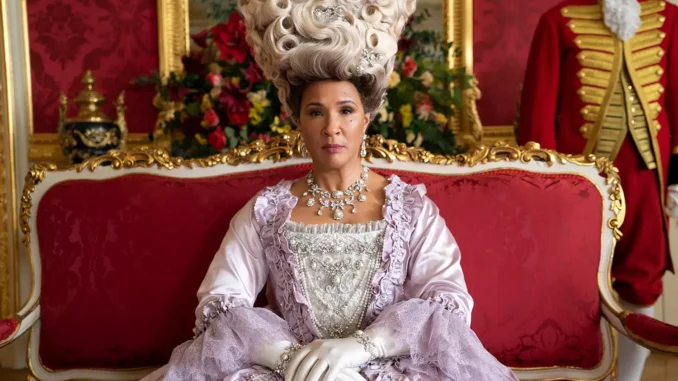
Meanwhile, Queen Charlotte’s wardrobe takes extravagance to another level. Her elaborate gowns and dramatic hairstyles reflect both her royal status and the show’s heightened, almost fantasy-like interpretation of history.
Ultimately, the costumes in Bridgerton do much more than create a beautiful visual experience. They function as a storytelling device, subtly communicating character traits, relationships, and societal dynamics without a single line of dialogue.
As the series continues to evolve, its fashion remains one of its most defining—and influential—elements, proving that in Bridgerton, what characters wear is just as important as what they say.