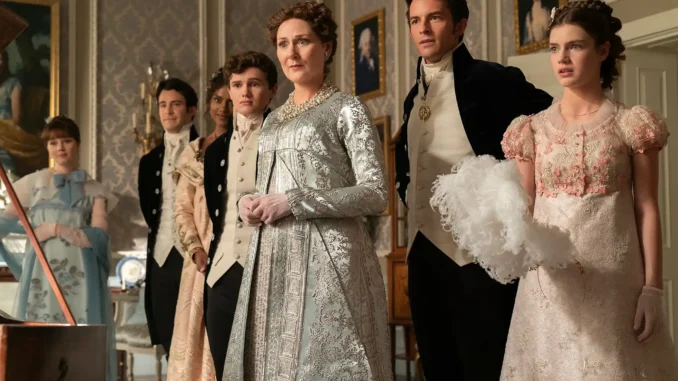
The glamorous world of Bridgerton may feel like a perfect window into the past—but historians are now revealing the truth: the hit series is only partly rooted in real history, and much of what fans see has been dramatically reimagined.
Set in a stylized version of Regency-era London, the show draws inspiration from a real historical period—but it’s far from a documentary. The actual Regency era took place between 1811 and 1820, when King George III was deemed unfit to rule and his son governed as Prince Regent.
While Bridgerton uses this backdrop, its characters and storylines are largely fictional, adapted from novels by Julia Quinn. Still, the series borrows heavily from real social traditions—especially the intense marriage market that defined elite society at the time.
And yes, that competitive world of courtship? Completely real.
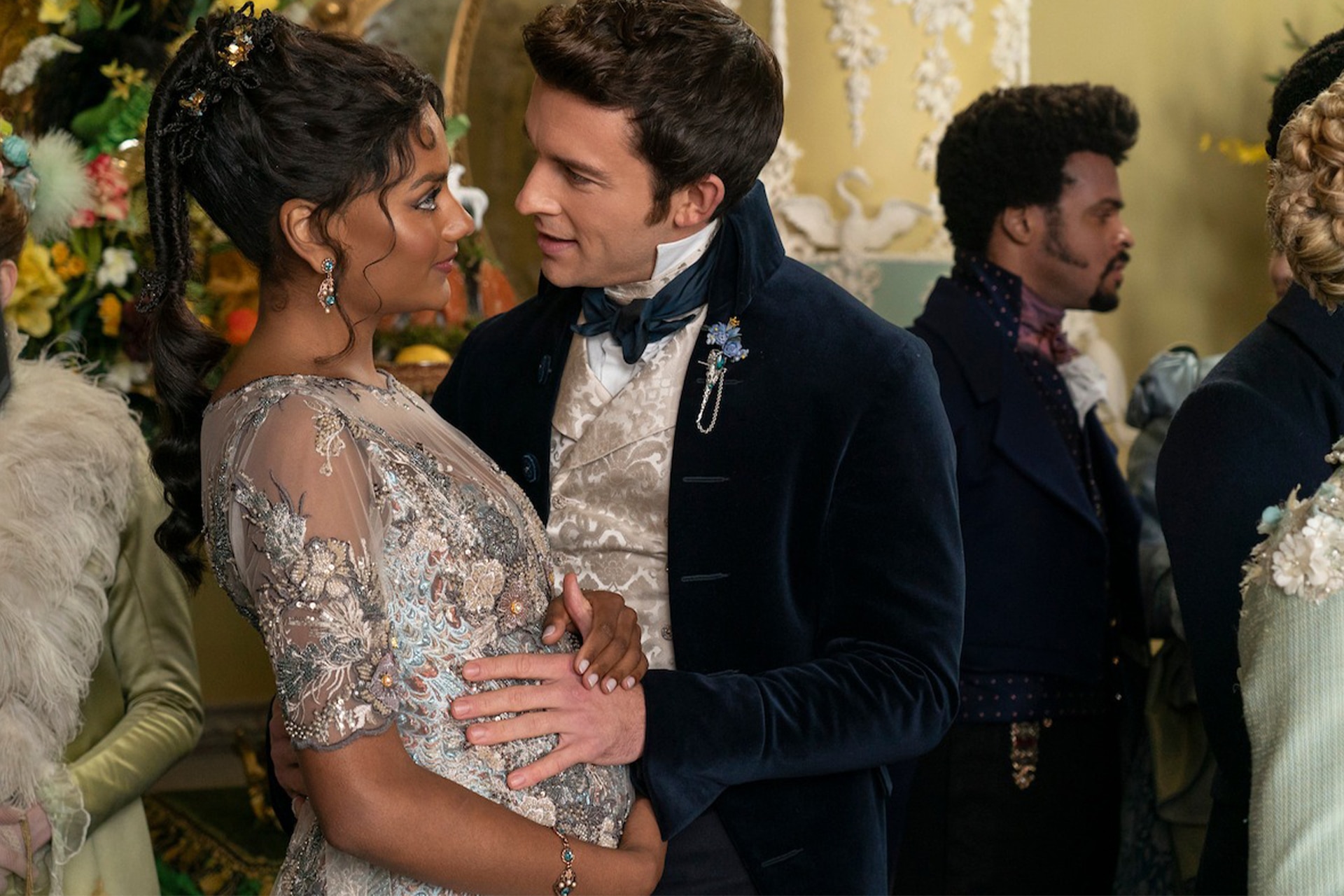
In Regency England, high society—known as “the Ton”—was obsessed with status, reputation, and advantageous marriages. The term itself comes from the French bon ton, meaning “good manners” or “good taste,” and referred to the fashionable elite who set trends and dominated social life.
Strict rules governed everything from how couples interacted to how many dances a woman could share with a man. Breaking these rules could lead to scandal—and social ruin.
But here’s where Bridgerton starts to bend reality.
One of the show’s most iconic elements, Queen Charlotte, is actually based on a real historical figure. Queen Charlotte was the wife of King George III and played a significant role in royal life. However, her portrayal as the central “matchmaker” of society is largely fictional, created to add drama and structure to the series.
Even so, her influence isn’t entirely made up. In real life, access to the royal court was crucial for social success, and etiquette within these circles was taken extremely seriously.
Another fan-favorite feature—Lady Whistledown’s scandal sheet—also has roots in reality. Regency-era newspapers often published gossip about high society, exposing affairs and controversies. But unlike in the show, these publications rarely named people directly, instead using initials or vague descriptions to avoid legal trouble.
So yes, the gossip was real—but far less dramatic.
The show also takes bold creative liberties when it comes to diversity and representation. While Regency London was more globally connected than many people realize, Bridgerton imagines a far more integrated and inclusive society than historically documented. Historians note that while people from different backgrounds did live and travel in London, their experiences were far more complex than the show portrays.
Even everyday life gets a makeover.
Activities like dancing, social visits, and outdoor games—such as pall-mall (an early version of croquet)—are accurately depicted. But the show exaggerates the glamour, turning what was once structured and rule-bound into something far more vibrant and romanticized.
Ultimately, experts agree on one thing: Bridgerton isn’t trying to be perfectly accurate.
Instead, it blends real history with modern storytelling, creating a version of the past that feels both familiar and fantastical. As historians point out, the series invites audiences to imagine what history could have looked like under different circumstances—not necessarily what it actually was.
So while the corsets, courtships, and scandals may be inspired by reality, the world of Bridgerton is less about strict accuracy—and more about rewriting history into something irresistibly entertaining.