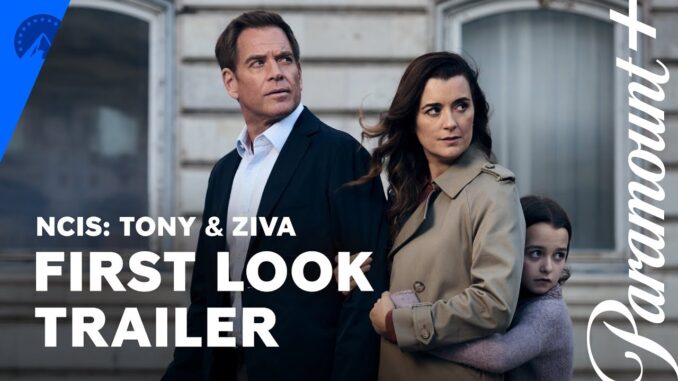
The cancellation of NCIS: Tony & Ziva after just one season didn’t just disappoint fans—it raised serious questions about the evolving economics of modern television. In an era where legacy franchises are often treated as safe bets, the abrupt end of a show centered on two of the most beloved characters from NCIS felt, to many, almost unthinkable.
Tony DiNozzo and Ziva David weren’t just characters—they were the emotional backbone of NCIS for years. Their slow-burn romance, layered with tension, humor, and unresolved feelings, became one of the franchise’s defining arcs. So when a dedicated spin-off was finally announced, expectations weren’t just high—they were deeply personal.
Behind the scenes, however, the realities of streaming-era television told a different story. Industry analysts point to ballooning production costs, especially for international shoots and action-heavy sequences, as a key factor. Unlike traditional network TV, streaming platforms like Paramount+ operate on a subscriber-retention model, meaning every show must justify not just viewership—but its ability to bring in and keep paying users.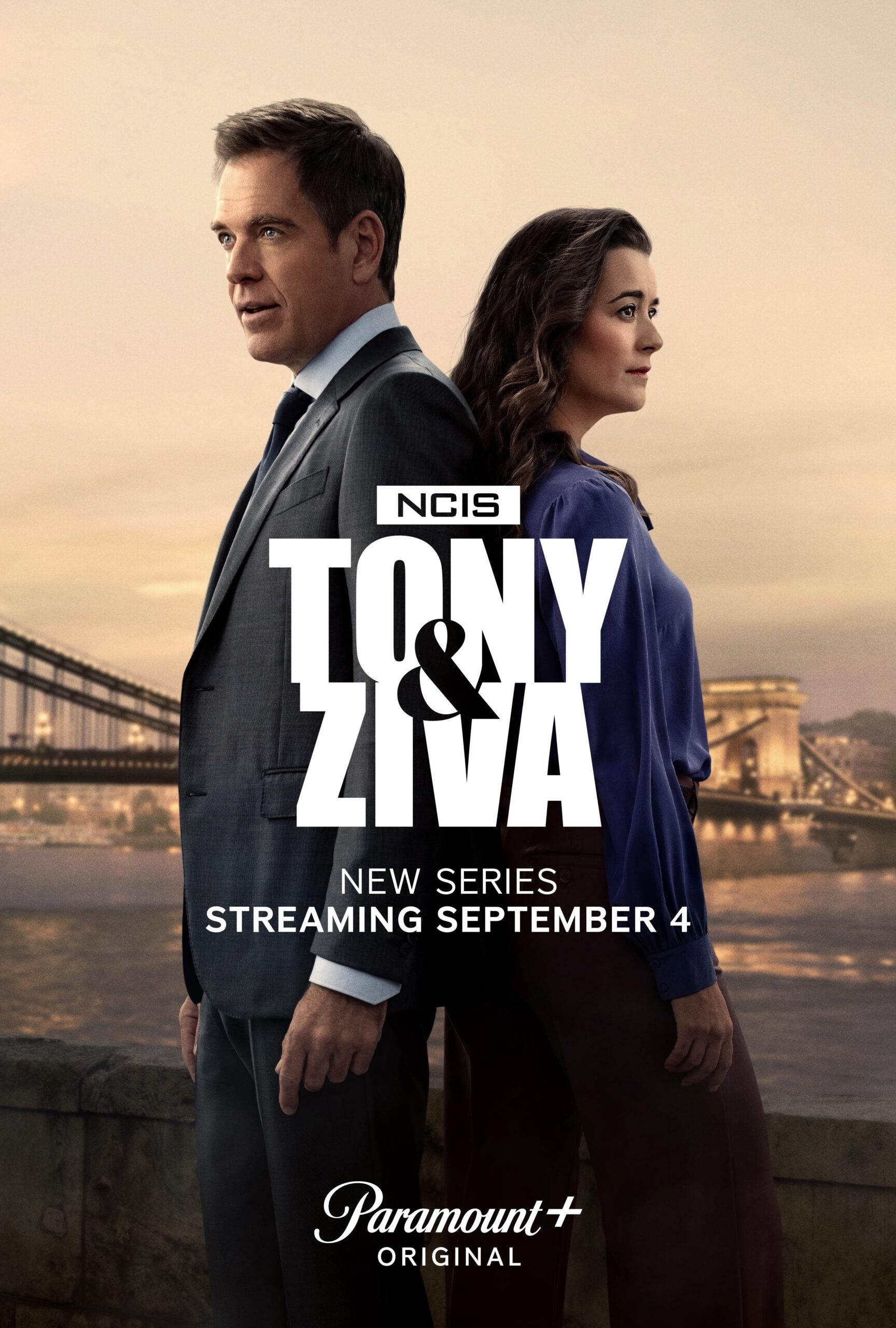
Even more significant is the shifting strategy within the streaming wars. Platforms are increasingly prioritizing either massive global hits or low-cost, high-volume content. Mid-tier productions—even those with strong fanbases—are often caught in the middle. Tony & Ziva may have fallen into that exact trap: too expensive to sustain, yet not explosive enough to dominate global charts.
And yet, history suggests this may not be the end. Shows like Lucifer and Brooklyn Nine-Nine have proven that cancellation is no longer final. In today’s fragmented media landscape, intellectual property is king—and revivals, reboots, and limited returns are increasingly common.
What makes Tony & Ziva particularly interesting is that its narrative still feels unfinished. Unlike shows that wrap up neatly, this series left emotional threads dangling—an intentional or accidental setup for future continuation. Whether through a revival, a crossover, or even a feature-length special, the door remains open.
In the end, the real question isn’t whether the show deserved more time—it’s whether the industry can afford to ignore the kind of loyalty this fanbase continues to demonstrate