The television industry continues to evolve rapidly, and one of the biggest trends reshaping broadcast TV is shorter season orders. In a surprising move, CBS is reportedly reducing episode counts for several popular series, including Fire Country and Matlock.
The decision has sparked major reactions online, especially among longtime viewers who are used to traditional 20+ episode broadcast seasons. While shorter seasons have already become common on streaming platforms, network television has generally held onto larger episode counts — until now.
According to multiple entertainment reports, CBS is tightening schedules and budgets while also attempting to maintain higher production quality across its lineup. Alongside Fire Country and Matlock, two additional CBS series are also expected to receive reduced episode orders for the upcoming television season.
So why is this happening, and what could it mean for the future of broadcast television?
Let’s break everything down.
Why CBS Is Cutting Episode Counts
There are several major reasons why networks like CBS are moving toward shorter seasons.
1. Rising Production Costs
Producing television has become significantly more expensive in recent years. From actor salaries to visual effects and location filming, costs continue to climb across the industry.
Shows like Fire Country involve large-scale outdoor shoots, stunt sequences, and fire simulations, all of which require major budgets. Meanwhile, legal dramas such as Matlock rely heavily on high-profile casts and polished production values.
Reducing the number of episodes allows CBS to control costs without canceling successful shows entirely.
2. Viewer Habits Are Changing
Modern audiences consume television differently than they did a decade ago.
Streaming services have trained viewers to expect tighter storytelling, fewer filler episodes, and faster pacing. Many fans now prefer shorter seasons with stronger narratives rather than 22-episode runs filled with stand-alone stories.
Networks are adapting to those changing habits in order to remain competitive with streaming giants.
3. Scheduling Flexibility
Shorter episode counts also help networks create more room in their programming schedules.
CBS can launch midseason replacements, reality competitions, or special events without overcrowding the calendar. It also gives networks flexibility if new series suddenly become breakout hits.
This strategy has become increasingly common among broadcast networks trying to balance traditional television with modern streaming-era expectations.
What We Know About ‘Fire Country’ Season Changes
Fire Country has become one of CBS’s strongest modern drama successes. Since its debut, the firefighter series has built a passionate fanbase thanks to its emotional storytelling, action-heavy episodes, and strong ensemble cast.
However, reports suggest the upcoming season may feature fewer episodes than previous installments.
While CBS has not officially framed the move as a negative change, fans immediately began speculating online about budget cuts or long-term concerns for the show’s future.
Still, industry insiders note that shorter seasons do not necessarily indicate declining popularity. In fact, many successful series across both streaming and broadcast platforms are embracing more compact storytelling structures.
For Fire Country, the reduced episode count could actually improve pacing and eliminate filler storylines.
Why ‘Matlock’ Fans Are Especially Surprised
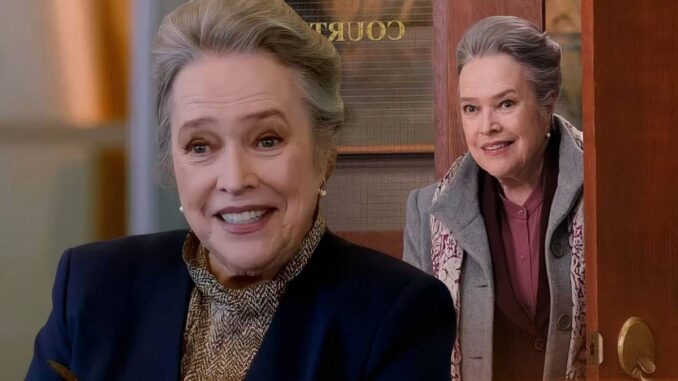
One of the biggest shocks involves Matlock, the modern reboot starring Kathy Bates.
The series quickly became one of CBS’s most talked-about dramas thanks to Bates’ performance and the show’s strong ratings. Many viewers expected CBS to expand the franchise even further after its successful launch.
Instead, reports indicate the network may scale back the total number of episodes moving forward.
This has led to mixed fan reactions online.
Some viewers worry that CBS may be losing confidence in the series, while others believe the shorter format could actually strengthen the storytelling and maintain the show’s quality.
Given the overwhelmingly positive reception surrounding Matlock, many analysts believe the change is more about strategy than performance.
Which Other CBS Shows Are Affected?
Although Fire Country and Matlock are receiving the most attention, additional CBS programs are reportedly facing similar reductions.
Industry experts say this reflects a larger network-wide shift rather than isolated decisions tied to specific shows.
Broadcast television is entering a new era where networks are attempting to balance:
- Production costs
- Streaming competition
- Advertising revenue changes
- Audience retention
- International licensing opportunities
Instead of producing massive episode orders, networks now appear more focused on creating premium-style television experiences.
The Streaming Effect on Broadcast Television
Streaming platforms have dramatically changed how television operates.
Services like Netflix, Disney+, and Max normalized shorter seasons years ago. Many streaming hits only release between 6 and 10 episodes per season.
As audiences embraced binge-watching culture, viewers became more accepting of condensed storytelling.
Traditional broadcast television once depended heavily on long seasons because advertising revenue relied on weekly scheduling across much of the year. But now, networks are adapting to a hybrid model that blends traditional TV with streaming-focused strategies.
CBS appears to be following that trend.
Fans Are Divided Over the Decision
Reactions online have been extremely mixed.
Some fans argue that shorter seasons mean:
- Better storytelling
- Higher production quality
- Less filler content
- Stronger pacing
Others feel disappointed because they simply want more time with their favorite characters.
Longtime broadcast TV viewers are particularly nostalgic for the classic 22-episode format that allowed deeper character development and slower emotional arcs.
Social media discussions surrounding Fire Country and Matlock exploded shortly after the reports surfaced, with many fans debating whether television is truly improving under the streaming-era model.
Could Shorter Seasons Actually Help These Shows?
Interestingly, shorter seasons are not always bad news.
Many critically acclaimed series thrive precisely because they avoid overstretched storylines.
With fewer episodes, writers can:
- Focus on stronger scripts
- Maintain tighter pacing
- Reduce repetitive subplots
- Improve visual quality
- Increase emotional impact
For dramatic series like Matlock and Fire Country, this could result in more intense and memorable storytelling.
Several successful modern shows have proven that shorter seasons can still deliver huge cultural impact.
What This Means for the Future of CBS
CBS has traditionally been one of the strongest defenders of classic network television formats.
However, the entertainment landscape is changing rapidly.
Younger viewers increasingly consume content through streaming apps rather than live cable broadcasts. Advertising models are evolving, and networks must constantly adjust to remain profitable.
Reducing episode counts may represent CBS’s attempt to modernize its business strategy while keeping major franchises alive.
Rather than canceling expensive shows outright, shorter seasons allow networks to preserve fan-favorite series while controlling financial risks.
Will Ratings Be Affected?
One major question remains: will audiences continue watching if seasons become shorter?
There’s evidence suggesting they might.
Shorter seasons often create more anticipation because audiences know every episode matters. Limited episode runs can also encourage binge-viewing and stronger online discussions.
However, there’s also a risk.
If viewers feel they are receiving less content while waiting longer between seasons, frustration can build quickly.
CBS will likely monitor audience reactions closely over the next year to determine whether the strategy succeeds.
The Future of ‘Fire Country’ and ‘Matlock’ Still Looks Strong
Despite concerns, there’s currently no indication that either Fire Country or Matlock is in immediate danger of cancellation.
In fact, both shows remain among the network’s most recognizable modern properties.
The reduced episode counts appear to reflect larger industry trends rather than declining popularity.
For now, fans can likely expect:
- Higher-quality episodes
- More focused storytelling
- Potentially bigger event-style television seasons
- Stronger production value per episode
While the era of massive 24-episode broadcast seasons may slowly be fading, these beloved CBS dramas still appear to have bright futures ahead.
Final Thoughts
The television industry is clearly undergoing another major transformation.
CBS reducing episode counts for shows like Fire Country and Matlock highlights how even traditional broadcast networks are adapting to streaming-era realities.
Although some fans remain disappointed by shorter seasons, others believe this could ultimately improve storytelling quality and help series remain sustainable long-term.
One thing is certain: the way audiences watch television is changing faster than ever — and networks are evolving alongside them.
Whether viewers embrace these shorter seasons or continue longing for classic network television formats will likely shape the future of broadcast TV for years to come.