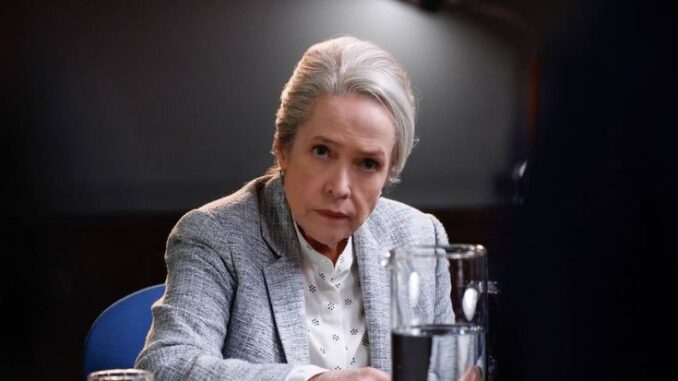
CBS is making major adjustments to its primetime lineup for the 2026-27 television season, and fans are already reacting strongly online. According to recent reports and industry discussions, several popular CBS dramas — including Fire Country, NCIS: Sydney, Matlock, and NCIS: Origins — are expected to receive shortened episode orders next season.
While shortened seasons are becoming increasingly common across broadcast television, the news still comes as a surprise to viewers who have grown used to traditional 20+ episode network runs. The decision reflects larger changes happening throughout the entertainment industry, from rising production costs to shifting audience habits in the streaming era.
For fans, the big question is simple: does a shorter season mean trouble for these shows, or could it actually improve their quality?
In this article, we’ll break down everything we know about CBS’ reported strategy, why these dramas may be receiving reduced episode counts, how it could impact storytelling, and what it says about the future of network television.
Why CBS Is Shortening Seasons in 2026-27
Over the last several years, television networks have been quietly changing the way they approach scheduling. Long-running 22-episode seasons used to be the industry standard for broadcast television. However, modern viewing habits have completely transformed the business.
Streaming services like Netflix, Max, Prime Video, and Paramount+ normalized shorter seasons with higher production values. Viewers became more comfortable with tighter storytelling, faster pacing, and fewer filler episodes.
CBS appears to be adapting to that reality.
By shortening seasons for select dramas, the network may be attempting to:
- Reduce production costs
- Improve scheduling flexibility
- Avoid creative burnout
- Increase episode quality
- Better compete with streaming platforms
- Manage cast availability
- Balance franchise expansion
This strategy isn’t unique to CBS. Nearly every major network has experimented with reduced episode counts in recent years.
Still, the inclusion of major franchises like NCIS and breakout hits like Fire Country makes this move particularly significant.
Fire Country Continues to Be a Major CBS Priority
Since premiering, Fire Country has become one of CBS’ biggest modern success stories. The firefighter drama quickly built a loyal audience thanks to its emotional storytelling, action-heavy rescues, and charismatic cast.
The series helped CBS attract younger viewers while also performing strongly in delayed streaming numbers.
Because of that success, some fans were surprised to hear reports about a shortened season order.
However, a reduced episode count does not necessarily indicate cancellation concerns.
In fact, shorter seasons may actually help Fire Country maintain its momentum. High-intensity dramas often face challenges sustaining quality across more than 20 episodes per year. By trimming the season, writers may be able to focus more heavily on major story arcs, character development, and cinematic production value.
There’s also the growing expansion of the Fire Country universe to consider. CBS has already shown interest in franchise-building opportunities, and reducing episode counts could help the network spread resources more strategically.
For fans, the key takeaway is that Fire Country still appears to remain one of CBS’ most important franchises moving forward.
NCIS: Sydney Faces International Franchise Challenges
NCIS: Sydney brought a fresh international twist to the long-running NCIS brand. Set in Australia, the series introduced new characters, unique locations, and cross-cultural investigations that helped differentiate it from other entries in the franchise.
Although the show generated curiosity and solid international attention, producing a global franchise series comes with unique logistical and financial challenges.
Filming internationally is significantly more expensive than standard domestic productions. Travel, location coordination, crew arrangements, and currency fluctuations can all impact budgets.
Because of that, a shorter season for NCIS: Sydney may simply be a practical business decision.
In many ways, international dramas already function differently from traditional American network television. Australian television, for example, often operates with shorter seasonal structures.
Rather than hurting the series, a reduced episode count could allow NCIS: Sydney to deliver stronger, more focused storytelling without overstretching production demands.
The show still offers CBS valuable global appeal, especially as networks continue pushing for stronger international streaming performance.
Matlock Remains One of CBS’ Most Interesting Reinventions
Among CBS’ newer dramas, Matlock stands out for a unique reason: nostalgia.
The reimagined legal drama successfully introduced a modern interpretation of the classic television property while attracting both longtime fans and new audiences.
One of the biggest reasons for the show’s success has been the performance and screen presence of its lead cast, combined with courtroom mysteries that balance emotional drama and procedural storytelling.
Legal dramas often thrive when they maintain tight pacing. Shorter seasons can actually work extremely well for the genre because they reduce repetitive case structures and keep character arcs moving efficiently.
CBS may also be positioning Matlock as a prestige-style procedural rather than a traditional high-volume network series.
That shift reflects a larger trend in television where even broadcast networks are beginning to adopt streaming-era storytelling strategies.
If handled correctly, a shorter season could help Matlock maintain stronger audience engagement and critical attention.
NCIS: Origins Carries Massive Franchise Expectations
Launching any NCIS series comes with enormous expectations.
The franchise remains one of the most recognizable brands in television history, and NCIS: Origins carries the additional pressure of exploring earlier stories connected to iconic characters and timelines.
Prequel series can be difficult to balance because they must satisfy longtime fans while also remaining accessible to new viewers.
Shorter seasons may give the creative team more control over continuity, pacing, and long-term narrative planning.
Instead of stretching storylines across more than 20 episodes, the writers can focus on building a tighter mystery structure with stronger emotional payoffs.
This approach has become increasingly common for franchise television.
Viewers today often prefer shorter, more binge-friendly storytelling formats. Even traditional network audiences have become more accustomed to serialized narratives rather than completely standalone weekly episodes.
CBS appears to recognize that audience behavior is changing.
Are Shortened Seasons Good or Bad?
The answer depends entirely on execution.
Historically, long network television seasons allowed audiences to spend more time with characters. Fans became deeply attached to fictional worlds because shows aired consistently for most of the year.
However, longer seasons also created problems.
Many network dramas struggled with:
- Filler episodes
- Repetitive storylines
- Production exhaustion
- Budget limitations
- Uneven pacing
- Viewer fatigue
Shorter seasons can solve many of those issues.
Shows like The Last of Us, House of the Dragon, and other streaming hits demonstrated that audiences are willing to wait longer between seasons if the storytelling quality remains high.
Broadcast television is now trying to balance old-school scheduling expectations with modern streaming habits.
For CBS, the goal may not be to produce fewer stories — but to produce stronger stories.
Still, there are potential downsides.
Fans may feel disappointed spending less time with their favorite characters each year. Networks also risk losing momentum if seasons become too short or if hiatus periods become excessively long.
The challenge for CBS will be finding the right balance.
Budget Pressures Continue Reshaping Television
One major factor behind shortened seasons is economics.
Television production has become significantly more expensive over the past decade.
Modern audiences expect cinematic visuals, larger action sequences, stronger special effects, and higher-quality production design. At the same time, advertising revenue for traditional broadcast television has become less predictable as streaming continues dominating entertainment consumption.
Networks are now under pressure to spend smarter.
Reducing episode counts allows studios to:
- Allocate larger budgets per episode
- Improve visual quality
- Reduce overtime production costs
- Maintain cast contracts more efficiently
- Avoid oversaturation
This is especially important for action-heavy dramas like Fire Country or franchise productions like NCIS: Sydney.
A single episode of a major drama can cost millions of dollars to produce.
Shorter seasons may simply represent the most sustainable financial model for the future.
Fans Are Already Reacting Online
As expected, social media reactions have been mixed.
Some fans worry that reduced episode orders could signal declining confidence from CBS. Others believe shorter seasons could improve overall quality.
Online discussions have largely focused on three key concerns:
- Will storytelling feel rushed?
- Could this increase cancellation risks?
- Will the shows lose emotional depth with fewer episodes?
At the same time, many viewers pointed out that several modern prestige dramas succeeded specifically because they avoided unnecessary filler.
The debate highlights how dramatically audience expectations have evolved.
Ten years ago, a 22-episode season symbolized stability and success. Today, many viewers actually associate shorter seasons with premium storytelling.
CBS now finds itself navigating both perspectives simultaneously.
The Future of CBS Programming
CBS has historically been one of the most reliable broadcast networks for procedural dramas. Franchises like NCIS, CSI, and FBI helped define the network’s identity for decades.
But television is entering a new era.
Streaming competition has fundamentally changed audience behavior, viewing schedules, and advertising models.
Networks can no longer rely entirely on traditional formulas.
That’s why shortened seasons may become increasingly normal moving forward.
Rather than chasing volume alone, networks are beginning to prioritize:
- Franchise sustainability
- Streaming compatibility
- Global distribution
- Event-style programming
- Stronger weekly engagement
CBS appears to be evolving carefully instead of abandoning its core audience completely.
Shows like Fire Country, Matlock, NCIS: Sydney, and NCIS: Origins remain valuable properties. A shorter season order does not automatically mean creative trouble.
In many cases, it may simply represent the future of network television.
Could More CBS Shows Receive Shorter Seasons?
It’s entirely possible.
If CBS sees positive results from reduced episode counts — whether financially or creatively — other dramas could eventually follow the same model.
Networks constantly evaluate:
- Ratings performance
- Streaming numbers
- Production costs
- International sales
- Audience retention
- Franchise longevity
If shorter seasons improve efficiency while maintaining strong viewership, the strategy could expand across additional CBS properties.
This would mirror trends already happening across the television industry.
Even some of the most successful modern series rarely produce more than 10 to 13 episodes per season.
Broadcast television is slowly adapting to those expectations.
Final Thoughts
The reported decision to shorten the 2026-27 seasons for Fire Country, NCIS: Sydney, Matlock, and NCIS: Origins marks another major sign that network television is evolving.
For longtime viewers, the transition may feel unusual at first. Traditional 20+ episode seasons were once the foundation of broadcast TV.
But modern audiences consume entertainment differently than ever before.
Streaming platforms changed expectations surrounding pacing, production quality, and storytelling structure. Networks like CBS are now trying to adapt while still preserving the strengths of traditional television.
Whether these shorter seasons ultimately succeed will depend on execution.
If CBS can deliver tighter storytelling, stronger production values, and more impactful character development, fans may eventually embrace the change.
For now, one thing is clear: Fire Country, NCIS: Sydney, Matlock, and NCIS: Origins remain important pieces of CBS’ future — even if viewers may be spending slightly less time with them each season.