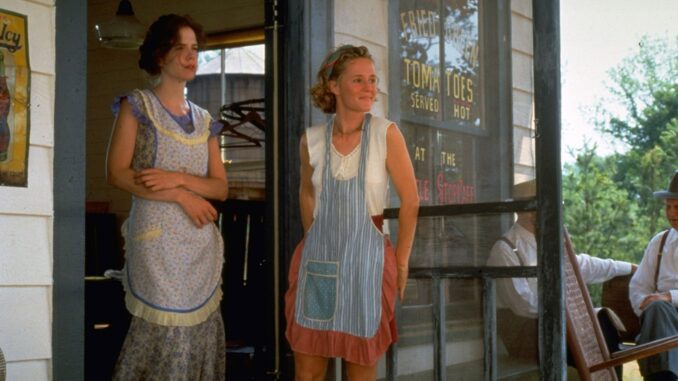
In a streaming landscape dominated by new releases engineered to go viral, it’s rare—almost unheard of—for a 1991 film to suddenly rise as a featured “must-watch” title. And yet, that’s exactly what’s happening with Fried Green Tomatoes on Netflix this May.
At first, its addition to the platform seemed routine. A catalog expansion. A quiet nod to nostalgia. But within days, the narrative shifted. Editorial lists began highlighting it. Recommendation algorithms started surfacing it. Media outlets included it among the most essential films to watch this month.
So why this film—and why now?
Part of the answer lies in contrast. In an era where content is optimized for speed and retention, Fried Green Tomatoes offers something radically different: emotional patience. It doesn’t rush to hook viewers in the first five minutes. It builds. It unfolds. It invites audiences to sit with its characters rather than chase plot twists.
And surprisingly, that’s exactly what modern audiences seem to be craving.
For younger viewers encountering th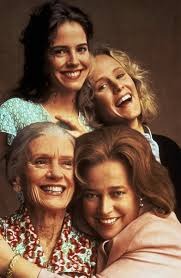 e film for the first time, the experience feels almost disruptive. There’s no reliance on spectacle, no formulaic structure—just human stories told with sincerity. For older viewers, it’s a rediscovery, one that hits differently in a world that has changed dramatically since the film’s original release.
But the biggest shift isn’t just in viewership—it’s in positioning. Netflix isn’t treating Fried Green Tomatoes as background content. It’s elevating it, curating it, placing it alongside contemporary hits as if to say: this still matters.
And perhaps that’s the real story here.
In 2026, a film doesn’t need to be new to feel urgent. It just needs to be seen at the right moment.