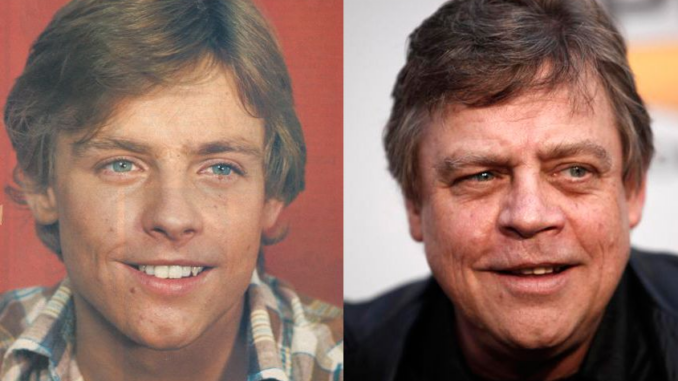
Let’s Look Back at the Life of Mark Hamill, the Man Who Created the Legend of Star Wars
A Humble Beginning Before the Galaxy
Before the lightsabers, before the fame, before the name became synonymous with hope in a galaxy far, far away, Mark Hamill was just another young actor trying to make it in Hollywood.
Born in 1951, his early life didn’t scream “future icon.” He moved frequently due to his father’s military career, which meant constantly adapting, constantly starting over. Maybe that’s where it all began—the ability to step into new roles, new identities, new worlds.
Because let’s be honest: becoming Luke Skywalker wasn’t just acting. It was transformation.
The Audition That Changed Everything
When Opportunity Knocked… Quietly
In the mid-1970s, a relatively unknown director named George Lucas was casting for a strange, ambitious space opera. It wasn’t guaranteed success. In fact, most people thought it would fail.
Hamill walked into that audition with no idea he was stepping into cinematic history.
And yet, something clicked.
Why He Was the Perfect Luke Skywalker
Luke wasn’t supposed to be perfect. He was naive, hopeful, impulsive. He made mistakes. He doubted himself.
And that’s exactly what made him relatable.
Hamill didn’t just play Luke—he was Luke. That authenticity turned a fictional character into a universal symbol.
The Birth of a Cultural Phenomenon
When Star Wars Became More Than a Movie
In 1977, Star Wars: Episode IV – A New Hope hit theaters—and everything changed.
No one predicted the explosion. Not the cast. Not the studio. Not even Lucas himself.
But suddenly, Mark Hamill wasn’t just an actor. He was the face of a revolution.
The Weight of Instant Fame
Imagine going from anonymity to global recognition overnight. Sounds like a dream, right?
But fame comes with pressure. Expectations skyrocket. Every move gets watched. Every performance gets judged.
For Hamill, that shift was both a blessing and a challenge.
Trials Behind the Scenes
The Accident That Could Have Changed Everything
Shortly after the first film’s success, Hamill was involved in a serious car accident. It left him with facial injuries that required reconstructive surgery.
For many actors, that could have ended a career.
But not for him.
Resilience in the Face of Uncertainty
Instead of stepping back, he leaned in. He returned stronger, more determined, and continued the journey through Star Wars: Episode V – The Empire Strikes Back and Star Wars: Episode VI – Return of the Jedi.
And here’s the thing—his performance deepened. Luke wasn’t just a dreamer anymore. He became a symbol of struggle, growth, and redemption.
Breaking Free from Typecasting
The Curse of an Iconic Role
Being Luke Skywalker is a blessing. But it’s also a trap.
When a role becomes that iconic, it can overshadow everything else. Audiences struggle to see you as anything else.
Hamill faced that reality head-on.
Reinventing Himself Through Voice Acting
Instead of fighting the image, he pivoted.
And what a pivot it was.
He became one of the most respected voice actors in the industry, most notably as the Joker in Batman: The Animated Series.
The Genius Behind the Joker
His Joker wasn’t just a performance—it was a masterclass.
Unpredictable. Chilling. Electrifying.
Many fans consider it the definitive version of the character. Think about that for a second: the man known for playing one of the greatest heroes also became one of the most iconic villains.
That’s range.
Returning to the Galaxy
A Comeback Decades in the Making
Years later, when Star Wars returned with a new generation, so did Hamill.
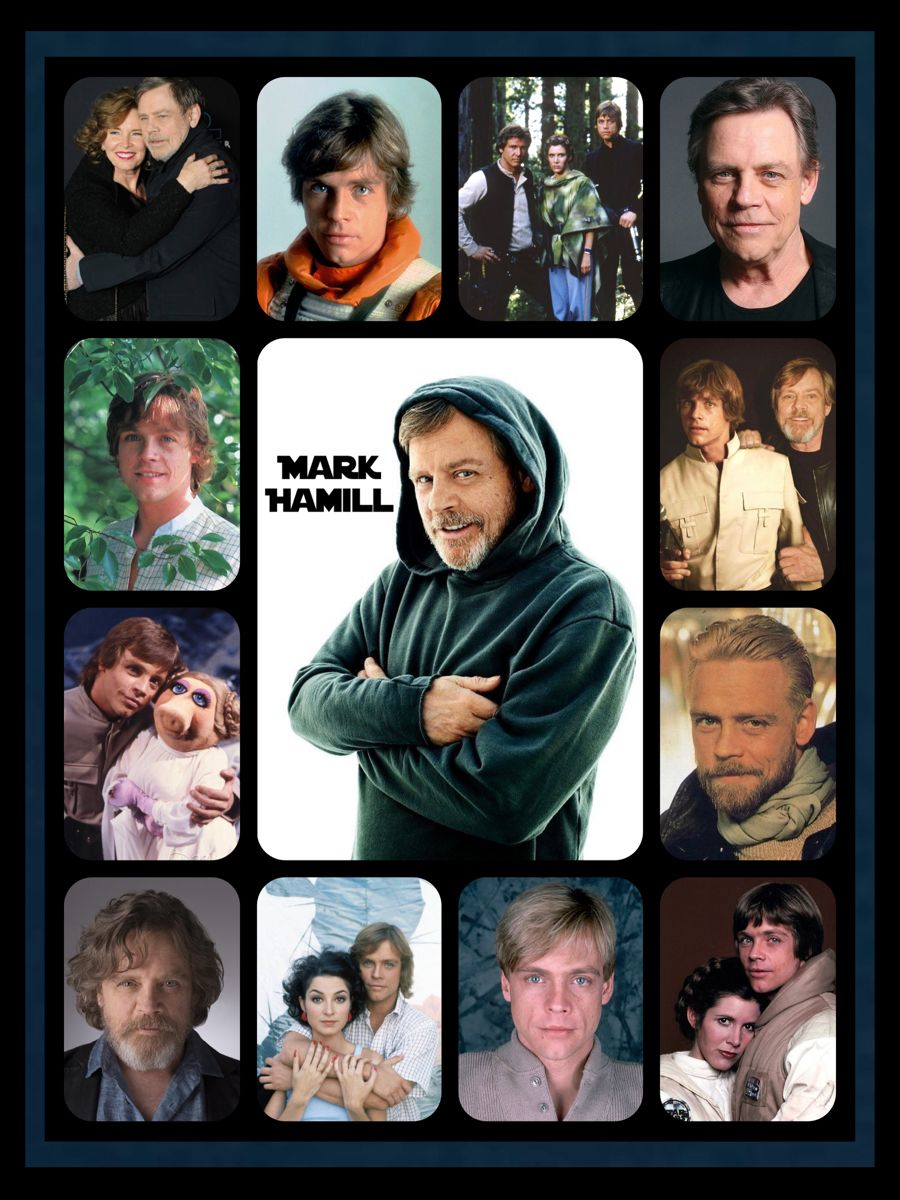
His role in Star Wars: Episode VII – The Force Awakens and Star Wars: Episode VIII – The Last Jedi showed a different Luke—older, more complex, more human.
A Divisive Yet Powerful Performance
Not everyone agreed with the direction of Luke’s character.
But here’s the truth: it was bold.
Hamill delivered a performance filled with depth, regret, and wisdom. It wasn’t the Luke fans expected—but maybe it was the Luke they needed.
The Man Beyond the Screen
Humor, Honesty, and Connection
Off-screen, Hamill has built a reputation for something rare: authenticity.
He engages with fans. He shares his thoughts openly. He doesn’t hide behind a polished celebrity persona.
Why Fans Still Love Him
Because he feels real.
In a world of carefully curated images, that kind of honesty stands out.
A Legacy That Transcends Generations
More Than Just Luke Skywalker
Mark Hamill isn’t just part of Star Wars history—he helped shape it.
His portrayal of Luke defined the emotional core of the original trilogy. His voice work redefined animation. His presence continues to influence new generations.
The Enduring Power of a Legend
Legends aren’t just created—they’re sustained.
And Hamill has done exactly that.
Decade after decade, he remains relevant, respected, and deeply loved.
Conclusion
Mark Hamill’s journey isn’t just about fame or success. It’s about resilience, reinvention, and staying true to who you are—even when the world tries to define you by a single role.
He started as a hopeful young actor. He became a global icon. And somewhere along the way, he proved something powerful:
Legends aren’t born overnight. They’re built through risk, growth, and the courage to evolve.
And in that sense, Mark Hamill didn’t just play a hero.
He became one.
FAQs
1. What role made Mark Hamill famous?
He became globally famous for playing Luke Skywalker in the original Star Wars trilogy.
2. Did Mark Hamill face challenges in his career?
Yes, including a serious car accident and typecasting after Star Wars.
3. What is Mark Hamill known for besides Star Wars?
He is widely recognized for voicing the Joker in Batman: The Animated Series.
4. Did he return in the newer Star Wars films?
Yes, he reprised his role as Luke Skywalker in the sequel trilogy.
5. Why is Mark Hamill considered a legend?
Because of his lasting impact on pop culture, his versatility as an actor, and his strong connection with fans.