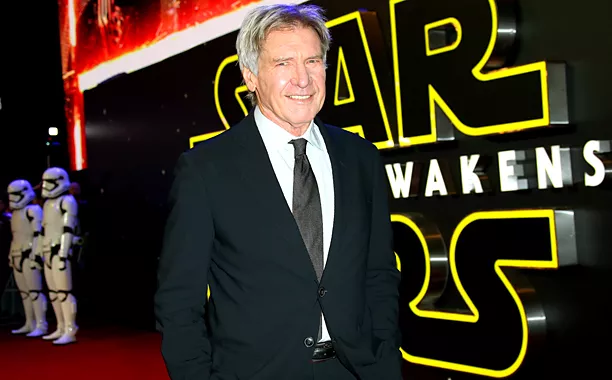
Harrison Ford Once Wanted Han Solo Killed Early Because He Didn’t Want to Return to Star Wars
Introduction: A Galaxy Far, Far… More Complicated Than You Think
When you think of Harrison Ford as Han Solo in Star Wars, you probably imagine swagger, charm, and that iconic smirk. But behind the scenes, things weren’t quite so smooth.
Here’s the twist: Ford didn’t just play Han Solo—he actually wanted him gone. Permanently. Early.
Yes, the galaxy’s most beloved smuggler almost met his end long before fans were ready. And the reason? It wasn’t drama, ego, or rebellion. It was something far more human: an actor searching for meaning in his role—and maybe an escape hatch out of hyperspace.
The Birth of Han Solo: A Character That Stole the Show
From Supporting Role to Cultural Icon
When George Lucas created Star Wars, Han Solo wasn’t meant to overshadow anyone. Yet somehow, the rogue pilot with a sarcastic edge became one of the most magnetic characters on screen.
Ford’s performance turned Solo into more than just a sidekick. He was unpredictable, charming, and grounded in a universe filled with mysticism.
Why Han Solo Resonated With Audiences
Han Solo wasn’t a Jedi. He didn’t have powers. He had instincts, grit, and a blaster.
That made him relatable. In a galaxy of legends, he felt like the guy who just showed up, winged it, and somehow survived.
Harrison Ford’s Unexpected Frustration With the Role
“He’s Not That Deep” – Ford’s Honest Take
Despite the character’s popularity, Ford didn’t see Han Solo as particularly complex. In interviews, he often described Solo as straightforward—fun, sure, but not exactly layered.
For an actor craving depth, this was like being handed a beautifully wrapped gift… with nothing inside.
The Desire for Narrative Weight
Ford believed that characters should evolve, face consequences, and—if necessary—die with purpose.
Han Solo, in his eyes, wasn’t getting that kind of arc. He was surviving, cracking jokes, and flying off into the sunset. Entertaining? Absolutely. Fulfilling? Not quite.
The Bold Idea: Killing Han Solo Early
A Dramatic Exit Strategy
During the production of Return of the Jedi, Ford proposed something radical:
Kill Han Solo.
Not for shock value. Not for controversy. But to give the character weight—a meaningful end that would elevate the story.
Why Death Made Sense to Ford
To Ford, Han Solo’s death could have raised the stakes. It would remind audiences that no one is safe, even the fan favorites.
It’s like removing a pillar from a house—not to destroy it, but to prove it can still stand.
Why George Lucas Said No
The Business Side of Storytelling
George Lucas had a different perspective. Star Wars wasn’t just a story—it was a phenomenon.
Killing Han Solo might have been artistically bold, but commercially? Risky.
Keeping the Tone Hopeful
Lucas wanted the original trilogy to end on a high note. Victory, redemption, celebration.
A major character death could have shifted the tone from triumphant to bittersweet. And that wasn’t the destination he envisioned.
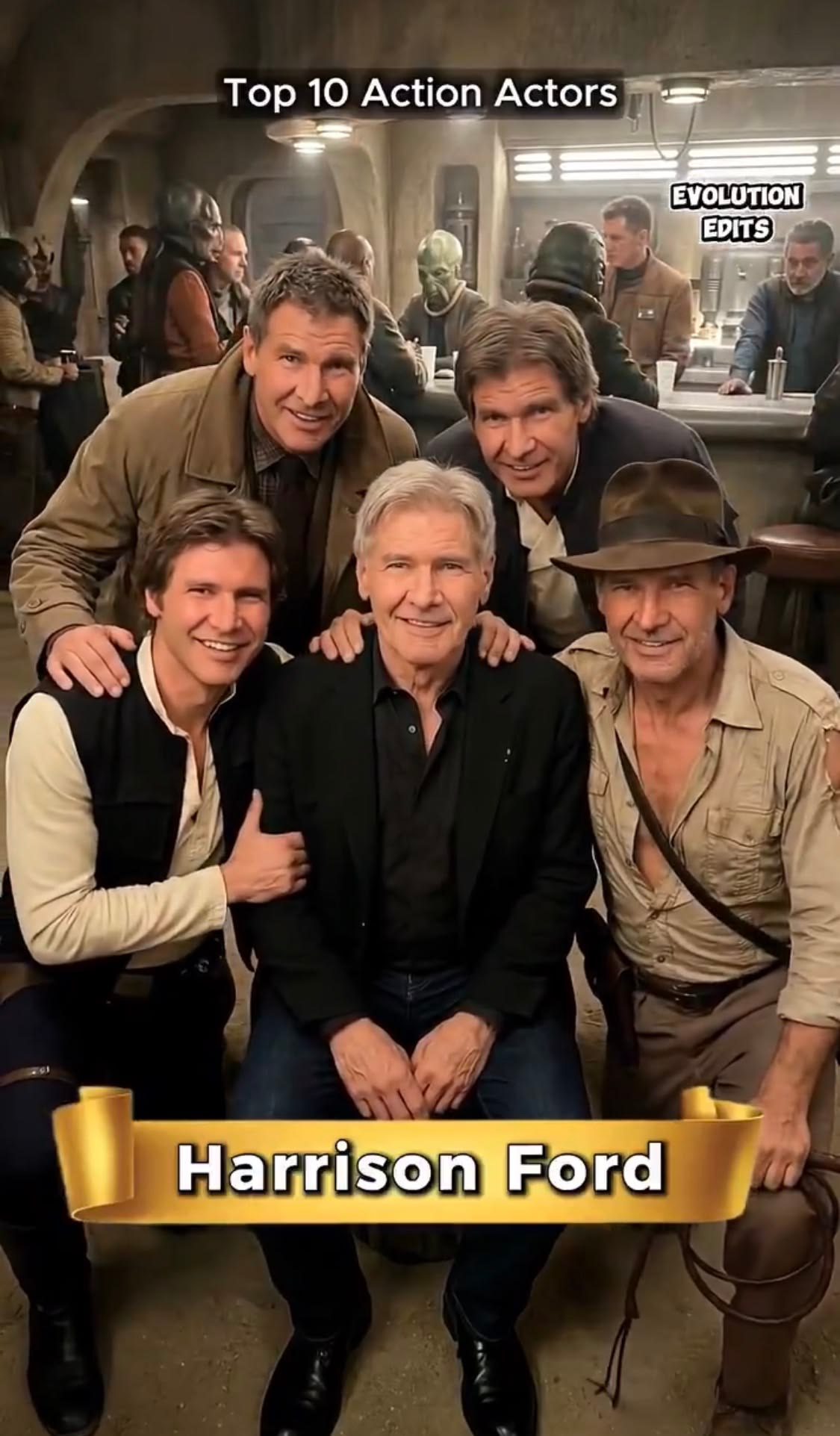
The Compromise: Han Solo Lives… For Now
A Happy Ending That Divided Opinions
So Han Solo survived Return of the Jedi. He helped defeat the Empire, stood beside Leia, and got his fairy-tale ending.
Fans cheered.
But Ford? He wasn’t entirely convinced.
The Lingering Question of “What If?”
What if Han Solo had died then?
Would it have deepened the trilogy? Changed its legacy? Made it more daring?
It’s one of those cinematic “what ifs” that lingers like an unresolved chord.
The Long Break From Star Wars
Harrison Ford Moves On
After the original trilogy, Ford stepped away from Star Wars.
He pursued other roles, building a legendary career with films like Indiana Jones and Blade Runner.
Why He Didn’t Want to Return
Ford wasn’t eager to revisit Han Solo. For him, the story felt complete—or at least, as complete as it could be without that meaningful ending he once envisioned.
The Return That Changed Everything
A New Era Begins
Decades later, Star Wars returned with The Force Awakens.
And with it came an unexpected comeback: Han Solo.
The Ending Ford Always Wanted
This time, things were different.
Han Solo’s story finally reached a conclusion—one that carried emotional weight, consequence, and finality.
Ford finally got the ending he had been advocating for all along.
Why This Story Matters
Art vs. Commerce
The tension between Ford and Lucas highlights a bigger truth in filmmaking:
Art and business don’t always align.
One seeks meaning. The other seeks longevity.
The Power of Character Arcs
Ford’s instinct wasn’t wrong. Characters resonate most when they grow, change, and sometimes fall.
It’s the difference between a spark and a flame that burns long after the credits roll.
Lessons From a Galaxy Far Away
Even Icons Face Creative Conflict
Just because something becomes iconic doesn’t mean it was smooth behind the scenes.
Sometimes, the best ideas are the ones that almost happened.
Timing Is Everything
Han Solo’s death didn’t happen when Ford first suggested it—but when it finally did, it hit harder.
Like a delayed note in a song, it arrived exactly when it needed to.
Conclusion: The Exit That Took Decades
Harrison Ford didn’t hate Han Solo. Far from it.
He simply wanted more for him—a story that meant something, an ending that mattered.
In the end, he got his wish. It just took a few decades, a new trilogy, and a return to the cockpit of the Millennium Falcon.
Some stories don’t end when you expect them to. They wait, orbit, and then land at the perfect moment.
FAQs
1. Why did Harrison Ford want Han Solo killed early?
He felt the character lacked depth and believed a meaningful death would give Han Solo a stronger narrative arc.
2. Did George Lucas ever consider killing Han Solo?
He considered it but rejected the idea to preserve a hopeful ending.
3. When did Han Solo finally die in Star Wars?
In The Force Awakens, decades later.
4. Did Harrison Ford enjoy playing Han Solo?
Yes, but he wanted more depth and closure for the character.
5. How did fans react to Han Solo’s death?
Emotional and divided, but many felt it was a powerful ending.