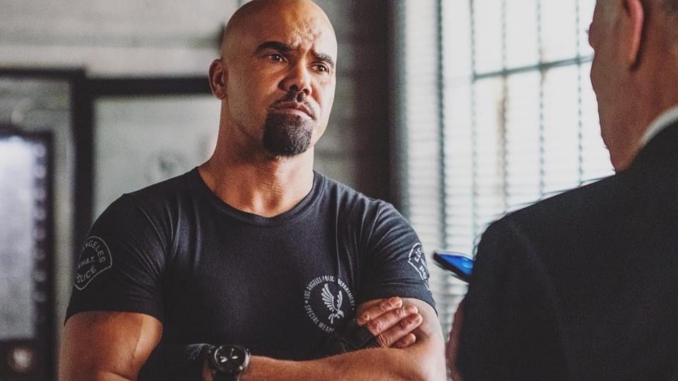
Why Has Shemar Moore’s S.W.A.T Become an Iconic Television Action Series?
Television has never been short on crime dramas. Every year, networks launch new police procedurals packed with sirens, suspects, and suspense. Most disappear quietly. A few survive. Only a select handful become unforgettable.
That’s exactly what happened with S.W.A.T.
What began as another reboot of a known franchise quickly transformed into one of modern television’s most beloved action series. With Shemar Moore leading the charge, the show delivered explosive action, emotional storytelling, and characters viewers genuinely cared about.
So what made this series stand out in such a crowded field? Why did audiences keep returning season after season?
The answer is bigger than gunfights and car chases.
Shemar Moore Was the Perfect Leading Man
Every iconic action series needs a star who can command the screen the second they appear. Shemar Moore did that effortlessly.
As Sergeant Daniel “Hondo” Harrelson, Moore brought authority, confidence, charm, and emotional depth. He looked believable in command, but he also brought humanity to the role.
Hondo wasn’t written as a flawless superhero. He was a man balancing duty, loyalty, leadership, and personal values. That made him relatable.
Viewers didn’t just watch Hondo.
They trusted him.
Hondo Was More Than an Action Hero
Many action leads are one-dimensional. They fight, win, and move on.
Hondo was different.
He wrestled with responsibility. He carried the weight of leadership. He questioned systems while trying to protect both his team and his community.
That inner conflict gave the character substance. It turned S.W.A.T. from a standard police show into something more thoughtful and layered.
The Action Felt Big and Real
Some TV action can feel repetitive or cheap.
S.W.A.T. avoided that problem by making missions feel cinematic.
Each episode often featured:
- Hostage rescues
- Tactical raids
- Bomb threats
- Urban manhunts
- High-risk negotiations
- Fast-moving team operations
The pacing was sharp. The danger felt immediate. The stakes mattered.
Instead of one person magically solving everything, success depended on planning, trust, teamwork, and split-second decisions.
That realism made the action more exciting.
The Team Chemistry Was a Major Strength
No elite squad works without chemistry, and S.W.A.T. understood that perfectly.
The supporting cast gave the show depth and personality. Characters like Deacon, Street, Tan, Luca, Chris, and Hicks all had distinct identities.
Each added something valuable.
Deacon Represented Stability
Reliable, experienced, family-focused, and disciplined.
Street Represented Growth
Young, impulsive, emotional, but always evolving.
Tan Represented Precision
Calm, intelligent, and dependable under pressure.
Luca Represented Loyalty
The kind of teammate everyone wants beside them.
Together, they felt less like scripted coworkers and more like a family forged through danger.
The Show Had Heart
Action alone doesn’t build a fanbase.
Emotion does.
S.W.A.T. balanced tactical intensity with real human stories involving:
- Marriage struggles
- Parenthood
- Career sacrifice
- Trauma recovery
- Friendship
- Identity
- Loyalty under pressure
That emotional layer gave viewers reasons to care when lives were on the line.
Without heart, action is noise.
With heart, action becomes meaningful.
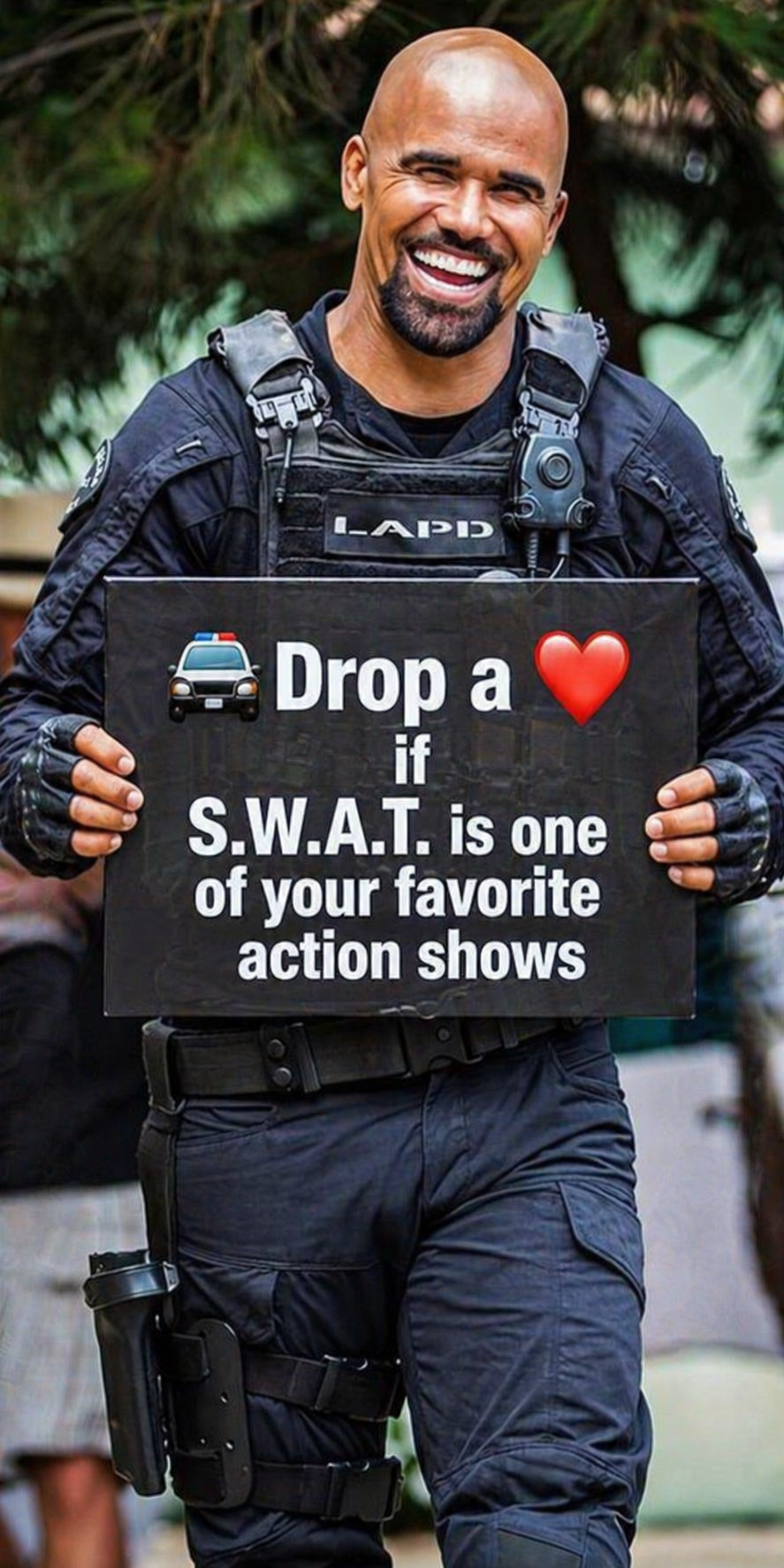
It Reflected Modern Social Tension
One of the smartest things S.W.A.T. did was acknowledge the real-world complexity around policing and community trust.
Hondo often stood between two worlds:
- His role as a law enforcement leader
- His roots in the community
That perspective gave the show relevance. It wasn’t just chasing criminals every week. It was also exploring leadership in difficult times.
That added weight many procedural shows never reach.
Los Angeles Felt Alive
Some shows treat location as wallpaper.
S.W.A.T. used Los Angeles like a living character.
The city’s streets, neighborhoods, skylines, traffic, cultural diversity, and tension created atmosphere in nearly every episode.
Whether on rooftops, freeways, alleys, or suburban neighborhoods, the setting gave the series scale and energy.
L.A. wasn’t background.
It was part of the story.
It Delivered Consistency
Viewers value reliability more than many networks realize.
S.W.A.T. consistently delivered what fans wanted:
- Strong weekly action
- Character development
- Team loyalty
- Emotional stakes
- Clean pacing
- Satisfying episodes
That consistency builds trust.
When people know a show rarely wastes their time, they keep coming back.
Shemar Moore Already Had Star Power
Before S.W.A.T., Shemar Moore already had a loyal fanbase from previous hit series.
That gave the show immediate visibility.
But existing fame only opens the door.
Long-term success comes from performance, and Moore absolutely delivered one.
He didn’t phone it in. He carried the show with commitment and charisma.
It Redefined Strength
Older action series often treated masculinity as silence and aggression.
S.W.A.T. allowed male characters to be vulnerable.
They discussed:
- Fear
- Fatherhood
- Marriage
- Pressure
- Failure
- Emotional pain
That made the characters more believable and broadened the show’s emotional appeal.
Real strength looked like accountability, not just toughness.
Perfect Comfort Viewing
Prestige dramas can be brilliant, but they also demand energy.
S.W.A.T. became ideal comfort television because it offered:
- Familiar characters
- New weekly stakes
- Ongoing personal stories
- Easy entry points
- Rewatch value
You could watch casually or follow deeply.
That flexibility matters more than people think.
Fans Became Loyal Defenders
When a show develops a passionate fanbase, it means the connection is genuine.
S.W.A.T. earned that kind of loyalty. Viewers supported the series loudly and consistently because they cared about the characters and wanted more stories.
That kind of attachment cannot be manufactured.
It has to be earned.
Why It Stood Above Other Cop Shows
Many police procedurals follow the same formula:
Crime happens. Detectives investigate. Case closes.
S.W.A.T. offered something different:
- Tactical response instead of desk work
- Team dynamics over lone heroes
- Leadership dilemmas
- Emotional continuity
- Social relevance
- High-speed action
That made it feel fresher than standard crime dramas.
The Legacy of S.W.A.T.
When people discuss modern network action television, S.W.A.T. will be part of the conversation.
It proved that broadcast TV could still create large-scale action with emotional storytelling.
It proved audiences still love ensemble teams.
And it proved Shemar Moore could anchor a long-running franchise.
Conclusion
S.W.A.T. became iconic because it understood something many shows forget: viewers want excitement, but they also want connection.
Shemar Moore gave the series a powerful center. The cast created chemistry. The action delivered thrills. The emotional arcs created loyalty.
That combination turned a police drama into a television staple.
Some shows entertain for a season.
S.W.A.T. built a legacy.
FAQs
1. Why was Shemar Moore so important to S.W.A.T.?
He brought charisma, credibility, emotional depth, and leadership that made Hondo memorable.
2. Was S.W.A.T. only popular because of action scenes?
No. The action helped, but character relationships and emotional storytelling built long-term loyalty.
3. What made S.W.A.T. different from other police shows?
Its tactical focus, strong team chemistry, and modern social themes helped it stand apart.
4. Why did fans become so attached to the show?
Because the characters evolved over time, and viewers felt invested in their journeys.
5. Will S.W.A.T. be remembered as an iconic TV series?
Yes. Its longevity, fan support, and cultural impact give it lasting legacy.