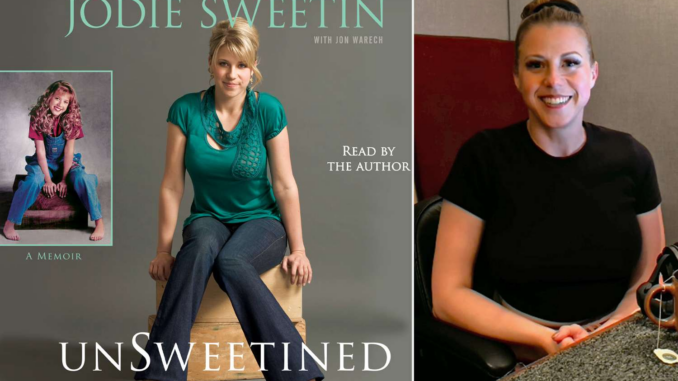
Sometimes the biggest entertainment stories are not about movies, ratings, or red carpets. They are about values. That is exactly why Jodie Sweetin’s recent controversies gained so much attention.
Sweetin, widely known for playing Stephanie Tanner on Full House and Fuller House, became part of a public cultural debate involving former co-star Candace Cameron Bure. Their disagreements reportedly centered on LGBTQ+ rights, religion, representation in media, and the direction of the Great American Family network.
For longtime fans, it felt strange to see stars from one of television’s most wholesome franchises on opposite sides of a public issue. But this story reflects something much bigger than celebrity conflict. It mirrors wider debates happening across entertainment and society.
This article explores the controversy, why it resonated, and what it says about modern Hollywood.
Who Is Jodie Sweetin?
Jodie Sweetin became famous as Stephanie Tanner on Full House, where her humor and memorable one-liners made her a fan favorite.
As an adult, she returned in Fuller House and reintroduced herself to a new generation. Beyond acting, Sweetin has also spoken publicly about personal growth, recovery, and social issues.
That openness has shaped how audiences view her today.
Who Is Candace Cameron Bure?
Candace Cameron Bure is another major star from Full House, known for playing D.J. Tanner.
She built a successful career through acting, producing, family-oriented programming, and faith-based public messaging. Over time, Bure became associated with conservative values and traditional family entertainment.
That public identity became central to later controversy.
What Sparked the Public Disagreement?
The controversy intensified after comments tied to the programming direction of Great American Family, often shortened to GAF.
Debate grew around whether the network would focus on traditional marriage themes rather than broader modern representation. Critics saw this as exclusionary. Supporters saw it as values-based branding.
Sweetin publicly aligned with LGBTQ+ inclusion, which many interpreted as a contrast to Bure’s stance.
Why LGBTQ+ Representation Became the Core Issue
Entertainment is not just entertainment anymore. It also signals who belongs.
For many viewers, seeing LGBTQ+ couples and families represented on screen matters deeply. It tells audiences they are visible, valued, and included.
When representation appears limited, critics often respond strongly.
That is why this issue became emotional so quickly.
Sweetin’s Public Position
Jodie Sweetin has been publicly supportive of LGBTQ+ rights and inclusion.
Her stance resonated with fans who value broader representation in television and film. To many supporters, she was not creating drama—she was defending equality.
In today’s culture, silence can be interpreted as a statement. Speaking out can be, too.
Candace Cameron Bure’s Position
Bure has publicly connected her work to faith, tradition, and family-centered values.
Supporters often argue that creators should have the freedom to make content reflecting their beliefs. Critics argue that excluding certain families sends a harmful message.
This is where the debate moved beyond two actresses and into a larger cultural conversation.
Why Fans Took Sides So Quickly
When beloved stars disagree, audiences often respond like sports fans choosing teams.
Some supported Sweetin for inclusion and modern values.
Others supported Bure for faith-based freedom and traditional programming.
And many people simply wished everyone could disagree respectfully.
The Power of Nostalgia in Celebrity Conflict
This story hit harder because Full House and Fuller House are comfort shows for millions.
Fans remember warmth, hugs, life lessons, and family unity. Seeing cast members publicly divided felt like discovering cracks in a childhood memory.
Nostalgia amplifies emotion.
Why Entertainment Networks Face Pressure
Modern networks face competing demands:
- Represent diverse audiences
- Maintain brand identity
- Satisfy advertisers
- Avoid backlash
- Attract loyal viewers
- Stay culturally relevant
That balancing act is like walking a tightrope during a windstorm.
One move pleases some people and angers others.
Religion and Media: An Ongoing Debate
Religion has always influenced entertainment choices. Many audiences actively seek faith-based content.
At the same time, others expect mainstream media to reflect modern diversity.
Neither side is disappearing. That tension ensures debates like this will continue.
Freedom of Expression vs Inclusion
This controversy often boiled down to one difficult question:
Should creators prioritize freedom to reflect personal beliefs, or responsibility to include all families?
Many argue both values matter. The challenge lies in how they coexist.
That is the real puzzle at the center of this story.
How Social Media Fueled the Fire
Years ago, disagreements like this might stay inside interviews or private conversations.
Today, one quote becomes:
- Screenshots
- Reposts
- Reaction videos
- Opinion threads
- Trending hashtags
Social media turns sparks into bonfires.
Why Jodie Sweetin’s Voice Matters
Sweetin’s public comments carried weight because she represents a familiar and trusted television figure.
When someone audiences watched grow up speaks on modern issues, people listen differently.
Her journey from child star to outspoken adult adds depth to her voice.
Why Candace Cameron Bure’s Voice Matters
Bure also commands a loyal audience built over decades.
She appeals strongly to viewers who value traditional family messaging and faith-centered entertainment.
That means both women entered the debate with large, emotionally invested audiences.
The Fuller House Connection
Because both actresses shared screen history, the disagreement felt more personal to fans.
They were not random celebrities. They were part of the same television family.
That shared history made headlines more compelling.
Can People Disagree Respectfully?
Yes—but it requires discipline.
Respectful disagreement means:
- Listening without mocking
- Critiquing ideas, not humanity
- Avoiding personal attacks
- Recognizing complexity
- Accepting differences
Easy to say. Harder to do online.
What This Says About Hollywood Today
Hollywood is no longer just about scripts and casting. It is also about identity, values, and audience alignment.
Actors are expected to be performers, brands, advocates, and public thinkers all at once.
That pressure creates more visible conflict.
Why This Story Resonated Beyond Fans
Even people who never watched Full House discussed this controversy because it touched broader issues:
- LGBTQ+ equality
- Religious freedom
- Representation in media
- Political polarization
- Celebrity influence
Those themes reach far beyond one TV franchise.
The Human Side of Public Disagreement
Behind every trending controversy are real people with personal convictions.
It is easy to reduce celebrities to headlines. Harder to remember they are navigating identity, belief, work, and public scrutiny at the same time.
That human layer matters.
What Audiences Can Learn
You do not need to choose a celebrity side to learn from this story.
Instead, ask:
- How do values shape media?
- Can inclusion and belief coexist?
- How should public disagreement be handled?
- What kind of culture do audiences reward?
Those questions matter more than gossip.
Will the Controversy Last?
The headlines may fade, but the underlying debate will remain.
As long as entertainment reflects society, disputes over representation, faith, and identity will continue.
This story is one chapter in a much larger book.
Conclusion
Jodie Sweetin’s recent controversies involving Candace Cameron Bure drew attention because they were never just about two former co-stars. They reflected a deeper cultural divide over LGBTQ+ rights, religion, media values, and representation.
For fans, the disagreement may have felt disappointing. For observers, it was revealing. It showed how entertainment has become a battleground for ideas as much as a source of escape. In the end, the real conversation is not about one feud—it is about what kind of stories society wants to tell.
FAQs
1. Why was Jodie Sweetin in the news recently?
She was involved in public disagreement tied to comments about LGBTQ+ representation and media values.
2. Who was the disagreement with?
The debate centered around differing views associated with Candace Cameron Bure.
3. What role did GAF play?
The Great American Family network became part of the discussion regarding programming direction and representation.
4. Why did fans react strongly?
Because both actresses are closely tied to the beloved Full House franchise.
5. What larger issue does this reflect?
It reflects ongoing debates about inclusion, religion, and creative freedom in entertainment.