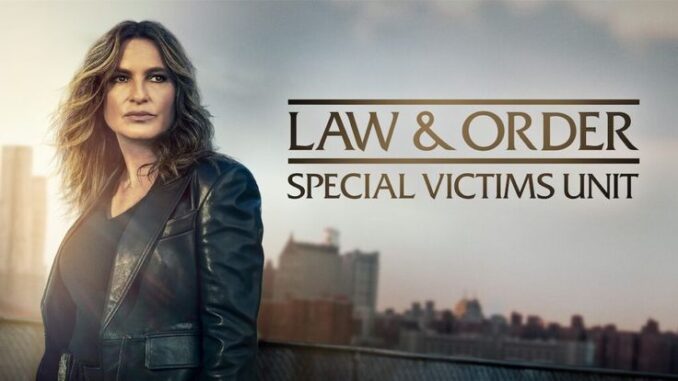
The television landscape is constantly evolving, but few cancellations hit fans as hard as the end of a beloved crime drama. The recent news that Law & Order: Organized Crime has been canceled after five seasons has sparked widespread discussion among viewers, critics, and industry insiders alike.
In this in-depth article, we’ll break down why the show was canceled, how it performed over the years, what this means for the broader Law & Order universe, and what might be next for key characters—especially Detective Elliot Stabler.
Why Was ‘Law & Order: Organized Crime’ Canceled?
The cancellation of Law & Order: Organized Crime didn’t happen overnight. Like many modern TV decisions, it was the result of multiple factors converging at once.
1. Declining Ratings Over Time
While the show debuted strongly in 2021—thanks in part to the return of Christopher Meloni as Elliot Stabler—its viewership gradually declined. This is a common trend in network television, especially as streaming platforms continue to dominate audience attention.
Even though the show maintained a loyal fan base, it struggled to compete with newer, binge-worthy series that attract younger viewers.
2. High Production Costs
Crime dramas, particularly those involving serialized storytelling and international crime syndicates, are expensive to produce. Organized Crime leaned heavily into cinematic storytelling, with multi-episode arcs and high production value.
While this elevated the show’s quality, it also increased costs—making it harder for the network to justify renewal if ratings weren’t consistently strong.
3. Shift in Network Strategy
NBC has been reevaluating its programming strategy in recent years. There’s been a growing emphasis on streaming-first content via Peacock, NBCUniversal’s streaming platform.
Shows that don’t align with this hybrid model—or don’t perform strongly on streaming—are more likely to be cut, regardless of their legacy.
A Look Back at the Show’s Journey
A Powerful Comeback for Elliot Stabler
When Law & Order: Organized Crime premiered, it marked the long-awaited return of Elliot Stabler, a character who originally appeared in Law & Order: Special Victims Unit.
Fans had waited over a decade to see Stabler back on screen, and his reunion (and unresolved tension) with Olivia Benson became a major draw.
Serialized Storytelling: A Bold Move
Unlike traditional Law & Order shows, which typically follow a case-of-the-week format, Organized Crime took a more serialized approach.
Each season focused on a central criminal organization, allowing for deeper character development and more complex narratives. While this was praised by critics, it also made the show less accessible for casual viewers.
Critical Reception
The show received generally positive reviews, particularly for its darker tone and character-driven storytelling. Critics highlighted Meloni’s performance as a standout, noting his ability to portray a more emotionally complex version of Stabler.
Fan Reactions to the Cancellation
The announcement of the cancellation quickly spread across social media, with fans expressing a mix of disappointment, frustration, and nostalgia.
Many viewers felt that the show still had untapped potential, especially given its evolving storylines and character arcs. Others pointed out that the series had carved out a unique identity within the Law & Order universe.
Some fans are now calling for the show to be revived on streaming platforms—a trend that has become increasingly common in recent years.
What This Means for the ‘Law & Order’ Franchise
The Law & Order franchise remains one of the most enduring brands in television history. Created by Dick Wolf, the franchise has expanded across multiple series and decades.
Still Going Strong
Despite the cancellation of Organized Crime, other entries in the franchise continue to perform well:
- Law & Order
- Law & Order: Special Victims Unit
These shows maintain steady ratings and have strong fan followings, ensuring that the franchise remains relevant.
A Possible Shift Toward Streaming
There’s growing speculation that Organized Crime could find a second life on Peacock. NBCUniversal has already moved several projects to streaming, where serialized storytelling tends to perform better.
What Happens to Elliot Stabler Now?
One of the biggest questions following the cancellation is the fate of Elliot Stabler.
Crossovers Are Still Possible
Given the interconnected nature of the Law & Order universe, Stabler could continue to appear in SVU or other spin-offs. His relationship with Olivia Benson remains one of the most compelling dynamics in the franchise.
A Standalone Return?
There’s also the possibility that the character could return in a different format—perhaps a limited series or a streaming-exclusive project.
Could the Show Be Saved?
In today’s TV landscape, cancellation doesn’t always mean the end.
Streaming Revival Trends
Several shows have been revived after cancellation due to strong fan demand and streaming performance. If Organized Crime continues to attract viewers online, it could be a candidate for revival.
Fan Campaigns Matter
Online petitions and social media campaigns have played a role in bringing shows back in the past. While not guaranteed, fan support can influence network decisions.
The Legacy of ‘Law & Order: Organized Crime’
Even though the show has ended, its impact shouldn’t be underestimated.
A More Cinematic Approach
Organized Crime pushed the boundaries of what a network crime drama could look like. Its serialized storytelling and high production values set a new standard within the franchise.
Character-Driven Storytelling
The show focused heavily on character development, particularly Stabler’s emotional journey. This added depth and complexity that resonated with many viewers.
Final Thoughts
The cancellation of Law & Order: Organized Crime marks the end of a unique chapter in the Law & Order universe. While it may not have achieved the longevity of its sister series, it brought something fresh and ambitious to the table.
For fans, the hope remains that this isn’t truly the end—that Elliot Stabler’s story will continue in some form. And in an era where content can find new life on streaming platforms, that possibility is far from unrealistic.