Why “S.W.A.T.” Maintains Its Appeal Despite Constant Cast Changes
The Show That Refuses to Fade
Let’s be honest—most TV shows struggle when key actors leave. It’s like pulling bricks out of a wall; eventually, things collapse. But S.W.A.T.? It somehow keeps standing tall.
Even with cast changes, exits, and unexpected shakeups, the show continues to pull viewers in. So what’s the secret? Why doesn’t it fall apart like others?
Let’s break it down.
A Strong Core That Never Changes
Hondo: The Heart of the Show
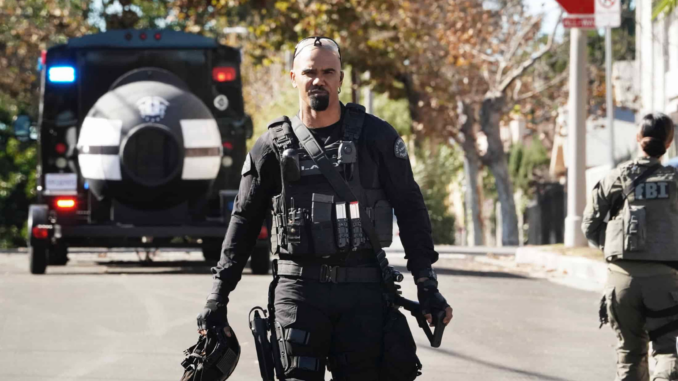
At the center of everything is Shemar Moore as Hondo.
He’s not just a character—he’s the emotional anchor. The leader. The glue.
Why This Matters
No matter who comes or goes, as long as Hondo stays, the show maintains its identity. It’s like a compass—no matter how the map changes, you still know where north is.
A Formula That Just Works
Action + Emotion = Engagement
S.W.A.T. doesn’t rely on just explosions and car chases. It blends action with emotional storytelling.
The Perfect Balance
One moment, you’re watching a high-stakes raid. The next, you’re pulled into personal struggles, moral dilemmas, or team dynamics.
That mix keeps things fresh—even when faces change.
Characters Come and Go—But the Mission Stays
The Real Star Is the Unit
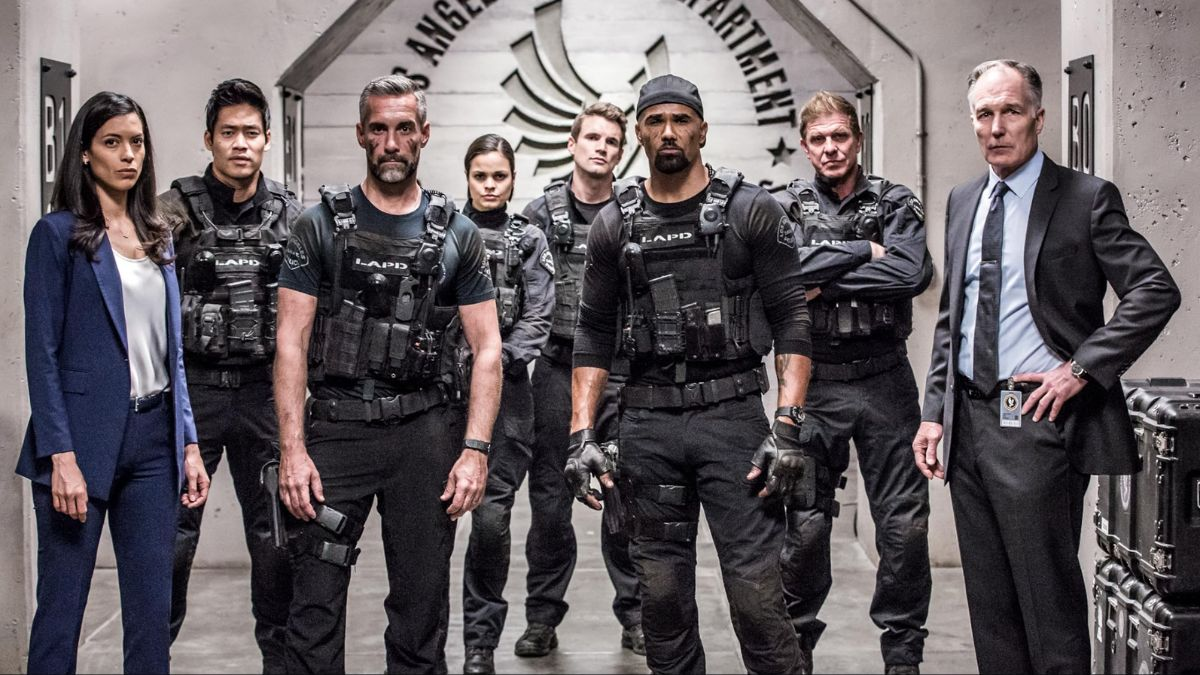
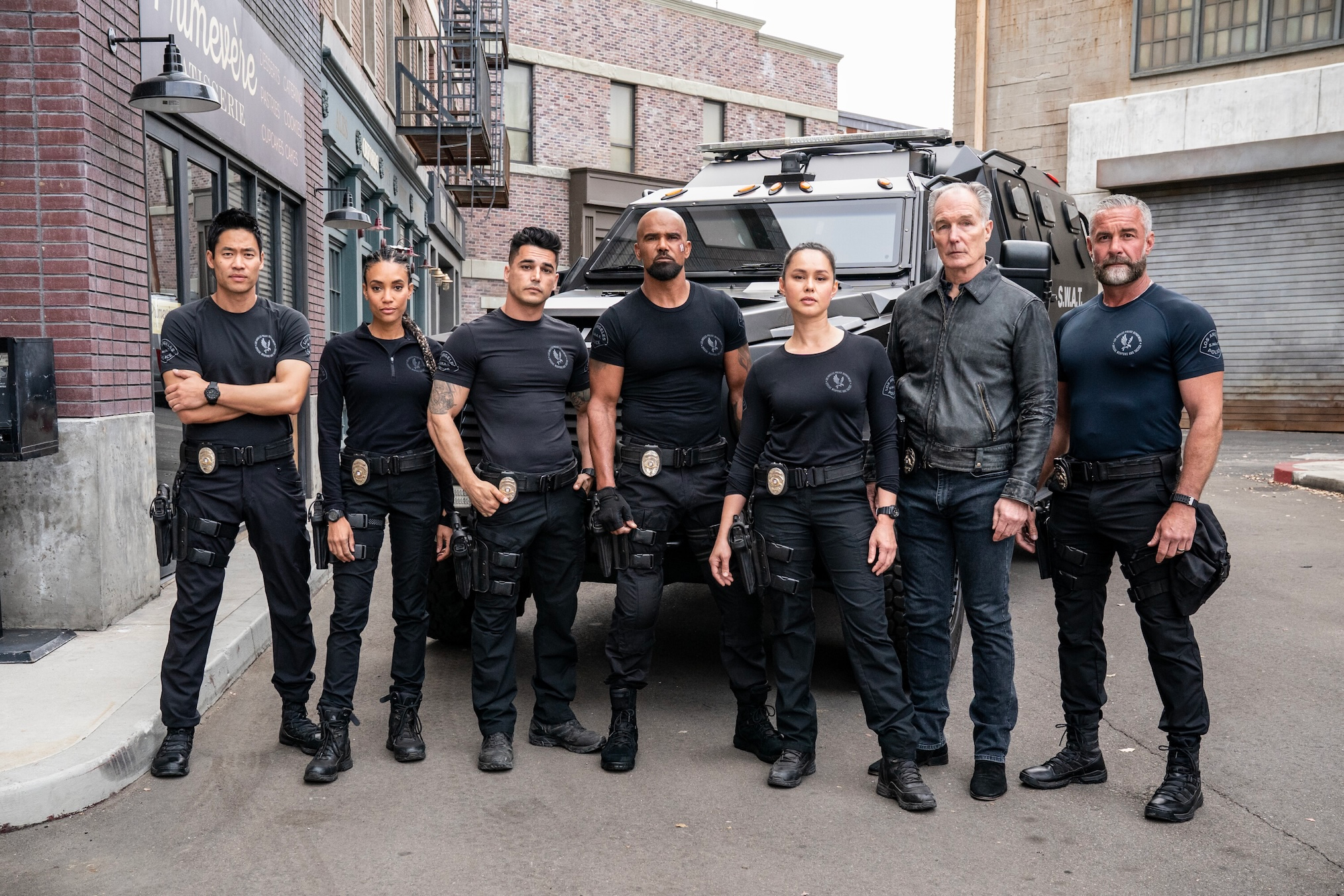
Here’s the twist: the real “main character” isn’t a person—it’s the team.
Why That Works
When a show focuses on a unit rather than individuals, it becomes flexible. New characters can step in without breaking the structure.
Think of it like a sports team. Players change—but the team keeps playing.
Smart Writing That Adapts Quickly
Writers Who Know How to Pivot
When cast members leave, weak shows stumble. Strong shows adapt.
How S.W.A.T. Handles It
The writers don’t ignore changes—they integrate them. New characters aren’t just replacements; they bring new energy and perspectives.
Fresh Faces Keep Things Interesting
New Characters, New Dynamics
Let’s face it—change can be exciting.
Each new addition shifts relationships, creates tension, and opens new storylines.
Why Viewers Stay Hooked
You never fully know what’s coming next. And that unpredictability? It’s addictive.
Consistency in Tone and Style
The DNA of the Show Never Changes
Even when actors leave, the tone of S.W.A.T. remains consistent.
Why That Stability Matters
Viewers don’t just connect to characters—they connect to the feeling of a show. And S.W.A.T. protects that feeling at all costs.
Real-World Relevance Keeps It Grounded
Stories That Reflect Society
From social issues to community tensions, the show doesn’t shy away from reality.
Why This Builds Loyalty
Audiences feel like the show matters. It’s not just entertainment—it’s commentary.
And that keeps people coming back.
Strong Leadership On and Off Screen
Shemar Moore’s Influence
Shemar Moore isn’t just leading on screen—he’s a driving force behind the scenes too.
Why Leadership Matters
A strong leader keeps everything aligned. Even during changes, the vision stays intact.
Emotional Investment Over Time
Fans Grow With the Show
Long-running series build emotional connections.
Why Cast Changes Don’t Break That Bond
Even when characters leave, the memories and emotional investment remain. Fans stay for the journey, not just the individuals.
The Power of Episodic Storytelling
Each Episode Feels Complete
Unlike heavily serialized shows, S.W.A.T. often delivers self-contained stories.
Why This Helps
If a character leaves, it doesn’t derail the entire narrative. The show can continue smoothly.
High Production Value Keeps It Competitive
Action That Feels Real
From tactical scenes to cinematography, the show maintains high quality.
Why This Matters
Even if you don’t care about every character, the spectacle alone keeps you watching.
Diversity and Representation
A Cast That Reflects Reality
The show consistently brings in diverse characters and perspectives.
Why This Expands Its Appeal
More viewers see themselves reflected on screen, making the show relatable to a broader audience.

Fan Loyalty Is Stronger Than Change
Once You’re In, You’re In
Fans who commit to S.W.A.T. tend to stick around.
Why They Don’t Leave
Because the show keeps delivering. It evolves—but doesn’t betray what made people love it in the first place.
Change Becomes Part of the Identity
Instead of Fighting Change, It Embraces It
Some shows try to hide cast changes. S.W.A.T. leans into them.
Why That’s Powerful
Change stops feeling like a disruption—and starts feeling like growth.
A Show That Knows Its Audience
Understanding What Viewers Want
Action. Drama. Heart. Relevance.
How S.W.A.T. Delivers
It never strays too far from what works. Even with new faces, it keeps the core formula intact.
The Psychology of Familiarity and Novelty
Why We Love Both Comfort and Change
Humans crave familiarity—but also excitement.
How the Show Balances Both
S.W.A.T. gives you a stable core with rotating elements. It’s like your favorite meal—with a new twist each time.
Conclusion: Change Isn’t a Weakness—It’s a Strength
At first glance, constant cast changes should weaken a show.
But for S.W.A.T., they do the opposite.
They refresh it. Reinvent it. Keep it alive.
With a strong core, smart writing, and an understanding of what audiences truly want, the show proves something powerful:
It’s not about who stays or leaves.
It’s about what remains.
And what remains? That’s what keeps fans coming back.
FAQs
Why does S.W.A.T. still succeed despite cast changes?
Because it maintains a strong core character, consistent tone, and engaging storytelling.
Is Shemar Moore the key to the show’s stability?
Yes, his role as Hondo provides continuity and emotional grounding.
Do cast changes affect ratings?
They can, but strong writing and loyal fans help maintain viewership.
Why do fans stay even when characters leave?
Because they’re invested in the story, the team, and the overall experience—not just individuals.
Is change part of S.W.A.T.’s success strategy?
In many ways, yes. It keeps the show fresh and unpredictable.