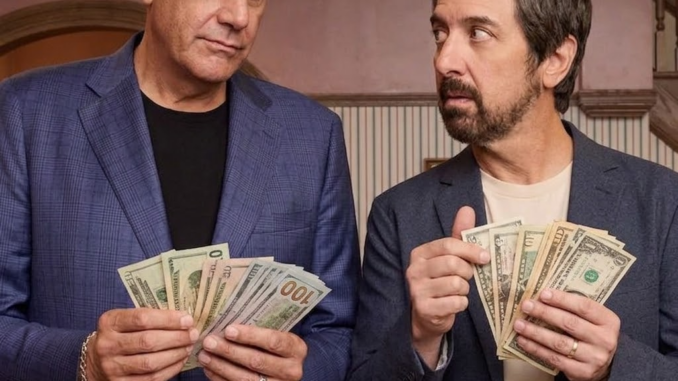
In an entertainment industry where scandals often move faster than careers, Ray Romano stands out as something almost unusual—a famous 90s leading man with remarkably little personal controversy.
No explosive arrests. No headline-grabbing feuds. No endless tabloid chaos.
Instead, the most talked-about “scandals” tied to Romano usually involve professional disagreements behind the scenes of Everybody Loves Raymond. The biggest examples include a well-known salary dispute with co-star Brad Garrett in 2003 and Romano’s own long-running dislike of the show’s title.
That contrast says something powerful about celebrity culture: when a star stays grounded, ordinary workplace tensions can become the biggest headline.
This article explores why Ray Romano is considered scandal-free, what happened during the pay dispute, why sitcom salary battles are common, and how his calm reputation became part of his legacy.
Who Is Ray Romano?
Ray Romano is a comedian, actor, and writer best known for starring in Everybody Loves Raymond, one of the most successful sitcoms of its era.
His style was relatable, understated, and deeply human. He did not play a superhero or glamorous heartthrob. He played an everyday husband trying to survive family chaos.
That authenticity helped audiences trust him.
Why Ray Romano Is Seen as a Rare Clean-Cut Star
Many stars from the 1990s carried some form of public controversy over time.
Romano largely avoided that pattern.
He built a reputation for being:
- Private
- Family-oriented
- Low-drama
- Professionally respected
- Consistent
- Humble
In Hollywood, that can be rarer than fame itself.
The So-Called Scandals Were Mostly Work Disputes
When people discuss “Ray Romano scandals,” they often mean workplace issues rather than personal misconduct.
That distinction matters.
There is a huge difference between:
- Criminal allegations
- Personal controversy
- Toxic public behavior
- Normal contract disputes
- Creative disagreements
Romano’s public record mostly falls into the last category.
The 2003 Salary Dispute Explained
One of the most discussed tensions on Everybody Loves Raymond involved co-star Brad Garrett, who played Robert Barone.
Reports stated Garrett staged a walkout in 2003 over salary disparity. He was reportedly earning far less per episode than Romano, whose compensation had risen dramatically as the star and central creator figure of the show.
This sparked negotiations and media attention.
Why Salary Gaps Happen in Hit Sitcoms
Salary disparity in television is common, especially on successful shows.
Lead stars often earn more because they may hold additional value through:
- Top billing
- Name recognition
- Negotiating leverage
- Writing or producing roles
- Syndication power
- Marketability
Still, co-stars may feel undervalued when a show becomes a major hit.
That tension is understandable.
Why Brad Garrett’s Walkout Mattered
Garrett was not a background extra. He was a central character and a fan favorite.
Robert Barone’s awkward energy, emotional frustration, and comedic timing helped define the show.
When an essential cast member walks off set, it sends a message: recognition matters.
Sometimes money is also about respect.
Did This Mean Romano Was the Villain?
Not necessarily.
Salary structures are usually negotiated between actors, agents, studios, and networks. They are rarely controlled by one star alone.
It is easy for headlines to frame one actor as the winner and another as the victim, but real negotiations are more complex.
This was a business conflict, not a morality play.
How Sitcom Success Changes Everything
When a show becomes a ratings giant, everything changes:
- Budgets increase
- Salaries rise
- Egos can grow
- Pressure intensifies
- Contracts get renegotiated
- Public scrutiny increases
Success is often a blessing wrapped in stress.
The Title Romano Never Loved
Another amusing piece of Romano lore is his reported dislike of the title Everybody Loves Raymond.
Why? Because the title sounded arrogant, even ironic.
Imagine being a modest comedian and starring in a show named as if the world adores you. That mismatch bothered him for years.
It is like wearing a crown you never asked for.
Why the Title Worked Anyway
Despite Romano’s discomfort, the title was memorable.
It suggested comedy, ego, and family resentment all at once. It also fit the show’s premise: people around Raymond often revolved around him while simultaneously driving him crazy.
Great titles sometimes annoy the people inside them.
The Difference Between Public Image and Real Personality
Romano’s discomfort with fame-related optics likely helped preserve his reputation.
He often came across as:
- Self-deprecating
- Awkward in a charming way
- Grounded
- Uninterested in celebrity games
Audiences tend to trust people who do not seem obsessed with attention.
Why No Major Personal Scandals Emerged
Some celebrities generate chaos because of lifestyle choices, ego, or reckless behavior.
Romano’s public life has generally seemed stable and private.
He did not appear to chase controversy. He chased work.
That difference matters.
The Power of Being Boring in Hollywood
In entertainment, “boring” can be a compliment.
Stable relationships, professionalism, and quiet routines rarely trend online—but they build long careers.
Romano’s calm reputation may be less flashy than scandal, but it is far more durable.
How Fans React to Drama-Free Celebrities
Audiences often appreciate celebrities who feel normal.
Romano represented something refreshing:
- A husband and father image
- Realistic humor
- No manufactured persona
- No endless reinvention
He felt like someone you might know, not someone floating above reality.
What the Pay Dispute Really Revealed
The 2003 dispute revealed less about Romano personally and more about Hollywood economics.
It showed how ensembles can become unequal once success explodes.
When everyone helps build the house, arguments often start over who owns the view.
Behind-the-Scenes Tension Is Common
Even beloved sitcoms often experience conflict.
Long hours, repeated scenes, contract pressure, and fame can strain relationships.
A smiling cast photo rarely tells the full story.
That does not mean the workplace was toxic—it means it was human.
Romano’s Career Beyond Raymond
Ray Romano later earned praise for dramatic and comedic work in other projects, proving he was more than one sitcom role.
He evolved steadily rather than chasing loud reinvention.
That slow-burn career path mirrors his public personality.
Why This Story Still Interests People
People are fascinated by stars who avoided scandal because they are increasingly rare.
In a culture built on outrage, steadiness becomes interesting.
Romano’s story asks a simple question: what if success does not require chaos?
Lessons From Ray Romano’s Reputation
1. Privacy Can Protect Legacy
Not every detail must be public.
2. Professional Conflict Is Normal
Disputes do not equal disgrace.
3. Humility Has Long-Term Value
Audiences remember authenticity.
4. Quiet Careers Can Be Powerful
Noise is not the same as impact.
How Media Defines “Scandal” Too Broadly
Sometimes a salary negotiation becomes “drama.” A title complaint becomes “controversy.”
That inflation says more about media appetite than actual misconduct.
Not every disagreement deserves scandal branding.
The Human Side of Success
Even stable stars face pressure.
Romano likely navigated expectations, contracts, ratings demands, and public identity while trying to stay himself.
Success often looks smooth from far away and complicated up close.
Why Ray Romano’s Legacy Feels Different
Many stars are remembered for off-screen chaos. Romano is remembered for work.
That distinction is powerful.
When the gossip fades, craft remains.
Conclusion
Ray Romano has largely avoided the kind of personal scandals that often shadow long-running celebrities. The most notable controversies tied to him center on professional tensions like the 2003 salary dispute on Everybody Loves Raymond and his discomfort with the show’s title.
Far from damaging his reputation, those stories make him seem more human: a successful actor navigating normal workplace pressures without public implosion. In a fame culture addicted to chaos, Ray Romano’s quiet steadiness may be his most remarkable achievement.
FAQs
1. Did Ray Romano have major personal scandals?
No major public personal scandals have defined his career.
2. What was the 2003 dispute about?
It involved reported salary disparity and a walkout by co-star Brad Garrett.
3. Why didn’t Romano like the show title?
He reportedly felt Everybody Loves Raymond sounded arrogant or awkward.
4. Is behind-the-scenes tension unusual on sitcoms?
No. Contract and pay disputes are common in successful television shows.
5. Why is Romano’s reputation notable?
Because he remained successful for decades without major controversy.