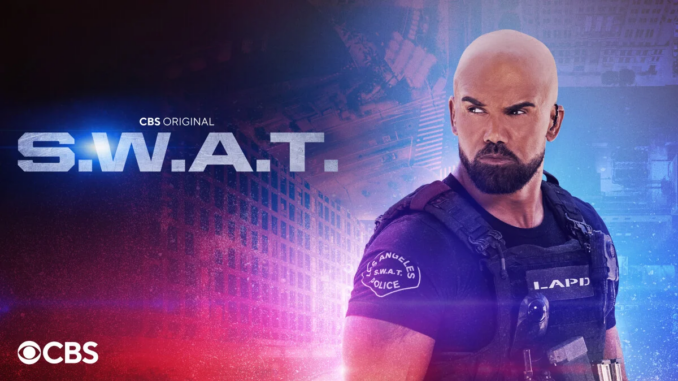
S.W.A.T. and 9-1-1: Why Do Viewers Prefer Watching Special Forces Shooting Rather Than Rescue Missions?
Two Hit Shows, Two Very Different Kinds of Adrenaline
Modern television audiences clearly love high-stakes emergency dramas. Whether it’s tactical police raids or life-saving rescue missions, viewers can’t seem to get enough of intense action mixed with emotional storytelling.
That’s exactly why both S.W.A.T. and 9-1-1 built passionate fanbases over the years.
But here’s the fascinating part.
Even though 9-1-1 delivers emotional rescues, large-scale disasters, and nonstop chaos, many viewers still gravitate more intensely toward the explosive tactical world of S.W.A.T.
Why?
Why do audiences often seem more emotionally excited by heavily armed tactical units storming dangerous situations than firefighters and first responders saving lives?
The answer is surprisingly psychological.
And honestly, it says a lot about modern entertainment culture.
Action Creates Instant Adrenaline
Let’s start with the obvious reason.
Gunfights create immediate tension.
The human brain reacts strongly to danger, unpredictability, loud sound design, fast pacing, and life-or-death confrontation. Tactical action scenes trigger adrenaline almost instantly because they simulate extreme risk.
S.W.A.T. understands this perfectly.
Every mission feels explosive. Doors crash open. Weapons rise. Seconds matter. One wrong move could end everything. That constant pressure creates an addictive viewing experience.
Meanwhile, 9-1-1 often focuses more on emotional tension and rescue suspense rather than direct confrontation.
Both formats work.
But tactical combat naturally creates sharper spikes of excitement.
Viewers Love the Fantasy of Control
Another major reason tactical shows attract audiences is psychological fantasy.
Special forces teams represent control during chaos.
Think about it. In real life, the world often feels unpredictable and messy. People feel powerless against crime, danger, disasters, and uncertainty. Watching elite tactical units handle impossible situations with confidence becomes emotionally satisfying.
It’s almost like watching human chess players dominate chaos itself.
Hondo and his team in S.W.A.T. walk into dangerous environments with strategy, precision, discipline, and authority. Audiences find that deeply compelling because it creates the illusion that somebody can stay calm when everything falls apart.
That fantasy feels comforting.
Gunfights Deliver Faster Emotional Payoff
Rescue missions usually build tension gradually.
A firefighter climbing a collapsing ladder or paramedics saving someone trapped beneath rubble creates suspense through emotional buildup. The payoff often arrives slowly and emotionally.
Gunfights work differently.
They explode immediately.
Tactical action delivers instant emotional release — fear, excitement, triumph, shock — all within seconds. Modern audiences, especially in the streaming era, are heavily conditioned for fast-paced stimulation.
That makes tactical dramas extremely bingeable.
The pacing rarely slows down for long.
S.W.A.T. Feels Like Modern Action Cinema on Television
One reason S.W.A.T. gained such loyal fans is because it often feels cinematic rather than procedural.
The tactical gear.
The camera movement.
The urban warfare atmosphere.
The coordinated breach operations.
The explosive confrontations.
All of it taps into the visual language audiences associate with blockbuster action movies.
Meanwhile, 9-1-1 leans more heavily into emotional disasters, human tragedy, and rescue drama.
That creates a different viewing experience entirely.
One stimulates adrenaline more aggressively.
The other stimulates empathy more consistently.
The “Hero Fantasy” Works Differently
Both shows feature heroes.
But the fantasy surrounding those heroes differs dramatically.
In 9-1-1, heroes save people.
In S.W.A.T., heroes confront danger directly.
That distinction matters psychologically.
Many viewers are drawn toward stories where characters actively hunt threats rather than react to disasters afterward. Tactical teams feel proactive. They move toward danger intentionally.
That creates a stronger sense of dominance and empowerment.
Humans naturally admire competence under pressure, especially in violent or high-risk situations.
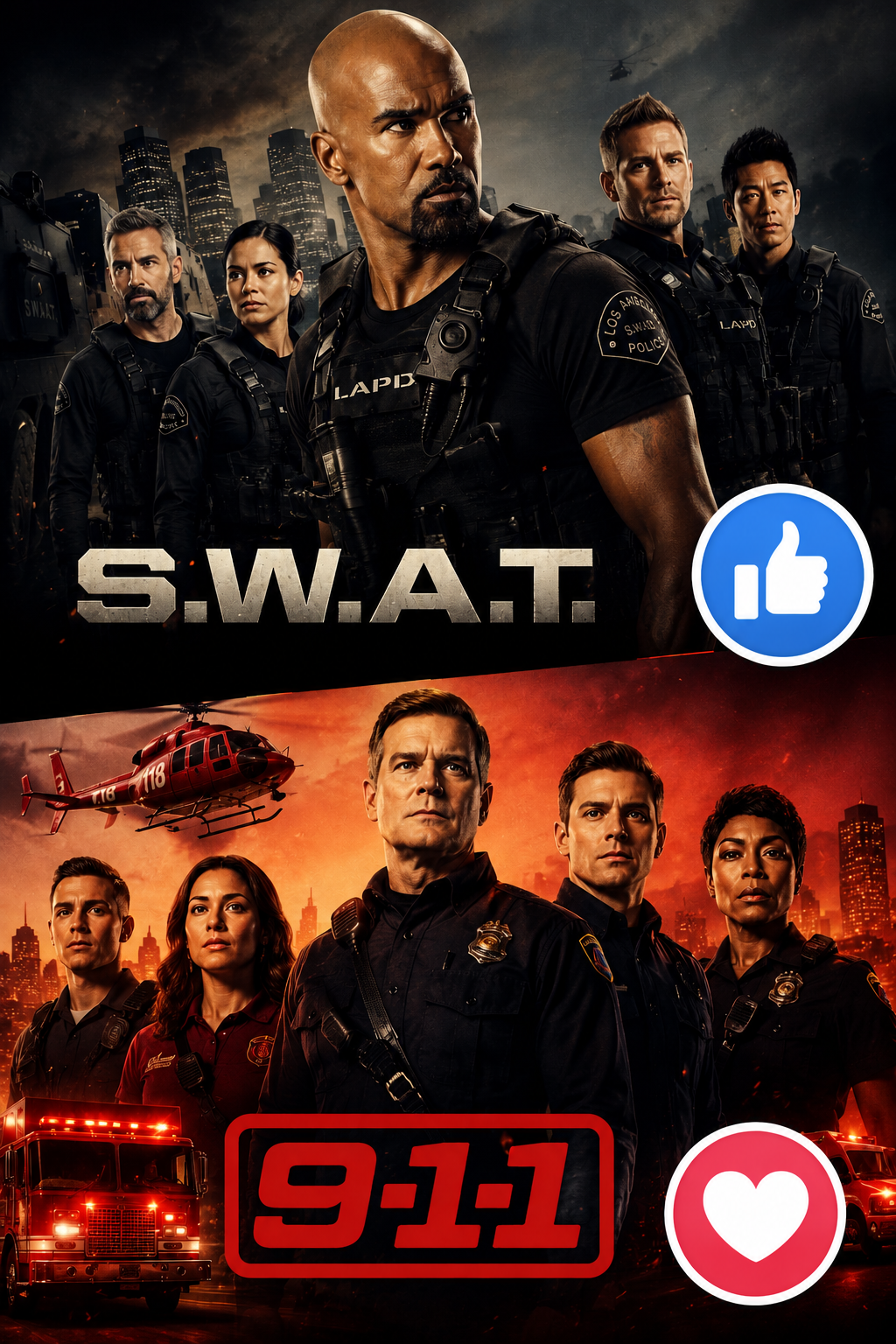
Tactical Teams Feel Mythic
There’s also something almost mythological about elite units.
Special forces characters often feel larger than life — disciplined warriors operating under impossible pressure. They resemble modern knights stepping into battle zones with tactical armor replacing medieval steel.
That imagery carries enormous emotional power in entertainment.
S.W.A.T. constantly reinforces that mythic atmosphere through visuals, teamwork, and mission structure.
By comparison, rescue workers in 9-1-1 feel more grounded and relatable.
Ironically, realism sometimes generates less escapist excitement.
Violence Creates Immediate Stakes
Gunfire instantly communicates danger.
The moment weapons appear on-screen, audiences understand the stakes immediately. Death feels close. Mistakes feel permanent.
That instant tension hooks viewers quickly.
Rescue scenarios can absolutely become emotional and intense, but they often require longer setup to establish urgency. Tactical combat skips that buildup entirely.
One gunshot changes the atmosphere immediately.
Television thrives on tension.
And tactical dramas weaponize tension masterfully.
Masculine Energy Still Dominates Action Television
Another uncomfortable but important factor involves cultural expectations around action entertainment.
Historically, audiences have been conditioned to associate tactical violence with excitement, strength, leadership, and dominance. Special forces stories often emphasize aggression, strategy, physicality, and confrontation — traits traditionally glamorized in mainstream action media.
That doesn’t mean rescue stories lack excitement.
But combat-oriented storytelling has decades of cinematic conditioning behind it.
Audiences subconsciously recognize the formula instantly.
9-1-1 Wins Emotionally in Different Ways
Here’s the important thing though:
9-1-1 succeeds because it taps into different emotional needs entirely.
Instead of power fantasy, it emphasizes compassion.
Instead of tactical dominance, it focuses on emotional vulnerability.
The series explores grief, fear, love, trauma, survival, and humanity during catastrophic moments. Viewers connect emotionally because the rescues feel personal and relatable.
In many ways, 9-1-1 delivers more emotional warmth than S.W.A.T.
It just doesn’t create the same adrenaline spikes as armed tactical confrontations.
S.W.A.T. Makes Teamwork Feel Electrifying
Team chemistry plays a huge role too.
Watching a tactical unit operate with precision feels satisfying in the same way sports fans enjoy perfectly coordinated teams. Every movement feels purposeful. Every member has a role.
That coordination creates momentum.
Audiences enjoy watching highly trained people execute dangerous operations flawlessly under pressure. It feels almost musical — like controlled chaos transformed into strategy.
That spectacle becomes addictive over time.
Modern Audiences Crave Escapism
Life today feels stressful for many people.
Economic pressure.
Social tension.
Information overload.
Constant anxiety.
Under those conditions, viewers often seek entertainment that feels powerful and immersive rather than emotionally exhausting. Tactical action provides escapism through intensity.
For one hour, audiences can disappear into controlled danger where heroes still seem capable of fixing impossible situations.
That fantasy carries enormous emotional appeal.
Rescue Missions Hit Closer to Reality
Ironically, rescue-based shows sometimes feel emotionally heavier because they resemble real-life tragedy more directly.
A family trapped during a disaster or someone losing a loved one during an emergency can feel painfully relatable. That realism creates emotional impact — but also emotional exhaustion.
Tactical combat creates more psychological distance.
Most viewers will never participate in armed SWAT operations. That separation allows audiences to enjoy the adrenaline without feeling emotionally overwhelmed as often.
Streaming Culture Changed Audience Expectations
Modern streaming culture also influences viewer preferences heavily.
Fast-paced action generates stronger binge momentum. Cliffhangers, shootouts, tactical missions, and high-intensity danger encourage “just one more episode” behavior.
S.W.A.T. benefits enormously from that structure.
Episodes move quickly.
Danger escalates rapidly.
Conflict rarely stays quiet for long.
That rhythm fits modern viewing habits perfectly.
The Emotional Core Still Matters Most
Despite all the tactical excitement, audiences wouldn’t stay loyal to S.W.A.T. without emotional depth.
Action attracts viewers initially.
Human connection keeps them watching.
Hondo’s leadership struggles, Street’s emotional growth, Deacon’s family conflicts, and the team’s bond transform the show into something more than gunfire and explosions.
That emotional layer separates memorable action dramas from forgettable ones.
The same principle applies to 9-1-1.
Without emotional storytelling, rescue missions alone wouldn’t sustain audience loyalty either.
Why Fans Continue Debating S.W.A.T. vs 9-1-1
The debate between S.W.A.T. and 9-1-1 ultimately reflects different emotional desires.
Some viewers crave adrenaline, tactical intensity, and controlled chaos.
Others crave empathy, emotional catharsis, and human vulnerability.
Neither preference is wrong.
They simply satisfy different psychological experiences.
And honestly, many fans enjoy both shows for entirely different reasons.
Conclusion
The reason many viewers gravitate toward S.W.A.T. over 9-1-1 often comes down to adrenaline, fantasy, pacing, and emotional psychology.
Tactical action creates immediate excitement. Elite teams represent control during chaos. Gunfights deliver fast emotional payoff. The cinematic intensity feels immersive and addictive.
Meanwhile, 9-1-1 offers something equally valuable but emotionally different: compassion, vulnerability, rescue, and emotional realism.
One feeds adrenaline.
The other feeds empathy.
And together, they reveal something fascinating about modern audiences — people don’t just watch television for entertainment anymore.
They watch to feel something powerful.
FAQs
Why is S.W.A.T. considered more exciting than 9-1-1 by some viewers?
Many viewers find tactical combat, gunfights, and elite operations more adrenaline-filled and fast-paced than rescue-focused storytelling.
Does 9-1-1 focus more on emotional storytelling?
Yes. 9-1-1 often emphasizes emotional vulnerability, human tragedy, relationships, and compassionate rescue missions.
Why do tactical action shows attract loyal fans?
They combine high tension, teamwork, competence, cinematic visuals, and empowerment fantasies that create addictive entertainment experiences.
Is S.W.A.T. more action-heavy than 9-1-1?
Generally, yes. S.W.A.T. focuses more heavily on armed tactical missions and direct confrontations.
Can viewers enjoy both shows equally?
Absolutely. Many fans enjoy S.W.A.T. for adrenaline and action while appreciating 9-1-1 for emotional depth and rescue-based drama.