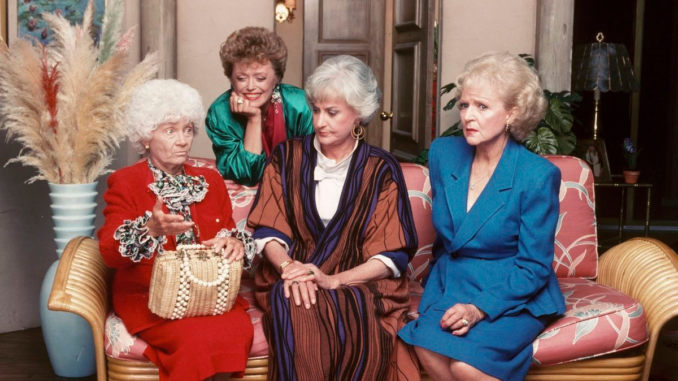
10 Episodes of The Golden Girls That Accurately Predicted Modern Social Issues
Why This Classic Sitcom Still Feels So Relevant
Many sitcoms make people laugh for a few years and then fade into nostalgia. The Golden Girls did something rarer. It entertained audiences while tackling topics that still dominate headlines today.
That is why the series remains timeless.
Beneath the jokes, cheesecake, and sharp one-liners was a fearless show willing to discuss aging, healthcare, equality, loneliness, identity, money pressure, and social stigma. Decades later, many of those same issues remain central to modern life.
In some ways, the show did not just reflect society—it predicted where society was heading.
How a Sitcom Became Social Commentary
At first glance, The Golden Girls looked like a warm comedy about four older women sharing a home. But that setup gave writers something powerful: perspective.
The characters were older, outspoken, experienced, and less interested in pretending. That meant the show could address uncomfortable truths with honesty and humor.
Instead of lecturing viewers, it used conversation.
That is why the messages landed so well.
1. Ageism in the Workplace
One memorable recurring theme involved older women being dismissed, underestimated, or ignored because of age.
Today, ageism remains a major issue in hiring, media, beauty culture, and career advancement. Many people still feel pushed aside once they reach a certain age.
The show challenged that mindset early by proving older women were dynamic, desirable, intelligent, and fully alive.
That message still matters.
2. Healthcare Anxiety and Cost
Several episodes touched on health scares, doctor visits, and fears tied to aging bodies.
Modern audiences understand this deeply. Healthcare affordability, access, preventive care, and emotional stress around illness remain huge concerns.
The show recognized something timeless: health issues are not only medical—they are emotional, financial, and social too.
3. LGBTQ+ Acceptance
For its era, The Golden Girls handled LGBTQ+ themes with surprising empathy. It featured storylines involving gay friends, prejudice, and the need for acceptance.
Today, conversations about inclusion, rights, identity, and equality remain central worldwide.
The series helped humanize these discussions long before many mainstream comedies were willing to try.
4. Women Rebuilding Life After Divorce
All four main characters were older women navigating life after marriage, widowhood, or major relationship changes.
That predicted today’s growing conversation around reinvention after divorce or loss. More people now openly discuss second chapters, healing, dating later in life, and starting over.
The show said something bold:
Life does not end when one chapter closes.
5. Mental Health and Loneliness
Behind the laughter, many episodes dealt with isolation, grief, insecurity, and fear of being alone.
Those themes feel even more urgent today as loneliness has become a widespread social issue across age groups.
The series understood that companionship is not a luxury. It is emotional survival.
Friendship in the show was not cute background noise—it was medicine.
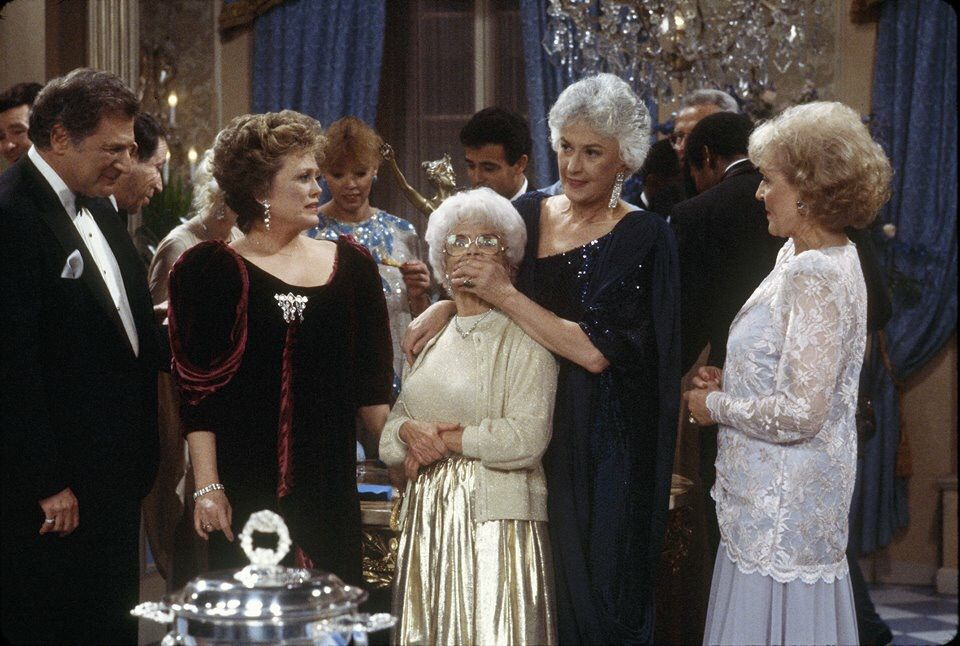
Why Friendship Was a Radical Theme
Modern culture often celebrates romance as the ultimate relationship. The Golden Girls pushed back.
It argued that friendship can be just as life-changing, stabilizing, and intimate.
That idea feels increasingly modern now.
6. Housing Costs and Shared Living
Four adults sharing a home once looked like a comedic premise. Today, it looks practical.
With rising housing costs, multigenerational living, roommates later in life, and shared expenses becoming common, the show feels unexpectedly current.
What once seemed quirky now feels financially realistic.
Sometimes comedy ages into economics.
7. Women Owning Their Sexuality
Blanche especially challenged stereotypes around female desire, confidence, and dating later in life.
Modern culture still debates double standards surrounding women’s sexuality, aging, attractiveness, and freedom.
The show confronted those judgments decades early by letting older women be flirtatious, bold, and unapologetic.
That was groundbreaking then—and refreshing now.
8. Immigration and Cultural Identity
Some episodes explored heritage, identity, stereotypes, and cultural misunderstanding.
Those issues remain highly relevant in today’s globalized world, where migration, belonging, and representation continue shaping politics and personal identity.
The show often reminded viewers that humor can expose prejudice faster than arguments can.
9. Financial Insecurity in Later Life
Money stress was not ignored in the series. Characters worried about bills, jobs, retirement, and stability.
Today, retirement insecurity, inflation pressure, and financial anxiety are massive concerns.
The show rejected the myth that older adults automatically live in comfort. Many still work, struggle, and worry.
That realism was ahead of its time.
10. Caregiving and Family Responsibility
Episodes involving parents, adult children, illness, and obligation predicted modern caregiving pressures.
Today many adults care for aging parents while managing careers, children, and finances. It is emotionally exhausting and widely relatable.
The show captured that strain with both compassion and humor.
Why These Predictions Still Hit Hard
Because the writers focused on human truths rather than trends.
They did not chase headlines. They explored:
- Fear of being irrelevant
- Need for belonging
- Search for dignity
- Pressure of money
- Desire for love
- Value of chosen family
Those truths never expire.
The Power of Humor in Hard Conversations
Many modern shows address serious topics through darkness or heavy drama. The Golden Girls used humor instead.
That approach lowered defenses.
People laugh first, then realize they are thinking deeply.
Comedy can be a spoonful of sugar that helps difficult truths go down.
Why Younger Audiences Still Discover the Show
Younger viewers often arrive expecting an old sitcom and leave surprised by how current it feels.
They recognize issues like:
- Dating fatigue
- Rent pressure
- Identity politics
- Family complexity
- Anxiety about the future
- Need for community
The hairstyles may be vintage. The themes are not.
How the Characters Represented Different Worldviews
Part of the genius was balance.
Dorothy
Skeptical realism and intellect.
Rose
Optimism and emotional innocence.
Blanche
Confidence, vanity, and desire.
Sophia
Hard-earned wisdom and brutal honesty.
Together, they mirrored the arguments society still has today.
What Modern TV Can Learn
Current series often chase shock value. This show proved something stronger:
You can be funny, warm, and socially sharp at the same time.
Lessons modern writers can learn:
- Let characters debate honestly
- Use humor to soften tension
- Trust audiences with nuance
- Show empathy without preaching
- Make people laugh and think together
The Real Legacy of The Golden Girls
Its greatest achievement was not ratings or nostalgia.
It normalized conversations many people avoided.
It made aging visible. It made friendship heroic. It made vulnerability funny instead of shameful.
That is cultural power.
Why “Predicting the Future” Is the Wrong Phrase
In truth, the show did not magically predict modern issues.
It recognized enduring problems early—and treated them seriously when others would not.
That may be even more impressive.
Conclusion
The Golden Girls remains one of television’s smartest comedies because it saw people clearly. Through jokes, cheesecake, and unforgettable chemistry, it explored ageism, money worries, loneliness, equality, caregiving, and identity long before those conversations became mainstream.
These 10 episodes did not just entertain viewers. They prepared them.
And that is why the show still feels alive today.
5 FAQs
1. Was The Golden Girls really progressive for its time?
Yes. It often addressed social issues that many sitcoms avoided during that era.
2. Why does the show still connect with younger viewers?
Its themes—friendship, money stress, identity, and belonging—remain highly relevant.
3. Did The Golden Girls discuss LGBTQ+ topics?
Yes, several episodes approached acceptance and prejudice with empathy.
4. Why is friendship so important in the series?
The show treated friendship as essential emotional support, not secondary to romance.
5. Is The Golden Girls still worth watching today?
Absolutely. It remains funny, heartfelt, and surprisingly modern.