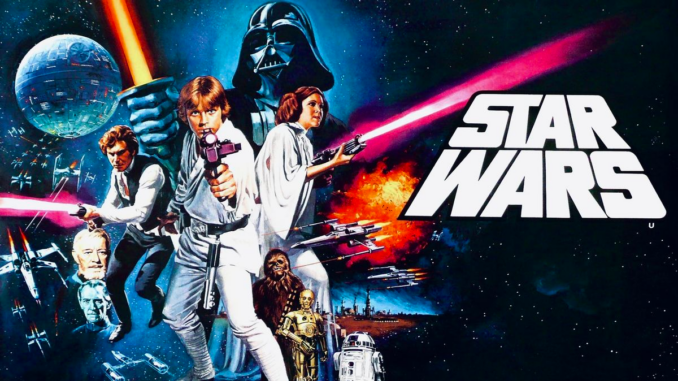
What Made Star Wars the Greatest Cinematic Universe in History?
Introduction — A Galaxy That Became Real
Star Wars isn’t just a movie franchise. It feels like a parallel universe that somehow leaked into real life. Since its first appearance in 1977, it has shaped cinema, storytelling, fandom culture, and even how people think about heroes and villains.
But what actually made it so powerful? Why did Star Wars succeed where so many other franchises fade away? The answer is layered, emotional, and surprisingly human.
A Small Idea That Became a Global Explosion
When George Lucas first imagined Star Wars, it didn’t sound like a guaranteed success. Studios were skeptical. Sci-fi wasn’t considered mainstream entertainment at the time, and space operas felt outdated.
But Lucas had something most filmmakers didn’t: a clear vision of a modern myth.
When the movie finally released, nobody expected it to reshape Hollywood. Yet it didn’t just succeed—it detonated. Lines wrapped around theaters, audiences returned multiple times, and suddenly a film became a movement.
Storytelling Built on Ancient Myth
One of the biggest reasons Star Wars works so well is because it doesn’t feel new—it feels familiar in the deepest way.
At its core, the story follows a simple but powerful structure: a young hero pulled from ordinary life into an extraordinary destiny. This kind of narrative exists in myths across cultures, from ancient legends to modern folklore.
Luke Skywalker’s journey isn’t just about space battles. It’s about growth, doubt, failure, and belief. That emotional arc is what makes audiences connect instantly, even if they’ve never seen a lightsaber before.
The Eternal Battle of Light and Darkness
Star Wars thrives on contrast. Light versus dark. Hope versus fear. Freedom versus control.
The Jedi and the Sith are not just factions—they are ideas. The Force itself represents balance, suggesting that power without control leads to destruction, while discipline without emotion becomes emptiness.
This philosophical layer gives the franchise depth beyond action scenes. It turns entertainment into something almost reflective.
Characters That Feel Like Real People
Star Wars didn’t become legendary because of spaceships. It became legendary because of its characters.
Luke Skywalker feels relatable because he is imperfect. He doubts himself constantly, makes mistakes, and grows through experience rather than instant talent.
Darth Vader, on the other hand, is one of the most emotionally complex villains ever created. He is terrifying, but also tragic. Behind the mask is a broken human story, which makes him unforgettable.
Princess Leia broke stereotypes long before it became common in cinema. She wasn’t just a supporting character—she was a leader who shaped the entire rebellion.
Han Solo added something different entirely: charm, humor, and rebellion. He wasn’t trying to be a hero, which ironically made him one.
A Universe That Feels Endless
One of Star Wars’ greatest strengths is its world-building. It doesn’t feel like a set of movies—it feels like a living galaxy.
Every planet has its own identity. Every species has history. Every corner of the universe feels like it continues even when the camera isn’t looking.
The Force adds another layer of depth. It isn’t just magic—it’s philosophy wrapped in energy. It suggests that everything is connected, and that choices shape destiny.
Revolutionary Visual Effects That Changed Film Forever
Before Star Wars, special effects were limited and often unconvincing. After Star Wars, everything changed.
The creation of Industrial Light & Magic allowed filmmakers to push beyond traditional limits. Suddenly, space battles, alien worlds, and futuristic cities could feel real.
What made it even more impressive was the use of practical effects. Miniatures, models, and physical sets gave the universe a tangible quality that even modern CGI sometimes struggles to replicate.
Music That Became Legendary on Its Own
The soundtrack of Star Wars is not background noise. It is storytelling.
John Williams created themes that instantly trigger emotion. The Imperial March alone communicates power and fear before a single word is spoken.
Music in Star Wars doesn’t support the story—it becomes part of it. That emotional connection is one of the reasons scenes stay in memory for decades.
A Franchise That Expanded Beyond Cinema
Star Wars didn’t stay in theaters. It expanded into books, television, comics, and video games, building one of the richest expanded universes in entertainment history.
Fans could explore new characters, hidden timelines, and untold stories. This expansion turned casual viewers into long-term followers who actively lived inside the universe.
The Rise of a Global Fan Culture
Star Wars didn’t just create audiences. It created communities.
Fans dressed as characters, debated theories, attended conventions, and built entire identities around the franchise. This level of engagement is rare in entertainment.
It became more than watching a story. It became participating in one.
Merchandising That Redefined Hollywood Business
Star Wars also changed how movies make money. Merchandise became a massive industry on its own.
Action figures, toys, clothing, and collectibles turned the franchise into a commercial empire. Many studios later copied this model, but Star Wars was the pioneer.
Cultural Influence That Spans Generations
Few franchises have phrases that enter everyday language. Star Wars did.
Lines like “May the Force be with you” are used far beyond the movies. They became symbols of encouragement and connection.
Its influence can also be seen in countless modern films, from storytelling structure to character design. Many blockbusters today still follow patterns Star Wars established decades ago.
Constant Evolution Keeps It Alive
One reason Star Wars has survived so long is its ability to evolve. New trilogies, spin-offs, and series continuously refresh the universe for new audiences.
Even when opinions differ, engagement remains high. Debate itself keeps the franchise relevant.
Emotional Connection That Never Fades
At its heart, Star Wars succeeds because it makes people feel something.
It is not just about space wars or futuristic technology. It is about hope in dark times, courage in fear, and belief in something bigger than oneself.
That emotional core is what keeps audiences coming back again and again.
Conclusion — Why Star Wars Stands Above Everything Else
Star Wars became the greatest cinematic universe not because of one factor, but because everything aligned perfectly: storytelling rooted in myth, unforgettable characters, groundbreaking technology, powerful music, and a fan culture unlike anything before it.
It is not just a franchise. It is a shared memory across generations. A universe that feels both fictional and strangely real.
And that is why, decades later, it still dominates the conversation.
FAQs
Why is Star Wars considered so influential in cinema?
Because it redefined storytelling, visual effects, and franchise building on a global scale.
Who created Star Wars?
George Lucas is the original creator of the Star Wars universe.
What makes Darth Vader such a powerful character?
His combination of fear, tragedy, and redemption makes him emotionally complex and iconic.
Is Star Wars still popular today?
Yes, it continues to grow through films, series, books, and games.
What is the main message of Star Wars?
The importance of balance, hope, and choosing light over darkness.